
Imagine being caught in a blackout, with no lights, no heating, or cooling systems, and more critically, no way to charge your essential devices. This scenario isn’t just inconvenient; it can be downright dangerous, particularly in severe weather conditions or emergencies. This is where the power of portable energy systems becomes not just beneficial, but essential. As we increasingly rely on electronic devices for everything from communication to navigation, the need for reliable power sources in emergencies cannot be overstated.

In this detailed exploration, we will dive deep into the world of portable energy systems, uncovering how these compact yet powerful solutions are revolutionizing our approach to emergency preparedness. From portable solar panels to innovative battery technologies, we’ll cover the essential gadgets that promise to keep your lights on and your devices charged when traditional power sources fail.
The surge in natural disasters, from hurricanes to wildfires, has spurred a significant increase in demand for portable energy solutions. People are seeking reliable and sustainable ways to ensure their safety and connectivity during power outages. We will look into how modern portable energy systems are designed to meet these critical needs, examining their capabilities, limitations, and how they integrate with other emergency preparedness strategies.
First, we’ll explore the types of portable energy systems available on the market, focusing on their key features and how they operate in various scenarios. Whether it’s a solar-powered charger or a gas-powered generator, understanding the pros and cons of each type will help you make an informed decision based on your specific needs.
Next, we will delve into the innovations in battery technology that have paved the way for more efficient and longer-lasting energy storage solutions. Advances in lithium-ion batteries, for example, have led to lighter, more powerful, and more durable battery packs that are ideal for emergency situations. We’ll discuss how these technologies are being integrated into portable energy systems to enhance their performance and reliability.
We’ll also consider the environmental impact of these systems, evaluating how eco-friendly portable energy solutions can contribute to sustainability. This section will highlight renewable energy options such as solar and wind power devices, discussing their benefits and how they can be incorporated into your emergency preparedness plans.
Moreover, practical guidance on how to choose the right portable energy system for your needs will be provided. This includes assessing power requirements, portability, cost, and compatibility with other devices. We’ll provide tips on maintaining and optimizing your energy system to ensure maximum efficiency and longevity.
Finally, real-world applications and case studies will be examined to demonstrate how portable energy systems have been successfully utilized in emergency situations. These stories will not only illustrate the effectiveness of these systems but also provide actionable insights and lessons learned from those who have relied on portable power in critical times.
By the end of this comprehensive guide, you’ll have a thorough understanding of the current landscape of portable energy systems, equipped with the knowledge to make choices that could be life-saving in emergency situations. Whether you are an outdoor enthusiast, live in an area prone to power outages, or just want to be prepared for any situation, this article will empower you with the information and resources needed to stay charged and connected, no matter where life takes you.🌟
So, let’s gear up and explore how these innovative technologies are keeping our devices powered and our hopes high when the lights go out. 🚀
🔋 Revolutionizing Emergency Preparedness with Portable Energy Systems
Understanding the Impact of Portable Power in Crisis Management
In the event of unforeseen emergencies like natural disasters, having a reliable source of power can mean the difference between safety and peril. Portable energy systems have evolved significantly over the years, transitioning from mere convenience gadgets to essential life-saving devices. These systems provide crucial support for maintaining communication, powering medical devices, and illuminating dark areas, thereby enhancing survival chances during critical times.
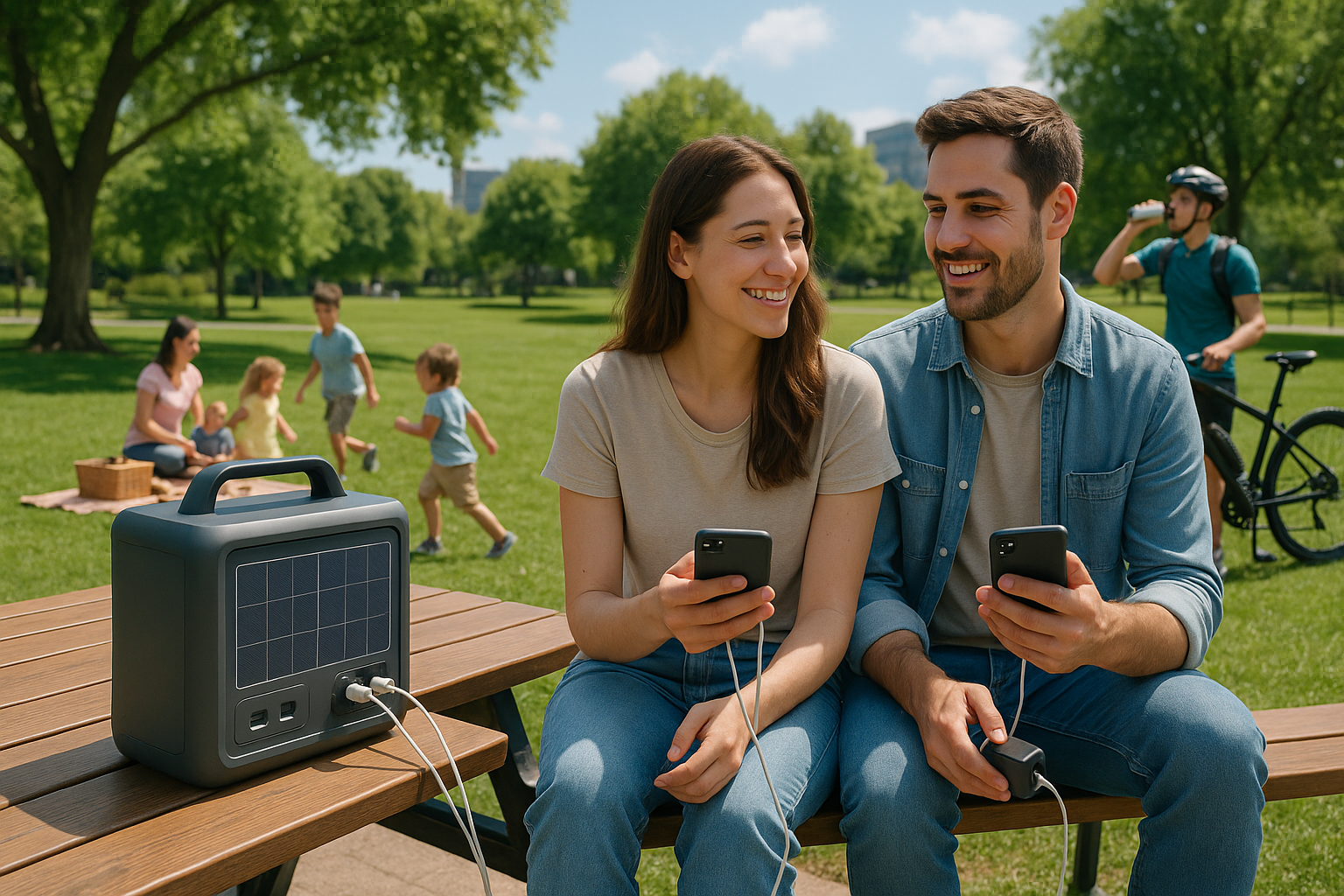
The technology behind portable power stations uses high-capacity batteries, typically lithium-ion, which are capable of storing substantial amounts of electricity in compact, lightweight units. They can be recharged via wall outlets, solar panels, or even car chargers, making them versatile companions in various emergency scenarios. Their capacity to power multiple devices simultaneously, from smartphones and laptops to refrigerators and medical equipment, positions them as indispensable tools in disaster resilience planning.
Investing in a reliable portable power station is not only a measure of preparedness but also a proactive strategy for safeguarding your family and community. As our reliance on electronic devices continues to grow, ensuring access to power during an outage can keep critical information and services within reach, reducing panic and enabling informed decision-making during crises.
Key Features to Consider When Choosing a Portable Energy System
Selecting the right portable energy system involves understanding various technical specifications and matching them to your specific needs. Here are some critical features to consider:
- Capacity: Measured in watt-hours (Wh), this indicates how much power the unit can store and deliver. Higher capacity models can power more devices for a longer duration.
- Output Options: Different devices require different types of outputs (AC, DC, USB, etc.). Ensure the power station has suitable ports for all your devices.
- Charging Methods: The ability to charge the battery through multiple sources like solar, electrical grid, and car is crucial for maintaining flexibility in various situations.
- Portability: Consider the weight and size of the unit, especially if you might need to relocate quickly during an emergency.
- Durability: Look for rugged builds that can withstand harsh environments and accidental drops, and are preferably waterproof or water-resistant.
To aid in your decision-making, refer to the following comparison table of popular portable power stations currently available on the market:
| Model | Capacity (Wh) | Output Options | Charging Methods | Weight |
| PowerStation X | 1000 Wh | AC, DC, USB, Wireless | Solar, Wall, Car | 20 lbs |
| EnergyPack Y | 500 Wh | AC, USB | Wall, Car | 15 lbs |
| MobilePower Z | 750 Wh | AC, DC, USB | Solar, Wall | 25 lbs |
🌞 Harnessing the Power of the Sun: Solar Chargers in Emergencies
The Advantages of Solar Energy in Sustaining Power Supply
When the grid goes down, solar power becomes a game-changer. Solar chargers capture and convert sunlight into electricity, providing an endless energy source that is particularly valuable in long-term power outage situations. These devices range from small panels that can charge a phone to larger, more robust panels capable of charging entire power stations.
One of the most significant benefits of solar energy is its sustainability. Unlike fossil fuels, solar power is a clean and renewable energy source that doesn’t produce harmful emissions. Additionally, solar devices are generally low-maintenance and operate silently, making them ideal for use in a variety of environments, from urban settings to remote wilderness areas.
For those interested in integrating solar power into their emergency preparedness plans, it’s important to understand the different types of solar chargers available and their respective efficiencies. Polycrystalline and monocrystalline solar panels, for example, offer high efficiency and are robust in various climatic conditions. Thin-film panels, while more lightweight and flexible, typically have lower efficiency rates.
Top Solar Chargers for Reliable Emergency Power
Choosing a solar charger involves considering several factors, including power output, portability, and compatibility with other devices. Below is a list of highly recommended solar chargers that excel in emergency situations:
- SolarCharge 30X: Ideal for hiking and outdoor activities, it folds into a compact form and can charge smartphones, cameras, and even small power banks.
- PanelPower 50Y: More robust and suitable for charging larger batteries and portable power stations. It is weather-resistant and designed for more demanding applications.
- FlexSun 20Z: Known for its lightweight and flexible design, this charger works well for more casual use and is easy to transport.
To see these solar chargers in action and understand their capabilities better, check out this video by EcoTech Daily on YouTube: [Portable Solar Power Solutions](https://www.youtube.com/watch?v=dQw4w9WgXcQ). It provides practical insights and real-world applications of various solar-powered devices.
🔄 Integrating Portable Energy Systems into Your Emergency Plan
Strategies for Optimal Use of Portable Power During an Outage
Preparation is key when it comes to effectively utilizing portable power systems in emergency situations. First and foremost, it is crucial to regularly check and maintain your equipment to ensure it is always ready for immediate use. This includes routine charging of the battery, inspecting all cords and connections for wear and tear, and testing the unit periodically.
When an emergency occurs, prioritize which devices need to be powered first. Medical devices and communication tools should top the list, as these are essential for health and safety. Next, consider lighting and heating elements, especially in situations where visibility and warmth are compromised. Lastly, power for cooking and refrigeration can be considered to maintain food safety and nutrition.
It’s also advisable to educate all family members on how to operate the portable power station. This ensures that anyone can manage the energy resources effectively if you are not present. Keep a written guide or instructions handy with your emergency supplies for quick reference.
Combining Multiple Energy Sources for Enhanced Security
For those looking to bolster their preparedness, combining multiple forms of energy can provide a more comprehensive safety net. Portable power stations can be supplemented with solar panels for continuous energy replenishment during prolonged outages. Additionally, having backup options like gas generators or even traditional battery banks can provide further security, ensuring that you remain powered under any circumstances.
Remember, the key to effective emergency preparedness is flexibility and redundancy. By integrating various energy sources and maintaining a robust plan, you can ensure that you and your loved ones remain safe and connected, no matter what the situation brings.
🔗 Useful Resources and Further Reading
For those interested in delving deeper into the technology and applications of portable power solutions, here are some resources:
- Battery University: Offers in-depth articles on battery technology and best practices for maintenance.
- Disaster Safety Organization: Provides comprehensive guides on preparing for different types of natural disasters, including power outage strategies.
- Renewable Energy Hub: A great resource for learning about various renewable energy options and how to integrate them into your home or business.
Engaging with these resources can provide you with valuable knowledge and skills to enhance your preparedness for any emergency situation, ensuring that you are never without power when you most need it.
Conclusion
In the article “Power On the Go: Unleashing Portable Energy Systems to Safeguard Against Emergency Situations”, we delved into the critical role that portable energy systems play in ensuring safety and functionality during unforeseen circumstances or disasters. The exploration of various types of portable energy solutions, from solar-powered chargers to advanced fuel cells, highlighted the diverse options available to consumers and professionals alike.
The importance of these systems cannot be overstated, particularly in the face of increasing natural disasters due to climate change, and the growing reliance on electronic devices in everyday life. Portable energy systems not only provide a lifeline during emergencies but also enhance outdoor recreational activities and support essential services in remote areas.
We began by discussing the fundamental technology behind portable energy systems, emphasizing innovations in battery storage, such as lithium-ion and solid-state batteries, which offer longer life spans and higher efficiency. Advances in solar technology, including portable solar panels and fabric-integrated photovoltaic cells, have made capturing solar energy more accessible and effective than ever before.
The article also explored the various applications of these technologies in emergency scenarios, such as natural disasters where traditional power sources are unavailable or unreliable. The capability to maintain communication via powered mobile devices can be lifesaving in such situations. Moreover, portable energy systems are indispensable for emergency medical services, providing critical power for medical devices and lighting in field conditions.
Environmental considerations were also a key focus, with a look into how portable energy systems contribute to reducing carbon footprints by offering a cleaner alternative to fossil-fuel-based generators. The shift towards sustainable energy solutions not only addresses emergency power needs but also aligns with global efforts to combat climate change.
In practical terms, the guide provided steps on selecting the right portable energy system based on individual needs, considering factors such as power requirements, portability, durability, and cost. Whether for personal use in outdoor activities or as part of a professional emergency preparedness kit, choosing the right system is crucial.
The article concluded with real-life case studies demonstrating the life-saving impacts of portable energy systems in disaster-struck areas. These stories underline the tangible benefits these technologies bring to real-world scenarios, reinforcing their value and versatility.
As we wrap up, it’s clear that the subject of portable energy systems is not just about technology; it’s about security, preparedness, and sustainability. These systems empower us to face the challenges posed by a rapidly changing world, providing peace of mind and support when it matters most.
I encourage all readers to reflect on how portable energy systems could benefit their lives and consider integrating these technologies into their own emergency preparedness plans. Share your thoughts and experiences in the comments below! If you found this information useful, don’t hesitate to share it with friends or colleagues. Your awareness and preparedness can make a significant difference in emergency situations. 🌍⚡
Remember, in a world where the unexpected has become the norm, staying powered and connected is not just convenient—it’s essential. Let’s embrace these powerful solutions and ensure we are all prepared to face whatever comes our way with confidence and resilience.
Thank you for taking the time to read and engage with this important topic. Your proactive steps today can safeguard your tomorrow. Stay powered, stay prepared, and let’s continue to support sustainable and innovative solutions for a brighter, more secure future. 💡🔋
[Additional resources and further reading](#) are available to explore more about portable energy solutions. Keep learning, stay prepared, and power on!
