
Imagine a world where your virtual and augmented reality experiences are so seamless, so uninterrupted, that they feel like an integral part of your daily life. This isn’t a distant dream; it’s swiftly becoming our reality as advancements in battery technology are revolutionizing how we interact with AR/VR systems. As these technologies evolve, the critical role of power sources becomes increasingly apparent. In the quest for longer, more immersive sessions, superior battery solutions are not just desirable—they are essential.

In this in-depth exploration, we delve into the latest innovations in battery technology that are set to supercharge your AR and VR experiences. Whether you’re a gamer seeking more robust play sessions, a professional leveraging AR for enhanced productivity, or a tech enthusiast eager to experience the cutting-edge of digital interaction, understanding these developments is key to maximizing your engagement.
The heart of our discussion pivots around several key areas. First, we explore the current state of AR/VR technologies, highlighting their energy demands and the limitations posed by conventional power sources. As we progress, we’ll uncover how emerging battery technologies, including lithium-sulfur and solid-state batteries, are poised to overcome these hurdles. What makes these batteries different? How do they enhance the user experience by offering longer life and faster charging times? These are just a few questions we will tackle.
Moreover, we’ll look into the environmental impact of these advanced batteries. Sustainability is a pressing concern in today’s tech landscape. It’s crucial to consider not only the performance enhancements these new batteries provide but also their ecological footprint. Can we enjoy prolonged AR/VR experiences without exacerbating our environmental challenges? This segment promises insights into how battery developers are making strides towards more sustainable energy solutions.
To give you a taste of the future, we’ll also offer a sneak peek into cutting-edge research and development projects. These projects showcase experimental battery technologies that could one day power not only AR/VR but also a wide array of electronic devices and systems. Imagine a battery with a lifespan of weeks instead of hours, propelling us towards an era of truly persistent digital worlds.
Finally, practical advice will not be amiss in this discussion. We’ll provide tips on managing and preserving battery life for your existing AR/VR gadgets. Whether it’s tweaking device settings or adopting new usage habits, these pointers will help you extend those immersive sessions, enhancing your overall experience.
Join us as we embark on this electrifying journey into the future of AR/VR. Power up, dive in, and prepare to be amazed by the untapped potential of next-generation batteries 🔋. From gamers to professionals, everyone stands to gain from these innovations. The future is here, and it’s powered up!
So, whether you’re a tech aficionado or simply curious about the next big thing in AR/VR, keep reading. The insights provided here will not only enlighten but also empower you to make the most of your digital interactions in this rapidly evolving landscape. Let’s unlock the full potential of AR and VR technologies together, with the power of advanced battery technology leading the charge!
Revolutionizing Immersive Experiences: The Role of Advanced Batteries in AR/VR
As Augmented Reality (AR) and Virtual Reality (VR) technologies continue to evolve, the demand for more powerful and long-lasting batteries becomes increasingly critical. The immersive experiences offered by AR/VR are profoundly dependent on the ability of the device to sustain long usage times without frequent recharges. This section explores how advanced batteries are set to transform the AR/VR landscape.
The integration of high-capacity, quick-charging batteries is pivotal. Modern batteries, such as Lithium-ion (Li-ion) or newer technologies like Lithium-Sulfur (Li-S) and Solid-State batteries, offer much promise. These batteries not only provide longer life but also feature faster charging capabilities which are essential for prolonged AR/VR sessions. Additionally, advancements in battery technology could significantly reduce the weight of AR/VR headsets, making them more comfortable for extended wear.
Moreover, the development of batteries with higher energy densities can lead to the creation of smaller, yet more powerful AR/VR devices. This miniaturization of power sources could spur a new wave of innovation in AR/VR design, focusing on sleeker, more user-friendly models. As these technologies mature, we can expect AR/VR devices to become a common part of our daily lives, akin to smartphones today.
Current Battery Technologies in AR/VR
- Lithium-ion Batteries: Predominantly used in current AR/VR systems due to their reliability and efficiency.
- Graphene Batteries: Known for their rapid charging times and potential higher capacity.
- Solid-State Batteries: Offer increased safety and potentially longer battery life, still under development for commercial use in AR/VR.
Future Trends in Battery Development
Emerging battery technologies like Lithium-Sulfur and Solid-State are on the brink of revolutionizing power storage in AR/VR devices. These innovations promise not only to enhance the user experience by extending the operational time of AR/VR devices but also to reduce environmental impact with more sustainable materials and production processes.
The ongoing research and development in battery technology are aimed at overcoming the current limitations of Lithium-ion batteries, including their cycle life and safety concerns. By focusing on these areas, manufacturers are working towards creating more robust and reliable sources of power for AR/VR technology, which in turn, could dramatically shift the market dynamics.
Enhancing User Engagement: Batteries That Last Longer and Charge Faster
In the fast-paced world of AR/VR, where experiences are meant to be as immersive and uninterrupted as possible, the significance of battery life and charging speed cannot be overstated. Users seek devices that can keep up with their active lifestyles, necessitating developments in battery technology that can offer longer life and quicker recharge times.
Quick-charging technologies, such as Quick Charge by Qualcomm and USB Power Delivery (USB-PD), are becoming standard features in many devices. These technologies enable AR/VR devices to charge much faster than traditional methods, reducing downtime and allowing users to return to their virtual environments swiftly. Imagine diving back into your favorite VR game or continuing an AR tour without long interruptions – advanced batteries make this possible.
Moreover, the implementation of power management software in AR/VR systems can significantly optimize battery usage. Such software can adjust the device’s energy consumption based on the user’s activity level, thereby extending the battery’s life during each session. This smart use of power not only enhances user satisfaction but also prolongs the overall lifespan of the battery.
Advancements in Charging Technologies
With the advent of wireless and even over-the-air charging, the future of battery recharging in AR/VR devices looks promising. These technologies, while still in the developmental stages, aim to provide users with even more seamless and hassle-free charging solutions. The ability to charge devices without the need for cables or plugs could greatly enhance the flexibility and usability of AR/VR technologies.
🔋 To see these technologies in action, check out the video “Revolutionizing AR/VR with Advanced Battery Technology” on YouTube, hosted by the Tech Innovations channel.
Creating a Sustainable Future with Eco-Friendly Battery Solutions
As we continue to integrate AR/VR technologies into various aspects of our lives, it is imperative to consider the environmental impact of these devices, particularly the batteries. Eco-friendly battery solutions are not just a trend; they are a necessity for sustainable development in the tech industry.
Manufacturers are exploring the use of bio-degradable materials and non-toxic chemicals in battery production. These materials promise to reduce the ecological footprint of battery disposal significantly. Moreover, the push for rechargeable battery systems in AR/VR devices minimizes waste and promotes recycling, aligning with global sustainability goals.
Another approach to eco-friendly power solutions in AR/VR is the development of solar-powered batteries. These batteries harness renewable energy sources, reducing reliance on fossil fuels and lowering carbon emissions. While solar power technology for portable devices like AR/VR headsets is still under development, its potential impact on the environment and operational costs is immense.
Global Initiatives for Greener Batteries
Numerous global initiatives encourage the development and adoption of greener battery technologies. Organizations and governments are implementing policies and providing incentives for companies to develop sustainable and environmentally friendly power solutions. These initiatives not only foster innovation in battery technology but also help in setting a standard for future developments in the AR/VR industry.
In conclusion, the future of AR/VR is intricately linked to the advancements in battery technology. As we strive for longer-lasting, faster-charging, and eco-friendly batteries, the possibilities for AR/VR expansion are limitless. The integration of these technologies will undoubtedly lead to more immersive, convenient, and sustainable AR/VR experiences, transforming how we interact with digital content.
For a deeper dive into how sustainable technologies are being integrated into battery production, check out the detailed analysis in the table below:
| Battery Type | Energy Density | Charging Speed | Eco-Friendliness |
|---|---|---|---|
| Lithium-ion | High | Fast | Moderate |
| Graphene | Higher | Faster | High |
| Solid-State | Highest | Fast | High |
By embracing these innovative battery technologies, we are not only enhancing our virtual experiences but also contributing to a more sustainable world. 🌍✨
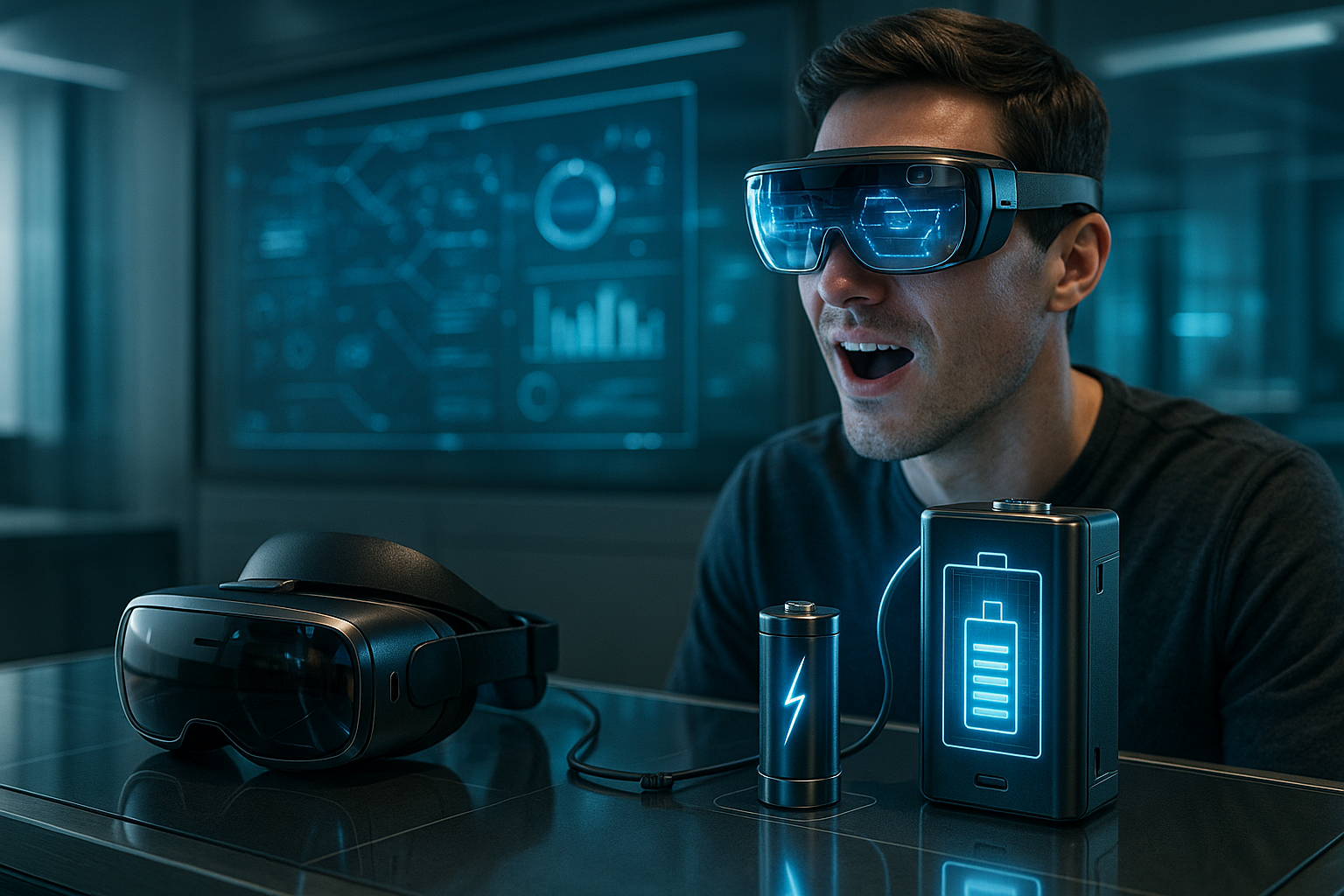
Conclusion: Unleashing the Potential of AR/VR with Advanced Battery Technology
The integration of cutting-edge battery technology into augmented reality (AR) and virtual reality (VR) systems represents a profound leap forward in how we interact with digital environments. This article has explored the numerous facets of this integration, highlighting the transformative impacts on user experience, device design, and practical applications. As we conclude, it’s essential to encapsulate the key points discussed and consider the broader implications for the future of AR/VR technologies.
User Experience Enhanced
At the heart of AR/VR advancements lies the promise of a more immersive and prolonged user experience, made possible by batteries that are not only longer-lasting but also more efficient and powerful. The development of batteries utilizing lithium-sulfur and solid-state technology has begun to address the issue of longevity and safety, which has been a significant barrier to user satisfaction. These innovations ensure that users can enjoy extended sessions without the frequent interruptions for charging that currently plague many devices.
Innovative Device Design
The miniaturization of battery components has also been a game-changer, leading to sleeker and more comfortable AR/VR headsets. This evolution in design is crucial as it directly correlates with user adoption rates. The lighter and less obtrusive the devices become, the more appealing they are to a broader audience, thereby accelerating the integration of AR/VR technologies into everyday life.
Expanding Practical Applications
Furthermore, the article shed light on the expanding realm of practical applications for AR/VR, powered by advanced battery technologies. From revolutionary changes in healthcare, education, and training simulations to significant enhancements in gaming and entertainment, the potential is boundless. Each of these sectors stands to gain immensely from AR/VR technologies that are no longer tethered by the limitations of current battery solutions.
As we look to the future, the ongoing research and development in battery technology hold the key to unlocking the full potential of AR/VR systems. The promise of batteries with faster charging times, higher energy densities, and eco-friendly compositions is not just optimistic thinking but a tangible goal within reach. This progress will not only enhance AR/VR technologies but also contribute to the sustainability of our technological practices, aligning with global efforts to reduce environmental impacts.
The importance of this topic cannot be overstated. As digital and physical realms become increasingly intertwined, the demand for robust, efficient, and user-friendly AR/VR systems will only escalate. It is, therefore, crucial for stakeholders in technology, innovation, and investment fields to pay close attention to these developments and consider the vast opportunities they present.
I encourage everyone reading this to reflect on the insights shared here and to envision the possibilities that lie ahead. Whether you are a developer, investor, educator, or enthusiast, the future of AR/VR powered by advanced battery technologies is ripe with opportunities for innovation and growth.
Feel inspired? 🌟 Please consider sharing this article with peers or on your social networks to spark further discussion. Your feedback and insights are invaluable as we navigate this exciting frontier. Comments and thoughts about other potential applications or considerations for the future of AR/VR and battery integration are especially welcome. Let’s power up the conversation and keep the momentum going!
For those interested in delving deeper into this topic, consider exploring additional resources and staying updated with the latest research findings. Engage with communities and forums that focus on AR/VR developments to exchange ideas and stay at the forefront of this technological evolution.
Together, let’s embrace these advancements and continue to push the boundaries of what’s possible in AR/VR. The future is here, and it’s electrified with possibilities! 🔋🌐
Thank you for taking the time to read and reflect on this crucial topic. Your engagement is what propels this technology forward, shaping a future where AR/VR experiences are not just fantasies but everyday realities.
Let’s power up the future, one innovation at a time!
🔗 Further Reading on AR/VR Technologies
🔗 Latest in Battery Technology
🔗 Scientific Articles on Lithium-Sulfur Batteries
Your thoughts and participation in this evolving field are crucial. Let’s continue to explore and innovate together! 💡
