
Imagine living in a world where your health and wellness are continuously monitored by intelligent devices seamlessly integrated into your daily wear. From smartwatches that analyze your heart rate and sleep patterns to advanced clothing embedded with sensors that monitor your respiratory health, medical wearables are transforming how we understand and manage our health. This evolution has been significantly powered by advancements in technology, particularly in the power systems that fuel these devices. As we delve deeper into the age of digital health, understanding the capabilities and potential of these wearables becomes crucial.

Medical wearables are no longer just about tracking fitness; they are about proactive healthcare management. The latest developments in these devices have made it possible to predict health issues before they become critical, thus saving lives and reducing healthcare costs. However, the effectiveness of these wearables greatly depends on their power systems. Efficient, long-lasting, and fast-charging batteries are the backbone that ensures these gadgets can operate continuously without frequent recharges, making them truly practical for everyday use.
This article explores the innovative world of medical wearables with a focus on the advanced power systems that keep them running. Whether you’re a tech enthusiast, a healthcare professional, or someone interested in the latest health management tools, understanding these technologies will give you insights into how they can enhance your life or the lives of people around you. 🌟
Breaking Down the Basics: What are Medical Wearables?
Before diving into the technicalities, it’s important to understand what exactly medical wearables are. These devices, ranging from the well-known fitness trackers to more sophisticated medical monitoring tools, are worn on the body. They collect data on various health metrics like heart rate, blood pressure, glucose levels, and even stress levels. This data can be used for immediate feedback or analyzed over time to monitor a person’s health and predict potential health issues before they arise.
The Heart of the Matter: Power Systems in Wearables
One might wonder why focus so much on the power systems of these devices? The answer lies in the crucial role they play. The latest advancements in battery technology, including wireless charging and solar power, have propelled the functionality of wearables, making them more reliable and easier to maintain. Innovations like solid-state batteries and energy harvesting technologies are setting the stage for a new era in medical wearables.
From Fitness to Clinical Use: Applications of Medical Wearables
The scope of applications for medical wearables is vast. Initially focused on fitness and general wellness, these devices are now penetrating deeper into the medical field. They are being used for remote patient monitoring, management of chronic diseases, rehabilitation, and even in clinical trials. This shift not only marks a significant step towards more personalized medicine but also illustrates the growing trust in wearable technology’s accuracy and reliability.
Challenges and Future Prospects
Despite the promising advancements, there are challenges that need addressing. Issues such as data security, user privacy, and device accuracy are at the forefront of discussions about medical wearables. Moreover, integrating these technologies into existing healthcare infrastructures poses its own set of challenges. However, the future looks bright, with continuous innovations aimed at overcoming these hurdles. We are moving towards a future where medical wearables could become as commonplace as smartphones.
By the end of this article, you will have a comprehensive understanding of the current state of medical wearables, focusing particularly on their power systems. We will explore the latest technological innovations that are making these devices more efficient, the challenges that developers face, and what the future holds for this exciting intersection of healthcare and technology. Stay tuned as we uncover how these tiny powerhouses are setting the stage for a healthier tomorrow. 💪🔋
So, whether you are simply curious about the latest tech in healthcare or are looking into ways to incorporate these devices into your life or practice, this deep dive into medical wearables with advanced power systems will equip you with the knowledge you need to make informed decisions about these life-enhancing technologies.
Unlocking the Future: How Advanced Power Systems Are Revolutionizing Medical Wearables
The intersection of technology and healthcare has paved the way for groundbreaking innovations that are transforming lives. Among these innovations, medical wearables equipped with advanced power systems are at the forefront. These devices are not only enhancing patient monitoring but are also reshaping treatment methodologies across the globe.
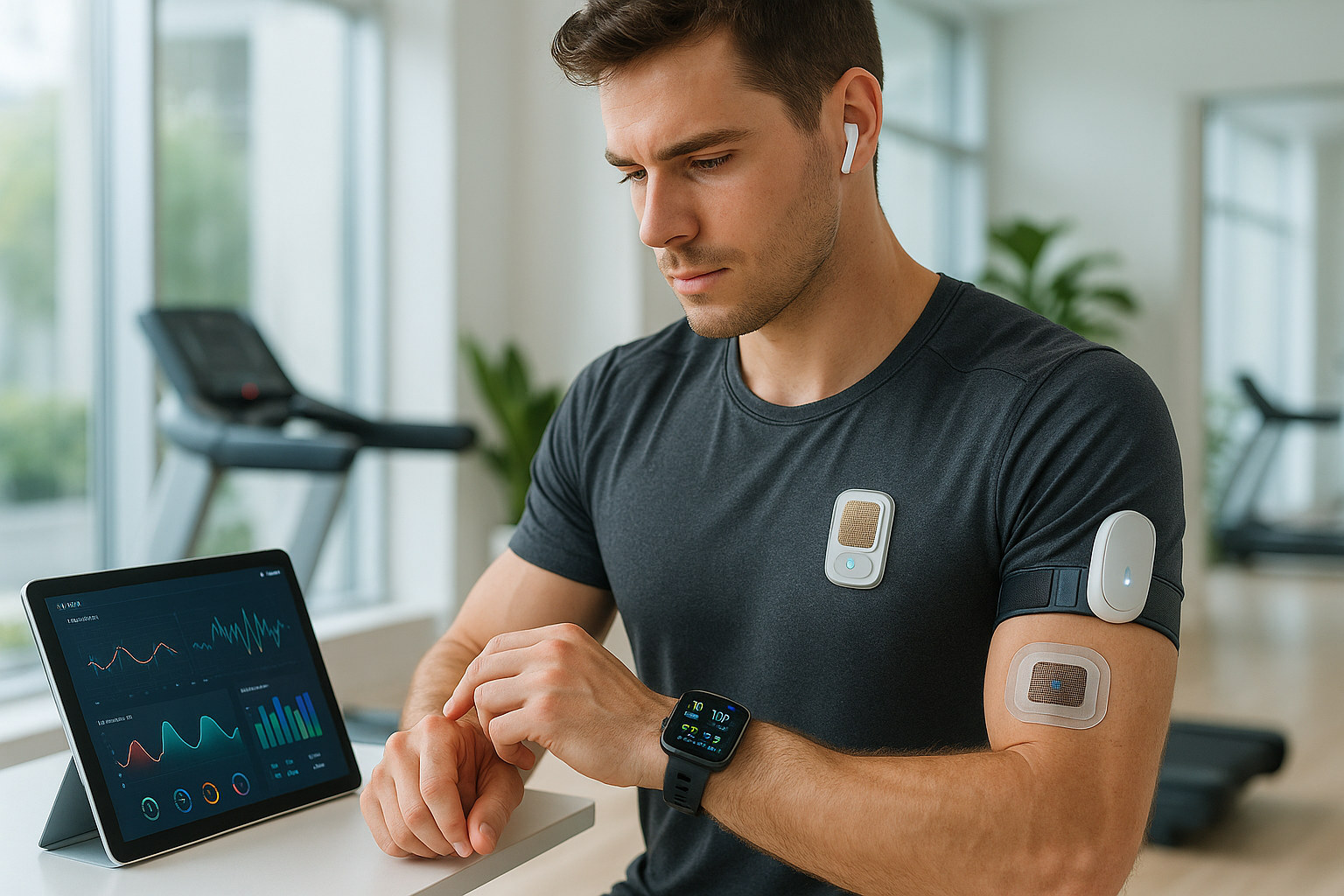
Medical wearables include a broad range of devices such as smartwatches that monitor heart rate and activity levels, continuous glucose monitors for diabetics, and even more complex systems like wireless ECG monitors. The key to their effectiveness lies in the integration of advanced power systems that ensure longevity, reliability, and efficiency.
Recent developments in battery technology and energy harvesting have significantly boosted the functionality of these wearables. Innovations such as thin, flexible batteries and kinetic energy harvesting are making these devices more comfortable and less intrusive for users. This leap in technology not only improves the user experience but also enhances the accuracy and reliability of medical data collected, paving the way for more personalized and timely healthcare solutions.
🔋 Next-Gen Batteries: Smaller, Longer-Lasting, and More Efficient
The evolution of battery technology has been crucial in the development of medical wearables. Modern batteries are not only smaller and lighter but also pack a greater energy punch. This advancement has allowed manufacturers to design sleeker, more comfortable devices without compromising on performance.
For example, solid-state batteries represent a significant step forward. Unlike their lithium-ion counterparts, solid-state batteries use a solid electrolyte, which enhances safety by reducing the risks of leakage and explosions. Additionally, these batteries can be made thinner, which is a critical feature for devices that need to be worn for extended periods.
Moreover, the efficiency of these batteries has seen considerable improvements. Innovations in material science, such as the use of graphene and other conductive polymers, have enhanced the charge retention capabilities and life cycles of these batteries, ensuring that wearables can function longer and more reliably.
🔄 Energy Harvesting: Powering Devices with Your Own Body
One of the most exciting advancements in the field of medical wearables is the development of energy harvesting systems. These systems convert body-generated energy, such as heat or movement, into electrical energy that can power devices. This technology not only extends the battery life of wearables but also reduces the need for frequent recharges.
Thermoelectric generators, for instance, convert body heat into electrical energy. Similarly, piezoelectric materials generate electricity from mechanical stress, such as walking or even the beating of a heart. These technologies are particularly beneficial for long-term health monitoring devices, as they can potentially operate indefinitely without needing external power sources.
Integrating these energy harvesting technologies into wearables enhances their usability and ensures continuous operation, critical for patients requiring constant monitoring. This shift towards self-sufficient devices marks a significant milestone in the wearable technology landscape.
Enhancing Patient Care with Real-Time Health Monitoring
The primary benefit of advanced medical wearables is the ability to monitor health parameters in real time. This continuous monitoring can lead to early detection of potential health issues, timely medical interventions, and ultimately, better patient outcomes.
For instance, wearable devices that monitor heart rate and rhythms can alert users and healthcare providers to abnormalities at their onset. This immediate feedback can be crucial in preventing conditions such as strokes or heart attacks. Moreover, the data collected by these devices can be used to tailor individual treatment plans, enhancing the efficacy of medical interventions.
Continuous glucose monitors (CGMs) serve as another prime example. These devices provide real-time insights into glucose levels, allowing diabetics to manage their condition more effectively. The integration of advanced power systems into CGMs has resulted in devices that are not only more accurate but also less invasive, promoting higher compliance among users.
🌐 The Role of AI and Machine Learning in Wearables
Artificial intelligence (AI) and machine learning (ML) are playing pivotal roles in maximizing the potential of medical wearables. By analyzing the vast amounts of data collected by these devices, AI can identify patterns and predict health events before they occur. This proactive approach to healthcare is not just revolutionary but is also significantly enhancing patient care.
Moreover, AI algorithms are continually learning and improving, which means the more data these wearables collect, the smarter they become. This ongoing improvement helps in fine-tuning health monitoring and management processes, making them more personalized and effective over time.
Furthermore, AI integration helps in minimizing false alarms and enhancing the accuracy of health alerts. By distinguishing between normal and anomalous data, AI ensures that users and healthcare providers receive alerts that are both timely and relevant, reducing unnecessary anxiety and medical interventions.
Challenges and Ethical Considerations in Wearable Technology
While the benefits of medical wearables with advanced power systems are immense, they also bring forth challenges and ethical considerations. Privacy and data security are among the top concerns, as these devices collect and transmit sensitive health information.
Manufacturers and healthcare providers must ensure robust encryption and secure data handling practices to protect user data. Additionally, there must be transparency regarding how the data is used and who has access to it. Establishing strict protocols and regulations can help mitigate these concerns and build trust among users.
Another challenge is ensuring that these advanced technologies are accessible to everyone. There is a risk that only those who can afford these high-tech devices will benefit from the advancements in healthcare they provide. Addressing this disparity is crucial in ensuring that the benefits of wearable technology are available universally.
🌍 The Future of Healthcare: A Connected Ecosystem
The future of healthcare with medical wearables looks promising, with an ecosystem that is interconnected and intelligent. As these devices become more advanced and integrated with AI, the entire healthcare system stands to become more proactive and personalized.
This future is not just about individual health monitoring; it extends to a holistic approach where every piece of data collected contributes to a comprehensive understanding of population health trends and challenges. This big-picture perspective can drive public health initiatives and inform policy decisions, leading to overall better health outcomes for communities worldwide.
Moreover, as interoperability between different devices and systems improves, the potential for collaborative care increases. This means that different healthcare providers can easily share and access patient data, leading to more coordinated and effective care.
In conclusion, while the road ahead for medical wearables with advanced power systems is filled with challenges, the potential benefits to individual and public health are profound. With continued innovation and responsible implementation, these devices will not only transform healthcare but also empower individuals to take charge of their health in ways previously unimaginable.
Conclusion
Conclusion: Empowering Your Health Journey with Advanced Medical Wearables
As we conclude our in-depth exploration of the transformative world of medical wearables equipped with advanced power systems, it’s essential to recapitulate the core insights and takeaways from our discussion. The journey through the latest technological advancements in this field reveals a promising horizon for healthcare, individual wellness, and overall quality of life.
The Core Advancements
Throughout the article, we examined various innovative medical wearables that have emerged due to significant technological breakthroughs. Devices such as advanced glucose monitors, heart rate sensors, and wearable ECG monitors have been highlighted not only for their functionality but also for their enhanced power systems. These power improvements, including longer battery life and more efficient energy use, make it feasible for patients to use these devices continuously without frequent recharges.
Impact on Patient Care and Lifestyle
The implications of these advancements extend far beyond mere convenience. For patients with chronic conditions, these wearables offer a new layer of security and empowerment by providing real-time data that used to require frequent hospital visits to obtain. This shift not only reduces the strain on medical facilities but also places patients in the driver’s seat of managing their health.
Integration with Healthcare Systems
Another critical aspect covered in our discussion was the seamless integration of these wearables with existing healthcare systems. With the adoption of cloud technologies and IoT, medical data gathered by wearables can be instantly shared with healthcare providers. This integration supports a more dynamic, real-time approach to patient monitoring and adjustment of treatment plans, which could lead to better patient outcomes and more personalized care.
Sustainability and Future Trends
Looking forward, the sustainability of power systems in wearables is a vital topic. Innovations in energy harvesting technologies such as solar and kinetic energy present an exciting frontier. These advancements could potentially eliminate the need for traditional charging methods, making wearables more eco-friendly and even more convenient for users.
The Importance of Continued Innovation
As we reflect on these points, the importance of continued research and development in this field cannot be overstated. Each technological stride in wearable medical devices not only enhances patient care but also contributes to the broader dialogue on how we think about health management and prevention strategies.
Engage and Empower
In light of these revelations, I encourage you, the reader, to not only share this information with peers and loved ones but also engage actively in discussions about how such technology could transform your own health and wellness practices. Whether it’s commenting on this article to share your thoughts or exploring ways to incorporate these devices into your health regimen, your active participation is crucial.
🌟 Let’s take this knowledge and power up our health! Your thoughts and experiences are invaluable—please share them in the comments below or through social media. Together, we can drive the conversation forward and help others realize the benefits of these incredible technologies. 🌟
Thank you for taking the time to read and reflect on these advancements. Let’s continue to strive towards a healthier tomorrow, equipped with the best tools science and technology have to offer.
For further reading and to stay updated on the latest in medical wearables, consider checking out Health Tech Zone and MobiHealthNews, sources that consistently provide valuable insights into healthcare technology trends.
Your health is your greatest asset; let’s invest wisely in it.
Remember, the future of healthcare is not just about treatment but about proactive management and prevention. Wearable technologies with advanced power systems are not just gadgets; they are tools that empower us to live better, healthier lives.
Let’s embrace this technology with open arms and open minds. 🚀💪
Stay healthy, stay informed, and power up your health journey!
