
In a world increasingly thirsty for sustainable solutions, the spotlight turns to renewable energy. Yet, while vast wind farms and sprawling solar arrays capture headlines, a quiet revolution brews in the heart of communities worldwide. Community Energy Storage (CES) is transforming how we think about, generate, and consume energy. 🌍✨

Imagine neighborhoods generating their own power, sharing surplus energy, and managing usage more efficiently—all while strengthening local resilience and fostering environmental stewardship. This isn’t a distant utopia but a burgeoning reality shaped by CES initiatives. As global awareness and technology converge, these small-scale projects are proving that community-based approaches can play a pivotal role in the renewable energy landscape.
From the bustling streets of urban centers to the tranquil lanes of rural areas, CES initiatives are tailored to meet specific local needs, harnessing the collective power of individuals and businesses alike. This article delves deep into the essence of Community Energy Storage, exploring its potential to redefine energy dynamics and highlighting the success stories that inspire more communities to take the helm of their energy futures.
But what exactly is Community Energy Storage? How does it work, and why is it becoming an essential part of the renewable revolution? In this extensive exploration, we’ll uncover the mechanics of CES systems, the technologies that drive them, and the benefits they offer not only to individual communities but also to the global effort against climate change. 🌱⚡
The Mechanics of CES: A Technical Overview
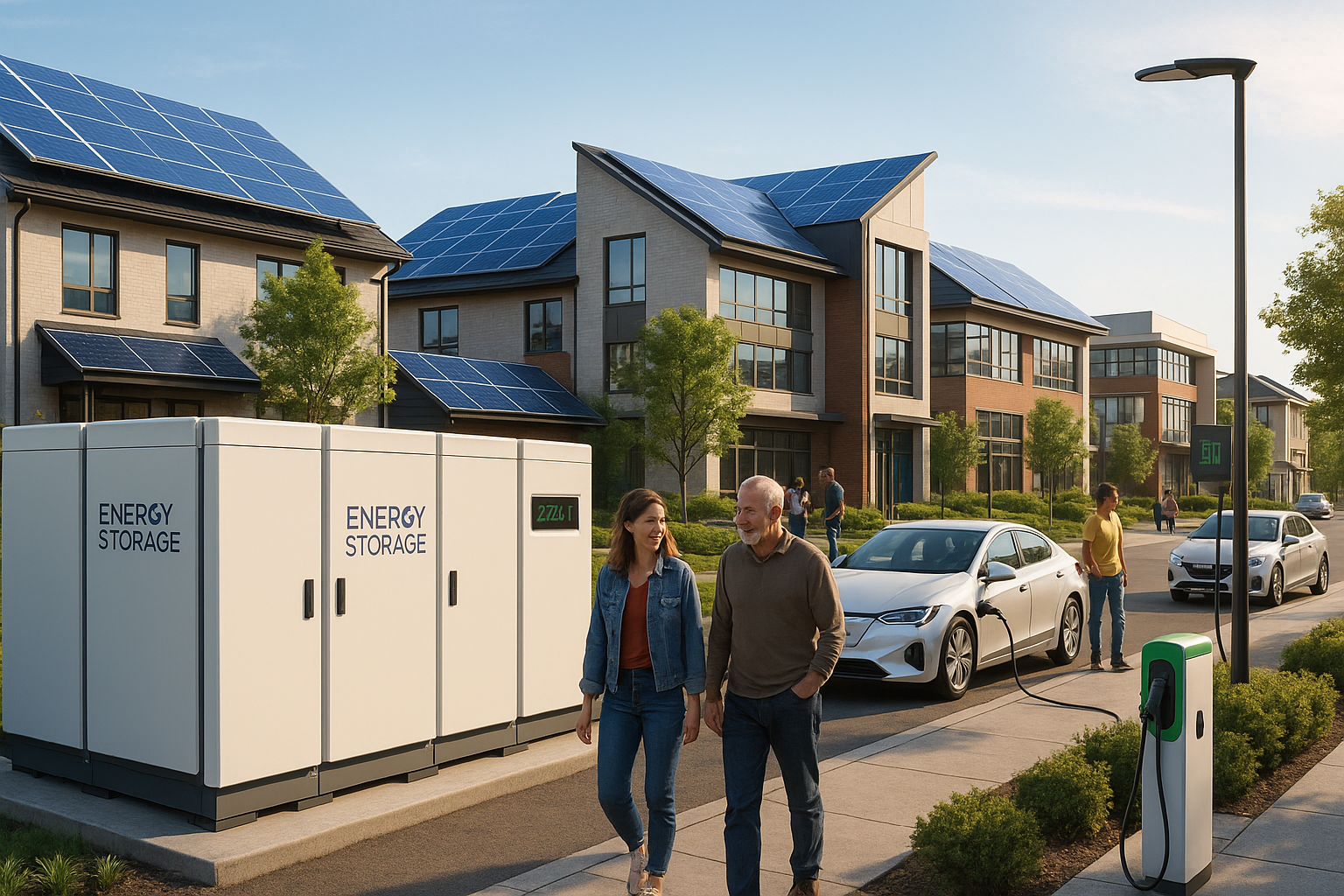
At its core, CES involves the installation of storage units that can hold energy generated from renewable sources like solar and wind. These units are typically positioned at strategic locations within a community—be it a neighborhood, a school, or a business complex—allowing for optimal energy distribution and reduced transmission losses. We’ll break down the technology behind these systems, examine their capacity, and discuss how they integrate with existing power grids.
The Role of Technology in Advancing CES
Innovation is key to the expansion of Community Energy Storage. Advances in battery technology, smart grid applications, and software that can efficiently manage energy flow are all crucial to CES’s success. This section will spotlight emerging technologies that not only enhance the efficiency of CES but also make it more accessible and affordable for communities worldwide.
Real-World Impact: CES Success Stories
What better way to understand the impact of Community Energy Storage than by examining real-life examples? From small towns that have achieved near-total energy independence to urban communities using CES to reduce peak load demands and lower energy costs, these stories provide tangible proof of CES’s potential. These narratives not only inspire but also offer practical insights and lessons learned for other communities considering similar initiatives.
Challenges and Opportunities
Like any burgeoning technology, CES faces its share of challenges. Regulatory hurdles, initial investment costs, and technology adoption rates are just a few of the issues at play. However, these challenges also present opportunities for innovation, policy advocacy, and community engagement. This section will analyze the obstacles CES initiatives might encounter and the strategies to overcome them, paving the way for broader adoption and success.
Looking Ahead: The Future of Community Energy Storage
As we look to the future, the potential of Community Energy Storage to contribute significantly to global renewable energy goals is undeniable. This final section will explore upcoming trends, potential scale-ups, and the role of government and private sectors in supporting the growth of CES. What does the future hold for this exciting field? And how can communities around the world leverage CES to make a sustainable impact?
Engaging with Community Energy Storage is more than just understanding a new technology—it’s about reimagining the possibilities of community power and taking active steps towards a more sustainable and resilient future. Join us as we uncover the layers of CES, shedding light on how small-scale initiatives are making big-scale impacts in the renewable energy revolution. Let’s dive into a journey of innovation, collaboration, and transformation. 🚀🌿
Unlocking the Potential of Community Energy Storage
As we forge ahead into a future powered by renewable energy, the concept of community energy storage (CES) is becoming increasingly significant. This innovative approach not only enhances energy reliability but also empowers local communities by making them active participants in the energy landscape. The essence of CES lies in its ability to provide a decentralized method of storing and distributing energy that is generated from renewable sources such as solar and wind.
Community energy storage systems are designed to store excess energy during times of low demand and release it during peak times. This not only helps in balancing the grid but also reduces the need for expensive and environmentally harmful peak power plants. Moreover, these systems can provide critical backup power during outages, enhancing community resilience against climate-related disruptions.
One of the core advantages of community energy storage is its scalability. These systems can be installed in various sizes, from small batteries that support a single home to larger systems that can power entire neighborhoods. This flexibility allows communities to tailor their energy storage solutions according to their specific needs and available resources.
How Does Community Energy Storage Work?
At its core, community energy storage functions by integrating battery storage technology with local renewable energy production. For instance, solar panels on community buildings or homes generate electricity that can either be used immediately or stored in batteries for later use. This stored energy can be crucial during power outages or when solar panels are not producing electricity, such as during the night or on cloudy days.
The management of CES often involves smart grid technology, which uses real-time data to efficiently distribute electricity. Smart grids help in optimizing the energy flow from the point of generation to storage and eventually to consumption. This not only maximizes the efficiency of the energy used but also ensures a steady and reliable power supply for the community.
Benefits of Community Energy Storage
- Enhanced Energy Security: By storing surplus energy, communities can reduce their reliance on external power sources, which can be crucial during natural disasters or other disruptions.
- Reduced Energy Costs: CES allows communities to use stored energy during peak demand times when energy prices are higher, leading to significant cost savings.
- Increased Renewable Energy Use: With the ability to store renewable energy, communities can increase their use of clean energy sources, thus reducing carbon emissions and promoting environmental sustainability.
Case Studies: Successful Community Energy Storage Projects
In order to understand the practical application and benefits of community energy storage, examining real-world examples can be incredibly insightful. These case studies not only demonstrate the viability of CES projects but also highlight the diverse approaches different communities have taken to implement these systems.
One notable example is the project implemented in Sterling, Massachusetts. The town installed a 2 MW community energy storage system alongside a 3 MW solar farm. This system has not only allowed the town to save on energy costs but has also provided emergency backup power to critical facilities during outages, demonstrating a robust model for other communities to follow.
Another example can be found in West Sussex, United Kingdom, where a community-led initiative has combined solar panels with battery storage to create a resilient and sustainable energy system. This project not only supports the local grid but also provides a blueprint for community participation in renewable energy initiatives.
Key Factors for Implementing CES Projects
Successful implementation of community energy storage systems requires careful consideration of several key factors. Firstly, the community needs to assess its energy needs and the potential for renewable energy generation. This involves understanding the local climate, energy consumption patterns, and available resources.
Financing is another critical aspect. Communities need to explore various funding sources such as government grants, private investments, or community funding models like cooperatives. Additionally, regulatory approval and community engagement are essential to ensure that the project aligns with local policies and has the support of the community.
Finally, technological considerations must be addressed. This includes choosing the right type of battery storage system and integrating it with existing energy infrastructure. It’s also crucial to implement smart grid technologies to optimize the performance and benefits of the CES.
Technological Innovations Driving Community Energy Storage
The rapid advancement in battery technology is one of the key enablers of community energy storage. Lithium-ion batteries, which are known for their high energy density and long lifespan, are currently the most popular choice. However, new technologies like solid-state batteries and flow batteries are emerging, offering higher safety and potentially lower costs.
Smart grid technology is another crucial component. These advanced grid systems utilize AI and machine learning to predict energy demand and optimize energy distribution. This not only enhances the efficiency of energy use but also plays a vital role in integrating renewable energy sources into the grid.
Internet of Things (IoT) devices also play a pivotal role in the CES ecosystem. These devices help in real-time monitoring and management of energy flow, ensuring that energy distribution is optimized and that any issues can be promptly addressed.
Challenges in Deploying Community Energy Storage
Despite the numerous benefits, there are several challenges that need to be overcome to fully realize the potential of community energy storage. Technical challenges, such as the integration of various energy sources and maintaining battery health, are significant. There’s also the challenge of ensuring cybersecurity in an increasingly connected energy network.
Regulatory hurdles are another major challenge. Energy markets and regulations are often complex and can vary significantly between different regions. Navigating these can be difficult, especially for community-led projects that may not have extensive legal resources.
Community engagement and public perception can also pose challenges. Energy projects require community buy-in and support, which can sometimes be difficult to achieve. Clear communication and transparency in project planning and benefits can help in building trust and support among community members.
Empowering Communities with Energy Independence
Community energy storage represents a transformative shift towards energy democracy, where communities are not just passive consumers of energy but active participants in its production, storage, and distribution. This model not only helps in making renewable energy more accessible and reliable but also plays a crucial role in community development by fostering local job creation and energy independence.
The economic benefits are also significant. By reducing energy costs and providing new revenue streams through energy sales and grid services, community energy storage can be a powerful tool for economic empowerment. Additionally, these projects can increase property values and attract new investments to the area.
In conclusion, community energy storage is more than just a technical solution. It is a community-focused approach that can help drive the renewable energy revolution forward, making clean energy more equitable and accessible. As we continue to face global energy challenges, community energy storage stands out as a beacon of innovation and community empowerment.
Exploring More on YouTube
If you’re intrigued by the potential of community energy storage and want to see how these systems operate in real life, check out the video titled “Community Energy Storage: A Real-World Overview” on the YouTube channel Renewable Energy Hub. This video provides a comprehensive look at various community energy storage projects and their impact.
Watch the video here: Community Energy Storage: A Real-World Overview – Renewable Energy Hub
By exploring these resources, you can gain a deeper understanding of how community energy storage is playing a pivotal role in shaping a sustainable future. The journey towards a renewable-powered world is complex and challenging, but with the collective effort of communities around the globe, it is certainly achievable.
Join the Energy Revolution: How You Can Contribute
Participating in or initiating a community energy storage project can be a rewarding endeavor. If you’re interested in contributing to this innovative approach to energy management, there are several ways you can get involved. Engaging with local energy cooperatives, participating in community planning meetings, and advocating for supportive policies are great starting points.
Educating yourself and others about the benefits and operations of community energy storage also plays a crucial role. Awareness and knowledge are powerful tools that can drive community action and support. Additionally, consider investing in or donating to projects that promote renewable energy initiatives in your community.
Finally, leveraging technology to enhance energy efficiency in your own home or business can contribute to the broader goals of energy sustainability and independence. Smart thermostats, energy-efficient appliances, and solar panels are just a few examples of how you can make a difference.
By taking these steps, you can actively participate in the energy revolution, contributing to a future that values sustainability, community empowerment, and energy independence. The journey towards a cleaner, more sustainable energy future is ongoing, and every small contribution counts.
Concluding Thoughts on Community Energy Storage and the Renewable Revolution
As we draw this discussion to a close, it’s clear that the journey towards a sustainable future is both necessary and inspiring. The focus of our analysis, “Powering the Future: Community Energy Storage Initiatives Sparking a Renewable Revolution,” has illuminated several critical points and practical examples that underline the transformative power of community energy storage systems (CESS) in the renewable energy landscape.
Firstly, we revisited the pressing issue of global energy demands and environmental concerns that are driving the shift towards renewable energy sources. The statistics and forecasts reveal a world at a pivotal moment, where the choice of energy source will determine environmental outcomes for decades to come. Community energy storage, as we’ve seen, is not just a technical solution but a community-driven approach that enhances energy reliability, efficiency, and sustainability.
The benefits of community energy storage are manifold. By decentralizing energy storage and management, communities can reduce dependency on large-scale power plants and decrease transmission losses. This leads to a more resilient energy system that can withstand disruptions and provide stable energy supply in times of need. The case studies from various parts of the world, including the innovative projects in Germany and California, showcased how these systems are not only feasible but also economically viable and socially beneficial.
Engagement from the community has been a pivotal factor in the success of these initiatives. When people understand and participate in the energy systems that power their lives, there is a stronger commitment to energy conservation and renewable sources. This aspect of community involvement is crucial in driving the shift towards a more sustainable energy future.
Moreover, we discussed the technological advancements that are making community energy storage more accessible and effective. Innovations in battery technology, software for managing energy distribution, and platforms for sharing energy within a community are all contributing to the growth of this sector. These technological strides are vital for overcoming previous barriers to entry and making renewable energy a practical choice for more communities worldwide.
However, the journey is not without its challenges. Regulatory hurdles, financial constraints, and the need for continuous technological innovation are significant obstacles that need to be addressed. The role of policy-makers and the support from governmental and international bodies will be crucial in overcoming these challenges. Policies that incentivize renewable energy adoption and provide financial and technical support to community storage projects can accelerate their implementation.
As we conclude, the importance of community energy storage in the renewable revolution cannot be overstated. It is an essential piece of the puzzle in achieving a sustainable energy future. The empowerment of communities to manage and store their own energy not only supports environmental goals but also enhances energy security, economic stability, and community resilience.
I encourage all readers to reflect on the information shared, engage in discussions, and explore how they can contribute to or initiate community energy storage projects in their own areas. Share this article to spread the word, comment with your thoughts, and let’s continue to inspire each other in this vital transition. Together, we can power a brighter, more sustainable future. 🌍✨
For those looking to dive deeper into the specifics of community energy storage and its impact on renewable energy, consider visiting reliable sources such as the U.S. Department of Energy and academic publications on platforms like ScienceDirect. These resources can provide more detailed insights and ongoing updates about technological advancements and policy developments in this field.
Let’s spark a renewable revolution, one community at a time!
