
In an era where climate change is no longer a distant threat but a pressing reality, the quest for sustainable energy solutions has taken center stage. Among the myriad of innovations, hybrid grid solutions are emerging as a pivotal technology for revolutionizing energy storage and management. As we delve into the complexities and potentials of these systems, it’s essential to understand how they are not just enhancing our ability to harness renewable resources but are also reshaping the very fabric of power consumption and distribution.

Hybrid grid systems, which integrate renewable energy sources like solar and wind with conventional power grids, are at the forefront of transforming our energy infrastructure. These systems offer a more resilient, efficient, and sustainable approach to energy management, promising a future where clean power is not just available but is also reliable and economically viable. But what does this mean for industries, governments, and individuals seeking to reduce their carbon footprint and embrace a greener future?
This comprehensive article will explore the critical components of hybrid grid solutions, the technology behind them, and the significant benefits they offer in the quest for sustainable energy. From decreased dependency on fossil fuels to enhanced grid stability and reduced energy costs, hybrid grids are not just a theoretical concept but a practical solution already making significant strides in the energy sector.
Firstly, we will delve into the mechanics of hybrid grid systems, examining how they integrate various energy sources to optimize efficiency and reliability. Understanding the technical groundwork will provide a solid foundation for grasping the broader implications of adopting such systems. This section will not only cater to technical enthusiasts but also to those new to the topic, ensuring a clear and concise exposition of complex concepts.
Next, the focus will shift to the environmental impact of hybrid grids. In this light, we will assess how these systems contribute to reducing carbon emissions and the overall ecological footprint of energy production. It’s crucial to highlight the role of hybrid grids in achieving renewable energy targets set by governments worldwide, and how they can be a cornerstone in the fight against global warming.
Furthermore, we will discuss the economic implications of switching to hybrid grid solutions. This includes an analysis of initial investment costs, long-term savings, and the potential for economic growth through new jobs and industries. For businesses and policymakers, this section will illuminate the financial dynamics and incentives associated with hybrid grids, providing a balanced view of costs versus benefits.
Additionally, real-world examples and case studies will be incorporated to illustrate the successful implementation and operation of hybrid grids globally. These narratives will bring to life the abstract concepts discussed, showing tangible results and lessons learned from existing projects. Through these stories, readers will gain insights into the practical challenges and innovative solutions associated with hybrid grid systems.
To wrap up, we will explore the future trends in hybrid grid technology and the next steps for scaling up their implementation. This forward-looking perspective will not only inspire but also equip stakeholders with the knowledge to make informed decisions and strategies for a sustainable future.
In summary, as we journey through the detailed landscape of hybrid grid solutions, this article aims to provide a thorough understanding and appreciation of their role in sustainable energy management. By addressing the technical, environmental, and economic aspects, we will uncover how these systems are not merely a temporary trend but a substantial move towards a sustainable and energy-efficient world. 🌍✨
Stay tuned as we embark on this enlightening exploration of hybrid grid solutions, where the future of energy is not only powered by nature but is also more connected, intelligent, and sustainable than ever before.
Unlocking the Potential of Hybrid Grid Solutions
As the world gravitates towards more sustainable energy sources, the importance of efficient energy storage and management systems cannot be overstated. Hybrid grid solutions represent a significant leap forward in our ability to manage power more sustainably and efficiently. These systems combine various forms of energy storage and generation techniques to provide a resilient, flexible, and efficient energy supply.
Hybrid grid solutions typically integrate renewable energy sources like solar and wind with more traditional forms of energy storage and generation, such as batteries and diesel generators. This integration helps to balance the variability of renewable energy sources and ensure a stable power supply even during periods of low sunlight or wind. Additionally, the use of advanced management systems allows for real-time monitoring and adjustment of energy flows, enhancing the overall efficiency of the grid.
The implementation of hybrid grid solutions has been shown to significantly reduce carbon footprints, lower energy costs, and increase energy security. By leveraging the strengths of multiple energy sources and storage techniques, these systems can deliver consistent power even in remote or underserved areas, making them an invaluable tool in the global push towards sustainability.
Key Components of Hybrid Grid Systems
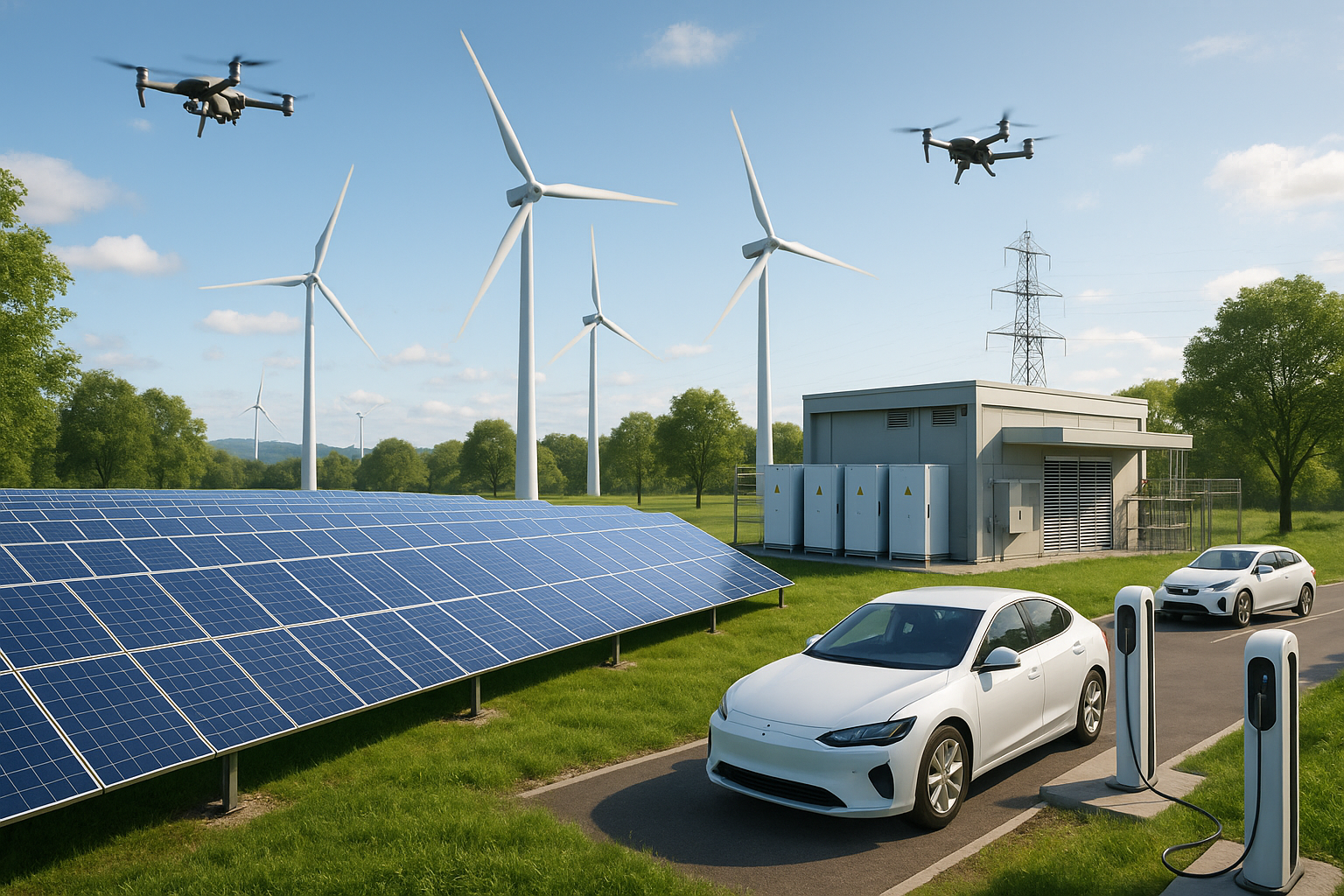
At the heart of any hybrid grid system are several key components that work together to ensure seamless energy management and storage. These include:
- Solar panels: Convert sunlight into electricity, providing a renewable source of energy.
- Wind turbines: Harness wind energy to generate electricity, complementing solar power especially in windy areas.
- Battery storage systems: Store excess energy produced during peak production times for use during demand peaks or low production periods.
- Energy management system (EMS): A sophisticated software that controls and optimizes the flow of energy within the grid.
Together, these components create a robust system capable of managing diverse energy sources and demands, contributing to a more sustainable and efficient energy landscape.
Comparative Analysis of Hybrid vs. Traditional Grids
When it comes to understanding the benefits of hybrid grid solutions, a comparison with traditional grid systems can be quite revealing. Traditional grids often rely heavily on centralized energy production facilities like coal, gas, or nuclear power plants, which can be inefficient and environmentally damaging.
Hybrid grids, by contrast, focus on decentralized, often renewable energy sources which are much cleaner and can be located closer to where the energy is needed, thus reducing transmission losses and enhancing energy security. Additionally, the use of modern battery storage technologies in hybrid grids allows for better handling of peak load demands and can significantly reduce the need for fossil fuel-based peak power plants.
To provide a clearer picture, here is a comparative table outlining key differences between traditional and hybrid grid systems:
| Aspect | Traditional Grid | Hybrid Grid |
|---|---|---|
| Energy Sources | Mostly non-renewable (coal, gas) | Diverse, including renewables (solar, wind) |
| Environmental Impact | High carbon footprint | Reduced emissions |
| Energy Efficiency | Lower due to transmission losses | Higher due to proximity and storage |
| Cost-effectiveness | Less cost-effective in long-term | More cost-effective with incentives |
Real-World Applications and Benefits
Hybrid grid systems are not just theoretical concepts; they are already being implemented across the globe with remarkable success. For instance, in areas with limited grid access, hybrid systems provide a much-needed solution to energy reliability and sustainability. Such systems are also pivotal in urban settings where the energy demand is high and growing, helping to alleviate the pressure on traditional power grids.
Furthermore, the adaptability of hybrid systems means they can be tailored to the specific needs of a community or region, incorporating local energy sources and storage solutions, which enhances their efficiency and impact. This local adaptation not only bolsters energy security but also supports local economies by creating jobs and reducing energy costs.
For a deeper understanding of how hybrid grid systems can transform power management, watch this insightful video: “Revolutionizing Energy Management with Hybrid Grids” on YouTube by the channel GreenTech Innovations. It provides a comprehensive look into the workings and advantages of hybrid systems.
Future Trends in Hybrid Grid Technology
The future of energy management is bright with hybrid grid solutions at the forefront of innovation. As technology advances, we can expect these systems to become even more efficient and widespread. Developments in AI and machine learning are set to further enhance the predictive capabilities of EMS, making hybrid grids smarter and more responsive to changes in energy supply and demand.
Moreover, as the costs of renewable energy technologies continue to fall, hybrid grids will become more accessible and affordable, paving the way for a truly global shift towards sustainable energy practices. The integration of electric vehicles and their batteries into hybrid grids as storage solutions is another exciting area of development, promising to boost the efficiency of both power and transportation sectors.
In conclusion, hybrid grid solutions represent a pivotal innovation in our quest for sustainable and efficient energy management. With ongoing advancements and increasing global adoption, these systems are set to revolutionize how we produce, store, and consume energy. Embracing hybrid grid technology is not just about making power systems more efficient; it’s about securing a sustainable and resilient energy future for generations to come.
🌍🔋 Explore the endless possibilities of hybrid grid solutions and take a step towards a sustainable future!
Conclusion: Embracing the Future of Sustainable Power with Hybrid Grid Solutions
As we conclude our exploration into the transformative world of hybrid grid solutions, it is clear that the integration of these technologies represents a pivotal shift towards sustainable energy management. Throughout this article, we’ve delved into several key aspects of hybrid grids, including their design, benefits, and the significant impact they have on our journey towards a greener planet.
Hybrid grid systems, which intelligently combine renewable energy sources like solar and wind with traditional power grids, offer a promising path to enhance energy reliability, reduce carbon emissions, and promote energy independence. The ability of these systems to store and dispatch energy as needed helps in addressing the intermittency issues often associated with renewable sources.
One of the standout features of hybrid grid solutions is their scalability and versatility. Whether it’s a small community or a large metropolitan area, these systems can be tailored to meet specific energy needs, making them a vital tool for both developed and developing regions. By fostering a more resilient energy infrastructure, hybrid grids not only support economic growth but also enhance societal well-being.
The economic implications of adopting hybrid grids are profoundly positive. By reducing dependency on imported fuels and minimizing energy production costs, countries can achieve greater financial stability and security. Furthermore, the growth in this sector fosters job creation, from installation and maintenance to research and development, contributing to a robust economic ecosystem.
Environmental sustainability is perhaps the most compelling argument for hybrid grids. As we face escalating climate challenges, transitioning to sustainable energy solutions is no longer optional but a necessity. Hybrid grids offer a way to significantly cut down on greenhouse gas emissions and reduce our ecological footprint. The preservation of our planet for future generations depends on such innovative solutions.
Public policies and government support play a crucial role in the adoption of hybrid grid technologies. Incentives for renewable energy installations, subsidies for research, and supportive regulatory frameworks are essential to accelerate the deployment of these systems. It is encouraging to see many governments already implementing policies that promote sustainable energy technologies.
However, challenges such as initial capital outlay, technological complexities, and the need for skilled personnel must be addressed to fully leverage the potential of hybrid grid systems. Ongoing research and development, coupled with strategic partnerships between public and private sectors, are vital for overcoming these hurdles.
As readers and stakeholders in our global community, your engagement and advocacy are crucial. Discussing, sharing, and applying the insights from this article can drive wider acceptance and implementation of hybrid grid solutions. Whether you are a policymaker, industry professional, or a concerned citizen, your actions can contribute to shaping a sustainable energy future.
In conclusion, hybrid grid solutions are not just a technological advancement; they are a necessary evolution in our energy infrastructure. Their ability to integrate seamlessly with existing systems, harness renewable resources, and support economic and environmental sustainability makes them a cornerstone for future power management strategies.
Let this article be a call to action. Engage with your community, share your thoughts online, and perhaps consider how hybrid grid solutions can be implemented in your local area. Every step toward sustainable energy is a step towards a healthier, more sustainable planet 🌍.
Remember, the journey to energy sustainability is a collective effort, and it starts with informed discussions and shared knowledge. Your voice matters—let it be heard.
Feel free to leave comments, share this article, and join the conversation about the future of energy. Together, let’s power a brighter, greener future.
Continue the discussion and keep spreading the word about sustainable power solutions! Together, we can make a difference. 🌱🌞
