
In an era where the surge in energy demand clashes with the urgent need for sustainable practices, managing peak demand through advanced energy storage solutions is not just a smart move—it’s essential. 🌍⚡ But why is energy storage becoming a cornerstone in our quest to optimize energy use? This exploration is not just about understanding the mechanics of energy storage systems but grasping their profound impact on our grids, our environment, and our future.

Let’s delve into the transformative role of energy storage technologies and how they can help manage peak demand, reduce costs, and accelerate our transition to renewable energy. From lithium-ion batteries to flywheel energy storage, we will uncover how these technologies are not merely supporting the grid but revolutionizing it.
First, it’s crucial to understand what peak demand is and why it poses a significant challenge. Peak demand refers to times when the electrical power demand is at its highest. Traditionally, this is when most residential, commercial, and industrial users are simultaneously drawing power, typically during early evenings. Managing this peak is vital because it dictates the capacity requirements of our utilities, often leading to reliance on less efficient and more polluting energy sources.
Enter energy storage solutions. By smoothing out the demand curve, these technologies can store surplus energy during low-demand periods and release it during peak times. This not only helps in managing the load more efficiently but also cuts down the need for expensive and carbon-heavy peak power plants. But the benefits extend beyond just managing peaks. They include enhancing the reliability of renewable energy sources, which are inherently intermittent in nature. Think of solar power: while it’s abundant during the day, it’s absent at night. Energy storage can bridge this gap, ensuring a steady and reliable power supply round the clock.
In this extensive discussion, we will explore several key areas:
- Technological Innovations: What are the cutting-edge technologies in energy storage? How are advancements in battery technology, like solid-state batteries, transforming the landscape?
- Integration with Renewable Energy: How does energy storage facilitate the greater integration of renewables into the grid? What role does it play in stabilizing renewable output and making it more predictable?
- Cost Implications: What are the economic benefits of adopting energy storage systems for utility companies and end-users alike? How does it impact the overall cost of energy?
- Regulatory Environment: What are the current regulatory frameworks affecting energy storage? How can policy evolve to support faster adoption of these technologies?
- Case Studies: Which regions or countries are leading the way in energy storage? What can we learn from their successes and challenges?
As we dig into these topics, you’ll gain a clearer picture of how energy storage is not just a tool for energy efficiency but a pivotal element in the blueprint for a sustainable energy future. 🌱🔋 The journey from a grid reliant on fossil fuels to one empowered by clean, smart technologies is complex and fraught with challenges. However, the evolution of energy storage presents a promising path forward.
This deep dive will arm you with the knowledge to understand the stakes, the technologies, the strategic decisions, and the policies that are shaping the future of energy. Whether you’re an industry professional, a policy maker, or simply an interested citizen, the insights gathered here will help you grasp the potential of energy storage to transform our energy systems. So, prepare to explore how something as simple as storing energy could be the key to unlocking a more efficient, sustainable, and resilient energy future.
With energy demands only set to increase, the time to harness the power of energy storage is now. Let’s embark on this enlightening journey to discover how we can maximize efficiency and pave the way for a cleaner, more sustainable energy landscape. 🌟🌍
By the end of this article, you’ll not only understand the ‘how’ and ‘why’ of energy storage for managing peak demand but also be equipped with the knowledge to advocate for and implement these systems in your own spheres of influence. Join us in exploring the power of energy storage, where every watt saved is a step toward a sustainable future.
Unlocking the Secrets of Energy Storage Systems
As we delve into the complex world of energy management, the importance of energy storage systems (ESS) becomes ever more apparent. These systems are pivotal in balancing electricity supply and demand, thus ensuring the stability and efficiency of power grids. What’s more, with the increase in renewable energy sources, which are inherently intermittent, the role of energy storage becomes even more critical.
Energy storage systems vary widely in type, each suitable for different applications and offering unique advantages. For example, lithium-ion batteries are renowned for their high energy density and long lifecycle, making them a popular choice for both residential and commercial energy storage. Conversely, flow batteries, with their ability to scale easily, are perfect for large-scale storage applications such as utility facilities.
But how exactly do energy storage systems manage peak demand? During periods of low demand, energy is stored in these systems. Then, during peak demand when energy prices are higher and the strain on the grid is greater, the stored energy is released. This not only helps in managing the load on the grid but also in reducing electricity costs and enhancing the reliability of power supply.
Types of Energy Storage Technologies
- Lithium-ion Batteries
- Lead Acid Batteries
- Flow Batteries
- Flywheel Energy Storage
- Compressed Air Energy Storage
Comparative Analysis of Energy Storage Technologies
To better understand the differences among the various types of energy storage technologies, let’s look at a detailed comparison. This will cover aspects such as efficiency, cost, lifespan, and scalability. Such a comparative analysis is crucial for anyone looking to implement an energy storage system, as it aids in choosing the technology that best fits their specific needs.
Lithium-ion batteries, for instance, offer high efficiency and energy density but come with higher costs and environmental concerns due to the materials used in manufacturing them. On the other hand, flow batteries boast lower energy densities but excel in lifespan and scalability, making them ideal for large-scale applications.
Here’s a detailed table comparing the key features of the top energy storage technologies:
| Technology | Efficiency | Cost | Lifespan | Scalability |
|---|---|---|---|---|
| Lithium-ion | 90-95% | High | 10-15 years | Moderate |
| Lead Acid | 80-85% | Low | 5-10 years | Low |
| Flow Batteries | 70-80% | Moderate | 20-30 years | High |
| Flywheel | 95-98% | Moderate | 20+ years | Low |
| Compressed Air | 70-75% | High | 30+ years | High |
Consider checking out this insightful video, “Understanding Energy Storage Systems” by the Energy Academy, which dives deep into how these technologies work and their applications in real-world scenarios.
The Impact of Energy Storage on Renewable Integration
The integration of renewable energy sources like solar and wind into the power grid has been increasing at an impressive rate. However, the variability and unpredictability of these energy sources pose significant challenges in energy management. This is where energy storage systems show their true value. By smoothing out the fluctuations in energy production associated with renewables, they ensure a stable and reliable power supply.
For instance, on sunny or windy days, excess energy can be stored rather than wasted. Later, this energy can be released during overcast or calm conditions, or during peak demand times, thus maximizing the use of renewable energy and reducing reliance on fossil fuels.
Moreover, by facilitating a more stable integration of renewables, energy storage systems help in reducing greenhouse gas emissions and advancing towards a more sustainable future. This alignment with environmental goals is not just beneficial on an ecological level but also enhances the energy security of nations, reducing their dependence on imported fuels.
Benefits of Energy Storage for Renewable Energy
- Stabilizes power supply by balancing fluctuations in renewable production
- Reduces reliance on non-renewable energy sources
- Enhances grid reliability and reduces outage risks
- Promotes a reduction in greenhouse gas emissions
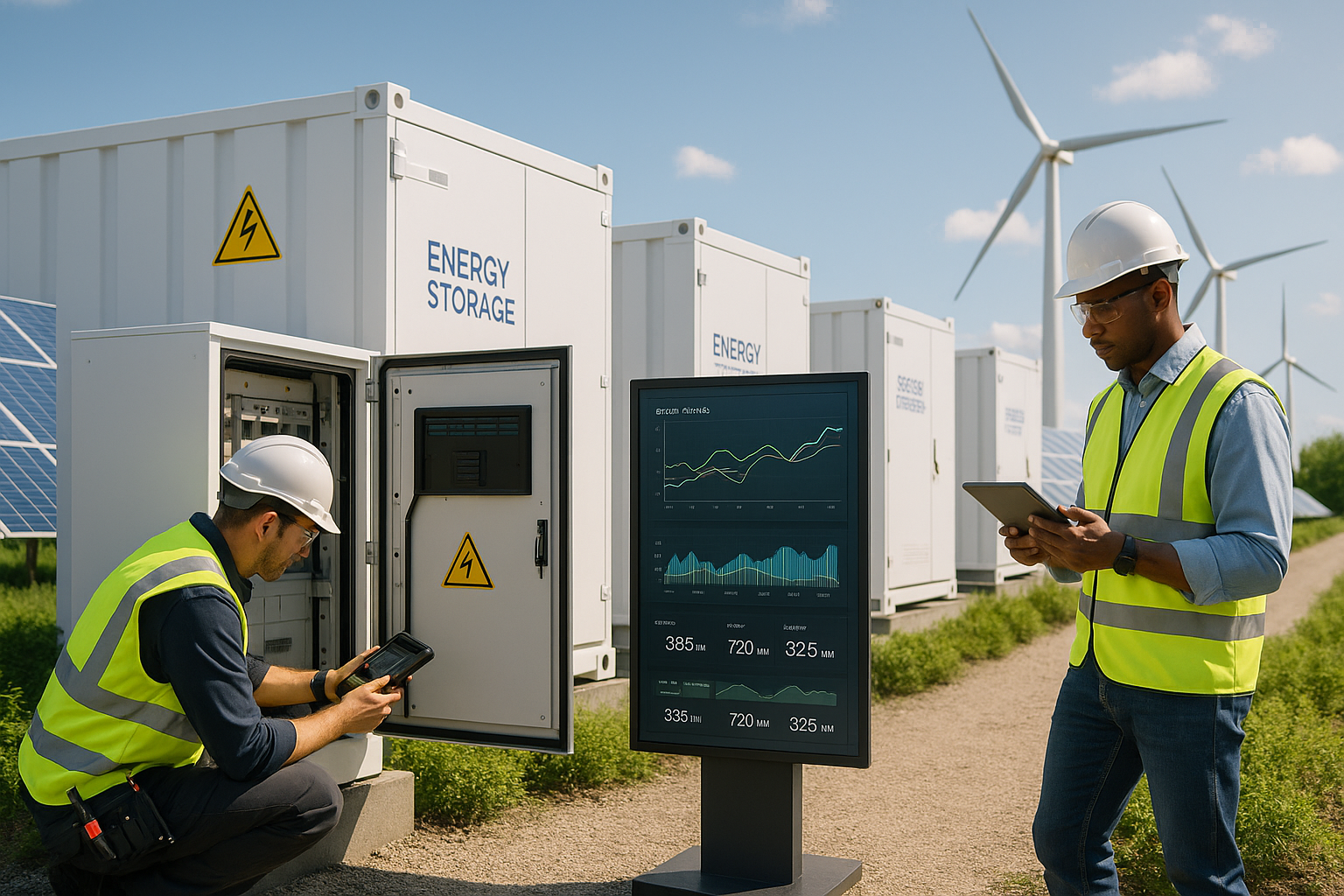
As we continue to explore and innovate in the field of energy storage, the potential for these systems to revolutionize our energy infrastructure becomes increasingly evident. Whether it’s managing peak demand, integrating renewable energy sources, or enhancing grid stability, energy storage stands at the forefront of sustainable energy solutions.
🌍 To learn more about how energy storage can transform the energy landscape, consider exploring additional resources and staying updated with the latest technological advancements in this field.
Conclusion
In this article, we have delved into the transformative potential of energy storage systems (ESS) in managing peak demand, a crucial component for enhancing the efficiency and sustainability of power grids worldwide. As our energy landscape evolves, the significance of implementing advanced storage solutions becomes increasingly evident, directly impacting economic stability, environmental sustainability, and energy reliability.
Initially, we explored the concept of peak demand and its challenges, including the strain on infrastructure and increased electricity costs. The ability to mitigate these peaks is not just a technical requirement but a financial and environmental imperative. By integrating energy storage systems, utilities can reduce reliance on peaking power plants, which often are less efficient and more polluting.
Furthermore, we discussed various types of energy storage technologies such as lithium-ion batteries, pumped hydro storage, and flywheel energy storage. Each comes with its own set of benefits and is suited to different applications. Lithium-ion batteries, for example, are excellent for short-term energy storage and quick response solutions, making them ideal for urban settings where space and response time are critical.
The economic implications of energy storage were also examined. Although the initial investment can be substantial, the long-term savings in operational costs and the potential revenue from energy market participation can make ESS a viable financial solution. This is particularly pertinent in regions where energy costs peak sharply and frequently.
Adoption challenges such as technological limitations, regulatory issues, and the need for significant capital outlay were addressed. Solutions to these challenges include governmental incentives, technological advancements, and the development of robust regulatory frameworks that support the integration of energy storage.
The environmental benefits of energy storage, particularly in terms of reducing carbon emissions and promoting renewable energy sources, were highlighted as well. ESS allows for a greater integration of intermittent renewable energies like solar and wind, smoothing out their output and making renewable energy more reliable and consistent.
Finally, case studies from around the world provided concrete examples of how energy storage is being implemented to enhance grid stability, manage peak loads, and reduce operational costs. These examples not only illustrate the practical applications of ESS but also showcase the global momentum towards embracing these technologies.
The journey towards a more efficient and sustainable energy future is complex and multifaceted. Energy storage systems are at the heart of this transition, offering a powerful solution for managing peak demand and integrating renewable energy sources. As we move forward, it will be crucial for stakeholders across the board to engage in this dialogue and contribute to refining and implementing energy storage solutions.
Your thoughts and actions matter. Whether you are a policy maker, a business leader, an environmental advocate, or simply a concerned citizen, your engagement can drive change. Share your thoughts on this topic below, spread the word on social media, or consider how you can implement these technologies in your community or business. Let’s work together to maximize our energy efficiency and take meaningful steps towards a sustainable future. 🌍💡
Remember, the power to change the energy landscape for the better is in our hands. Let’s harness the potential of energy storage and make a positive impact on our world. For more detailed information, check out the Department of Energy’s page on energy storage which offers a wealth of resources and insights.
Thank you for your attention, and let’s continue to innovate and push the boundaries of what’s possible with energy management! 🚀
References
- Department of Energy. (n.d.). Energy Storage. Retrieved from https://www.energy.gov/energystorage/energy-storage
