
Imagine a world where every flick of a switch, every turn of a vehicle, and every spark of industrial innovation is powered by clean, renewable energy. This vision is fast becoming a reality as the integration of renewable energy with advanced storage solutions is transforming the landscape of the energy industry. As we dive deeper into the 21st century, the pressing need for sustainable energy solutions is more palpable than ever, pushing scientists, engineers, and policymakers to rethink how we generate, store, and distribute power.

Renewable energy sources like solar and wind are not only pivotal in combating climate change but are also key to a sustainable economic future. However, the variable nature of these energy sources has presented significant challenges. Unlike fossil fuels, which can deliver power on-demand, renewable energy generation depends heavily on weather conditions, leading to fluctuations in power supply. This is where energy storage systems come into play, providing a buffer that can store excess energy during peak production and release it during demand spikes.
The synergy between renewable energy and storage technologies is a game-changer, offering a pathway to a more resilient, efficient, and clean energy grid. This article will explore how this integration is revolutionizing the energy industry, highlighting the latest advancements, the challenges faced, and the potential global impacts of this transformation. From utility-scale projects to individual consumer applications, the breadth of innovation is vast and inspiring.
First, we’ll delve into the cutting-edge technologies driving this revolution. Advancements in battery chemistry, such as lithium-ion and beyond, are making energy storage more efficient, affordable, and scalable. Innovative solutions like flow batteries and compressed air energy storage are opening new avenues for storing energy in various forms, ensuring that the grid can handle intermittent energy flows more effectively.
Next, we will discuss the integration strategies that make the most of both renewable generation and storage capacities. Smart grid technologies, which use digital communications to detect and react to local changes in usage, are crucial in this aspect. These technologies not only help in balancing supply and demand but also in enhancing the reliability and security of energy grids.
The challenges in this journey are not trivial. We’ll examine the regulatory hurdles, economic implications, and the technological bottlenecks that could slow down the pace of adoption. Additionally, the environmental impacts associated with manufacturing and disposing of storage systems are issues that need urgent attention and innovative solutions.
Furthermore, the role of policy and market incentives will be scrutinized to understand how they are shaping the landscape of renewable energy and storage integration. Subsidies, tax incentives, and renewable energy certificates are just a few mechanisms that governments are employing to accelerate the shift towards a greener future.
The final section of this comprehensive exploration will focus on the future prospects of renewable energy and storage integration. We’ll peek into the crystal ball to predict how these technologies might evolve and scale, considering the rapid advancements in artificial intelligence, machine learning, and blockchain technology in energy applications. The potential for these technologies to further disrupt and innovate the way we think about and use energy is immense and thrilling.
As we embark on this detailed journey through the nexus of renewable energy and storage, the goal is not just to inform but also to inspire action and innovation. The integration of these technologies is not merely a technical evolution—it is a pivotal shift towards sustainability that could define the future of our planet. So, whether you’re a policy maker, industry professional, or a concerned citizen, understanding this dynamic field is crucial for anyone invested in the future of our world’s energy systems. 🌍✨
Join us as we unpack the complexities and celebrate the triumphs of this energy revolution. Together, we can look forward to a future where energy is not only abundant and sustainable but also a force for global economic and social good. Let’s explore how powering the future is becoming a reality, one innovation at a time.
The Dawn of Energy Evolution: Integrating Renewable Resources
As the world pivots towards sustainability, the integration of renewable energy with storage systems has become a pivotal innovation, reshaping how we generate, store, and distribute energy. The evolution from fossil fuels to renewable sources is not just a necessity for environmental balance but also a strategic move for energy independence and security.
The journey towards renewable energy integration involves numerous challenges and innovations, particularly in the realms of technology and infrastructure. The current energy systems were primarily designed for consistent power sources like coal and natural gas, not for intermittent sources like solar and wind. This shift demands not only new grid designs but also significant advancements in storage technologies to ensure a stable and reliable energy supply.
Energy storage systems are critical in this transition, allowing for excess energy generated during peak production times to be stored and used during demand peaks or low production periods. This smoothens out the supply curve, ensuring consistent energy availability and stabilizing grids against the variability of renewable energy sources.
Key Technologies Driving Renewable Integration
Several technologies are at the forefront of this revolution in energy storage and integration. Lithium-ion batteries are currently the most popular due to their efficiency and declining cost. However, new technologies like solid-state batteries and flow batteries are emerging, potentially offering longer lifespans and better scalability for large-scale energy storage.
Another innovative technology is the integration of artificial intelligence (AI) in managing grid systems. AI can predict energy demand and production trends, optimizing when to store energy and when to release it back into the grid. This not only enhances energy efficiency but also reduces waste and improves the overall reliability of renewable energy systems.
Furthermore, the concept of smart grids is transforming how energy is distributed. These grids use digital communication technology to detect and react to local changes in usage, improving efficiency and reliability of electric power distribution. This ability to adapt to different energy inputs and outputs is crucial in a landscape increasingly dominated by renewable sources.
Real-World Examples of Renewable Energy and Storage Integration
Across the globe, various projects exemplify the successful integration of renewable energy with storage systems. In Australia, the Hornsdale Power Reserve uses Tesla’s Powerpack batteries to store energy from a nearby wind farm, significantly stabilizing the local grid. This project has not only proven the feasibility of large-scale battery storage but also showcased dramatic improvements in system reliability and cost-effectiveness.
In the United States, California’s Self-Generation Incentive Program (SGIP) has been pivotal in promoting the use of energy storage systems alongside solar panels in residential and commercial settings. This program has facilitated a substantial increase in the installation of storage systems, enabling more efficient use of solar energy and reducing reliance on the traditional grid during peak times.
Europe is not left behind, with Germany leading the way in integrating solar energy with battery storage. The country has implemented policies that subsidize the installation of solar battery systems, leading to a significant rise in their adoption. This move not only supports the grid but also allows consumers to become partially or fully independent in terms of energy supply.
Impact on Utility Companies and Consumers
Utility companies are experiencing a paradigm shift. The traditional business model of selling kilowatt-hours is evolving into offering services like peak shaving, load shifting, and full energy management solutions. This shift is not just a response to technological advancements but also a strategic adaptation to the increasing demand for cleaner, more sustainable energy.
For consumers, the integration of renewable energy with storage brings numerous benefits. Initially, the most noticeable is the potential reduction in energy bills due to improved energy efficiency and the ability to store excess energy during low-cost periods. Additionally, consumers gain increased energy independence, reducing their vulnerability to grid failures and energy price volatility.
This transition also opens up new opportunities for consumers to participate in energy markets. Through mechanisms such as net metering and feed-in tariffs, consumers can sell excess energy back to the grid, turning an environmental investment into a potential financial gain.
Exploring the Future: Innovations on the Horizon
The future of energy storage and integration is bright, with numerous innovations in the pipeline that promise to further enhance the efficiency and scalability of renewable energy systems. Researchers are exploring beyond lithium-ion technology to discover materials that offer higher capacities, faster charging times, and reduced environmental impact.
One of the most anticipated developments is the advancement of graphene-based supercapacitors. These devices promise extremely fast charging times and a virtually unlimited lifespan, which could revolutionize energy storage. Another area of research is into the use of hydrogen as a storage medium, which could be particularly useful for storing energy over longer periods, such as from season to season.
Integration techniques are also improving, with developments in smart grid technology that allow for more sophisticated management of energy flows. These advancements include the use of blockchain for better security and transparency in energy transactions, potentially enabling a more decentralized and consumer-driven energy market.
Global Impact and Environmental Benefits
The global impact of integrating renewable energy with storage is profound. Not only does this transition promise to reduce carbon emissions significantly, but it also offers a pathway to achieving energy independence for many nations. This shift has the potential to reduce geopolitical tensions surrounding oil and gas reserves, leading to a more stable global energy market.
From an environmental perspective, the benefits are clear. Reduced reliance on fossil fuels decreases air pollution, mitigates climate change, and lessens ecological destruction associated with mining and drilling activities. Additionally, the adoption of renewable energy and storage systems promotes biodiversity by preserving natural habitats that would otherwise be compromised by traditional energy infrastructure.
For those interested in seeing these technologies in action, watch “The Future of Energy Storage – Beyond Lithium” by TEDx Talks on YouTube. This video provides a deeper insight into how cutting-edge technologies are shaping the future of renewable energy storage and integration.
- Increased energy security
- Enhanced grid stability
- Opportunities for consumer participation in energy markets
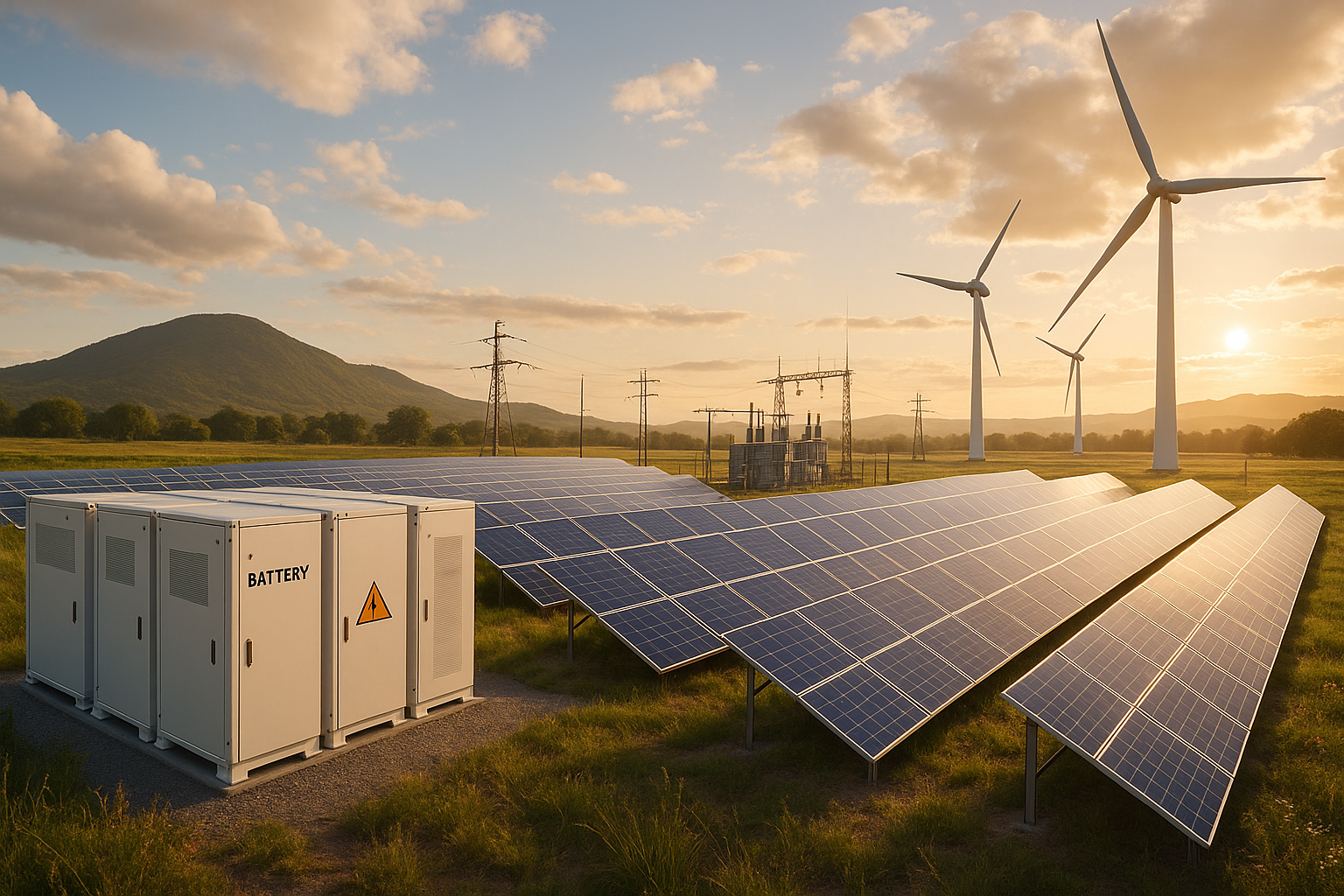
The integration of renewable energy with storage systems is not just a technical upgrade; it’s a necessary evolution towards a sustainable and stable global energy framework. As we continue to innovate and implement these systems, the promise of a cleaner, more resilient energy future becomes increasingly tangible.
Conclusion
As we conclude our exploration into the vital intersection of renewable energy and storage technology, it’s clear that the future of the energy industry is on the cusp of a revolutionary transformation. Throughout this article, we’ve delved into the various dimensions and developments that underline the importance of integrating renewable energy sources with robust storage solutions. This synthesis not only promises to enhance the sustainability of our energy consumption but also plays a crucial role in stabilizing and strengthening the grid against the increasing irregularities posed by climate change.
Firstly, the journey through renewable energy technologies highlighted how solar and wind power have matured over the years, becoming not only more efficient but also more cost-effective. The scalability of these technologies has allowed for a broader implementation, pushing us closer to a future where clean energy is predominant. However, the intermittent nature of solar and wind energy presents a significant challenge—this is where energy storage systems come into play.
Energy storage, particularly lithium-ion batteries and emerging technologies like flow batteries and compressed air energy storage, has seen remarkable advancements. These technologies provide a way to store excess energy produced during peak production times, which can then be used during low production periods. The impact of this cannot be overstated, as it effectively smooths out the supply of power and ensures a consistent and reliable energy flow.
Furthermore, the integration of renewable energy and storage has significant implications for grid stability. It allows utilities to manage supply and demand more effectively, reducing the need for fossil fuel-based peak power plants, which are both costly and environmentally damaging. This integration also enhances the grid’s resilience, making it better equipped to handle extreme weather events and fluctuations in energy supply.
Economic impacts are also noteworthy. As more industries and sectors invest in renewable technologies, the costs associated with these technologies continue to drop, making them more accessible. This not only stimulates economic growth but also creates numerous job opportunities in new and emerging sectors of the energy market.
However, the transition to a fully integrated renewable energy and storage system is not without challenges. Policy frameworks, market structures, and investment in research and development need to keep pace with technological advancements. Governments and private sectors must work in harmony to create an environment that nurtures innovation and accelerates the adoption of these technologies.
As we look toward the future, the potential for renewable energy integrated with storage to revolutionize the energy industry is immense. This transition holds the key to achieving a sustainable energy future, reducing our carbon footprint, and fostering an environment that prioritizes the health of our planet.
We encourage you to reflect on the information presented and consider how these technologies might be applied or advocated for in your community or sphere of influence. Share your thoughts and this article with peers or on social media platforms to spread awareness and inspire others to engage with this critical subject. Your voice can contribute to a broader dialogue that shapes policies and practices surrounding renewable energy and storage integration.
Inspirational and actionable, the journey toward a sustainable energy future is not just a possibility—it is an imperative. Let’s embrace this challenge together, pushing forward with optimism and determination.🌍✨
Feel free to delve deeper into the subject by exploring active and reliable sources like the [International Energy Agency](https://www.iea.org) or [The Renewable Energy Hub](https://www.renewableenergyhub.us) for more detailed insights and ongoing updates in the field.
Your engagement and proactive steps can help power a brighter, cleaner future for all. Let’s make the change happen! 🌞🔋
Thank you for reading, and please, don’t hesitate to share your thoughts and this crucial information with others. Together, we can make a difference.
