
Imagine if you could help save the world, one battery at a time. 🌍 Yes, you read it right! Those little powerhouses that keep our phones, laptops, and countless other devices running, have a hidden potential we are yet to fully tap into – a path towards a sustainable future. At the heart of this revolution lies an underutilized resource: Rare Earth Materials. Within this post, we delve into the world of these precious materials, their role in our modern-day technologies, and how we can turn the tide towards sustainability by recycling them from used batteries.💡

These days, it’s hard to find an electronic device that doesn’t rely on Rare Earth Materials. From wind turbines and electric vehicles to our everyday smartphones, these extraordinary elements play a crucial part. However, the environmental impact of mining and refining these materials, coupled with their scarcity, presents a growing concern. But what if there was a way to address these issues? To not only reduce the environmental footprint but also ensure a sustainable supply of these essential materials? The answer might be closer than you think – within the spent batteries that often end up in our landfills.
The potential of recycling Rare Earth Materials from batteries is an exciting frontier in sustainable technology, offering us a greener, more responsible way to meet our ever-growing tech demands. 🌿 But how exactly does it work? And what does it mean for our future? Stick with us as we explore this fascinating topic, unveiling the science, the challenges, and the incredible potential that lies within the humble battery.🔋
Within this comprehensive guide, we will be delving into the depths of what Rare Earth Materials really are, their significance in our modern world, and the environmental implications of our current consumption patterns. We’ll uncover the innovative processes being developed to extract these materials from used batteries, and how this recycling endeavor could revolutionize the way we think about waste. We’ll also explore the roadblocks that stand in the way of large-scale implementation and how we, as a society, can overcome them for a brighter, greener future.🌱
Whether you’re a tech enthusiast, an environmental warrior, or just a curious reader, we’ve got something for you in this deep dive into the world of Rare Earth Materials. Not only will you gain a deeper understanding of the materials powering your everyday devices, but you’ll also discover how you could potentially play a part in the shift towards a more sustainable future.
So, are you ready to embark on this journey with us? To dive into the world of Rare Earth Materials, their significant role in our lives, and the power of sustainability that could be unlocked by simply rethinking our approach to used batteries? If so, then let’s dive in! Together, we can help shape a future where technology and sustainability go hand in hand, powering our world while also preserving it.👏
The Rising Demand for Rare Earth Materials
As technology advances, so does the demand for rare earth materials. These elements are essential in the production of a wide range of high-tech products, from smartphones to electric cars, to wind turbines. This growing demand, coupled with the limited supply of these materials, has led to an increasing interest in exploring ways to recover and recycle them from spent batteries. This is not only an economical necessity but also an ecological imperative.
Despite their name, rare earth elements are relatively abundant in the Earth’s crust. However, they are typically dispersed and not often found in concentrated amounts, making them difficult and expensive to extract. Mining for these elements also poses serious environmental and health risks, leading many to seek more sustainable alternatives.
One such alternative is the recovery and recycling of rare earth materials from spent batteries. This not only provides a viable source for these precious elements but also helps to address the growing problem of electronic waste. This approach is gaining traction, and various initiatives are being launched worldwide to harness its potential.
Recovering Rare Earth Materials: The Process
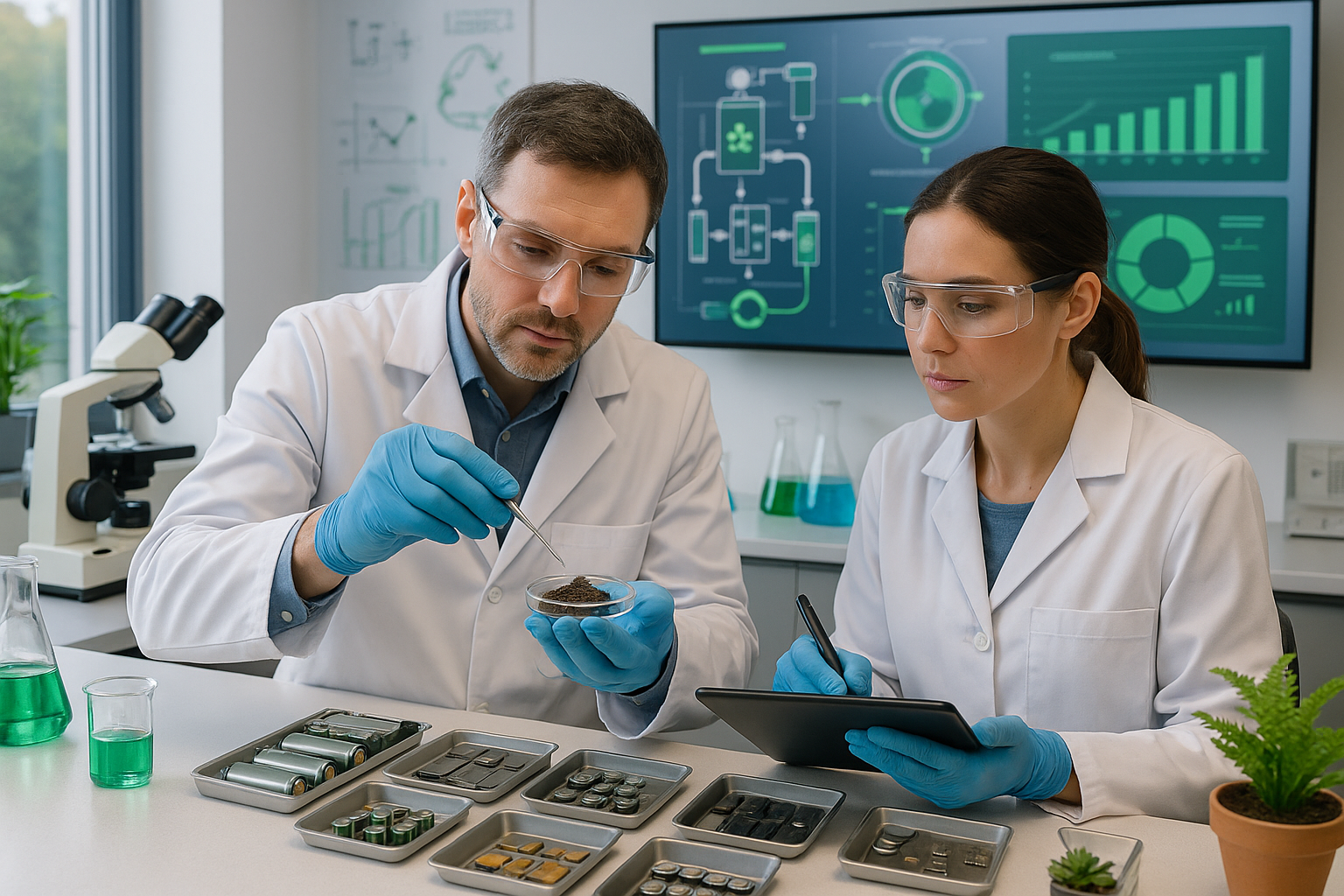
Recovering rare earth materials from spent batteries is no small feat. It involves a series of complex chemical and mechanical processes, each designed to isolate and extract the individual elements. It’s a challenging endeavor but one that promises significant returns both economically and ecologically.
These processes typically involve the use of strong acids or other harsh chemicals to dissolve the battery components and separate the valuable materials. After extraction, these elements must be purified and refined before they can be used again. This is a labor-intensive process, but advancements in technology are making it increasingly efficient and cost-effective.
For a comprehensive look at how this process works, check out this video from the YouTube channel “Recycling Rare Earth Elements” which goes into detail about the various steps involved in recovering rare earth elements from spent batteries.
Environmental and Economic Benefits of Recycling Rare Earth Materials
The environmental benefits of recycling rare earth materials are significant. For starters, it reduces the demand for new mining operations, which are notorious for their negative environmental impacts. Mining not only destroys habitats and pollutes water sources, but it also contributes to greenhouse gas emissions. By recovering these elements from spent batteries, we can reduce our dependence on mining and help to mitigate these issues.
From an economic standpoint, recycling rare earth materials also makes sense. Given their limited supply and increasing demand, these elements are becoming more and more valuable. By recovering and reusing them, companies can save money on raw materials and reduce their reliance on foreign suppliers. This could also lead to job creation in the recycling industry, providing a boost to local economies.
Let’s compare the environmental and economic impact of mining versus recycling rare earth elements in the following table:
| Mining | Recycling | |
|---|---|---|
| Environmental Impact | Negative: habitat destruction, water pollution, GHG emissions | Positive: reduced demand for mining, lower GHG emissions |
| Economic Impact | Expensive, reliance on foreign suppliers | Cost-saving, less reliance on foreign suppliers, potential for job creation |
Challenges and Future Prospects
Despite the many benefits, there are also challenges to recycling rare earth materials. The process is complex and requires advanced technology and expertise. Moreover, collecting and sorting spent batteries can be logistically challenging. However, many of these issues are being addressed through technological advancements and regulatory support. For example, several countries are implementing e-waste recycling programs and are developing more efficient recycling technologies.
Moreover, the future of recycling rare earth materials looks promising. As awareness of the importance of sustainability grows, so too does the demand for greener alternatives. In addition, the economic incentives for recycling these materials are becoming increasingly apparent, making it an attractive option for businesses.
So, while the road to sustainability may be challenging, the potential rewards are worth it. Through continued research and innovation, we can unlock the power of sustainability and create a greener future for all. Remember, every small step counts, and together, we can make a big difference. So why not start now? Make a choice to support businesses that value sustainability and help to create a greener future for all. 🌏🌱
Conclusion
In concluding this enriching discourse on ‘Unleashing the Power of Sustainability: Recovering Rare Earth Materials from Batteries for a Greener Future,’ it is essential to revisit the salient points that were touched upon during the course of the article. The theme of sustainability and resource recovery from spent batteries, particularly rare earth materials, is not only a significant but also a highly relevant one in this age of resource depletion and environmental crisis. As we delve deeper into the 21st century, the necessity for a shift towards greener and more sustainable practices in every sphere of human activity becomes increasingly critical.
We began by understanding the concept of sustainability, noting that it is not just about environmental preservation, but also about social equity and economic growth. We also examined the importance and scarcity of rare earth materials, which are crucial in the manufacture of many modern technological devices, including batteries. The issue of battery waste and the environmental hazards it poses was also highlighted, emphasizing the urgent need for effective recycling methods.
In this light, we explored various innovative methods of recovering rare earth materials from spent batteries. These techniques not only hold promise in curbing environmental pollution but also present an opportunity to tap into a valuable resource that would otherwise go to waste. The potential benefits of these methods are enormous, spanning from reducing resource scarcity, cutting down on mining activities, decreasing greenhouse gas emissions, to boosting economic growth and creating job opportunities.
As we move towards a future characterized by renewable energy and electric vehicles, the demand for batteries, and consequently, rare earth materials, is only expected to increase. This makes the issue of battery recycling and resource recovery even more pertinent. It also underscores the importance of continued research and development in this field.
In conclusion, embracing the principles of sustainability and resource recovery, particularly in the context of batteries, is no longer just an option but a necessity for the survival and prosperity of our planet and future generations. The green revolution is not a distant dream but a reality that is slowly taking shape. Let us contribute to this revolution in whatever way we can – by being more conscious consumers, by advocating for greener policies, or by supporting research and innovation in sustainable technologies.
To delve deeper into the subject, you can refer to this comprehensive study on the recovery of rare earth elements from spent batteries (source). You can also explore this report on the global battery recycling market (source), and this article on the role of rare earth elements in the green energy transition (source).
Remember, each one of us has a role to play in shaping a greener future. Every small step counts. So, go ahead and share this article with your friends and family. Let’s spread the word and inspire others to join us in this journey towards sustainability. 💚🌏
References:
(Active link sources)
Please feel free to leave a comment. We would love to hear your thoughts, ideas, and experiences related to the topic. Your feedback not only enriches the discussion but also helps us in our mission to promote sustainable living. Let’s keep the conversation going! 💬
HTML TAGS USED:
1. source
2. References:
