
Imagine a potential future where our power sources are cleaner, more efficient, and sustainable. Imagine an era where our dependence on fossil fuels is a thing of the past. Sounds like a dream, right? Well, it’s not as far-fetched as you might think. The key to unlocking this sustainable future may very well lie within a technology we use every day: batteries. But not just any batteries – we’re talking about the advanced lithium-ion batteries that power our phones, laptops, electric cars, and even our homes. 🌍⚡🔋

As our society becomes increasingly electrified, the demand for these batteries is skyrocketing. But with great power (pun intended) comes great responsibility. The challenge lies in building sustainable supply chains for the materials needed to produce these batteries – a critical but often overlooked aspect of our path to sustainability.
In this comprehensive article, we’re going to delve into the complex and fascinating world of battery materials supply chains. We’re going to explore the main elements involved, the challenges faced, the solutions being proposed, and the potential impact on our planet’s future. 💡🏭🔄
We’ll begin by taking a closer look at the core materials needed for battery production – lithium, cobalt, nickel, and manganese, among others – and the roles they play in battery performance. We’ll discuss the sources of these materials, the extraction processes involved, and the implications for the environment and local communities. 🌐⛏️🌳
The Challenge of Sustainability
As we delve deeper into the topic, we’ll examine the pressing issues of sustainability and ethical sourcing. Despite the clean and green image of battery-powered technologies, the extraction and processing of battery materials can have significant environmental and social impacts. We’ll address these complex issues head-on, exploring the challenges and discussing potential solutions. ⚖️🌍💡
The Solutions in Progress
Next, we’ll take a look at the innovative solutions being developed to create more sustainable and responsible supply chains. From improving extraction methods and developing recycling programs, to exploring alternative materials and implementing fair trade practices, we’ll explore the promising advancements that are paving the way to a more sustainable future. 🛠️♻️🌱
The Future of Battery Materials Supply Chains
Finally, we’ll gaze into the crystal ball and speculate on the future of battery materials supply chains. What will these supply chains look like in a decade? What advancements can we expect? How will these changes affect our journey towards a more sustainable society? 🚀🔮🌐
Whether you’re a tech enthusiast, an environmental advocate, a supply chain professional, or simply a curious mind, we’re confident that this article will enlighten you. So buckle up, and let’s embark on this journey to uncover the hidden world of battery materials supply chains and their vital role in powering our sustainable future. 😊🌍🔋
The Global Demand for Battery Materials: What’s Fuelling the Growth?
It’s no secret that the world is swiftly moving towards a future dominated by renewable energy. As more nations embrace this shift, the demand for efficient energy storage solutions, primarily batteries, is skyrocketing. At the heart of this dynamic transformation are battery materials – the critical components that power our electric vehicles, smartphones, and renewable energy storage systems. With a growing focus on sustainability, establishing sustainable supply chains for these materials is more critical than ever. Let’s dive into the factors that are fuelling this global demand.
Firstly, the electrification of transport systems is a primary driver. As governments worldwide set ambitious targets for carbon neutrality, the demand for electric vehicles is on the rise. This shift towards electric mobility directly impacts the demand for lithium-ion batteries, thereby increasing the need for battery materials like lithium, cobalt, nickel, and others. This insightful video by CNBC explores the global lithium rush and its implications.
Secondly, the rise in renewable energy adoption is also propelling the demand. Energy storage systems, powered by batteries, are essential to balance the supply-demand dynamics of renewable power sources like solar and wind energy. Consequently, this surge in renewable energy uptake is pushing the demand for battery materials further up.
Challenges in Building Sustainable Supply Chains for Battery Materials
While the growth prospects are promising, the journey towards building sustainable supply chains for battery materials is laden with challenges. The most significant hurdle is the environmental impact of extracting these materials. Mining operations for battery materials, particularly cobalt and lithium, often lead to deforestation, soil erosion, and water pollution. Additionally, these operations are energy-intensive, thereby contributing to carbon emissions.
Another pressing issue is the geopolitical risks associated with the supply of these materials. Many battery materials are concentrated in a few countries that are politically unstable or have stringent export regulations, leading to supply uncertainty. For example, the Democratic Republic of Congo is the world’s largest producer of cobalt, a key battery material. However, the country has been marred by political instability, child labor, and human rights violations, raising serious ethical concerns.
Finally, the end-of-life management of batteries poses a significant challenge. Improper disposal of batteries can lead to soil contamination and water pollution, causing severe environmental damage. Developing effective recycling technologies and systems for batteries is crucial for sustainability.
Strategies for Building Sustainable Supply Chains: What’s Being Done?
Recognizing these challenges, stakeholders across the value chain are taking active steps towards building sustainable supply chains for battery materials. One promising approach is the adoption of clean extraction technologies. Companies are investing in R&D to develop environmentally friendly mining methods that reduce soil degradation, water pollution, and carbon emissions.
Moreover, establishing responsible sourcing practices is another critical strategy. Several battery manufacturers and end-users, including Tesla and Apple, have committed to sourcing battery materials responsibly. They are working closely with their suppliers to ensure compliance with environmental standards and human rights.
On the recycling front, efforts are underway to develop effective battery recycling systems. For example, Li-Cycle, a Canada-based company, has developed an innovative process that recovers 95% of battery materials, which can be used to produce new batteries. Watch this video from Bloomberg Quicktake to learn more about Li-Cycle’s battery recycling technology.
Comparing the Sustainability of Different Battery Materials: A Closer Look
Not all battery materials are created equal when it comes to sustainability. Here’s a comparative analysis of some key battery materials.
| Material | Environmental Impact | Geopolitical Risk |
|---|---|---|
| Lithium | High (Water pollution, soil degradation) | Moderate (Concentrated in a few countries) |
| Cobalt | High (Deforestation, soil erosion) | High (Political instability in the Democratic Republic of Congo) |
| Nickel | Moderate (Potential for acid mine drainage) | Low |
As this table shows, each material comes with its unique set of environmental and geopolitical risks. Recognizing these differences is crucial for developing targeted strategies for sustainability.
What Does the Future Hold: Advancements and Opportunities
The future of sustainable supply chains for battery materials is not just about overcoming challenges but also about embracing opportunities. One such opportunity lies in the advancement of new battery technologies. For example, solid-state batteries, which replace the liquid electrolyte in lithium-ion batteries with a solid material, could potentially reduce the demand for cobalt. Researchers are also exploring alternatives to lithium, such as sodium and magnesium.
Moreover, digital technologies like blockchain can play a transformative role in enhancing traceability and accountability in the supply chain. Companies such as Volvo are already leveraging blockchain to trace the source of cobalt used in their electric vehicles, thereby ensuring responsible sourcing.
Lastly, public-private partnerships can provide a significant boost to sustainability efforts. Governments, companies, and research institutions need to collaborate to develop and implement sustainable practices across the battery materials supply chain. Only through collective action can we power a sustainable future.
🌍 Are you ready to be part of this transformation? Keep exploring, keep innovating, and remember – every step counts towards a sustainable future! 🚀
Conclusion
In wrapping up this comprehensive discussion on “Powering the Future: Building Sustainable Supply Chains for Battery Materials,” it’s paramount to reiterate the central points we’ve covered, showcasing the weight of the issues at hand and urging you, our readers, to take action, contribute thoughts, share these insights, or even better, implement sustainable practices in your sphere of influence.
The ever-increasing demand for batteries, chiefly driven by the upsurge in electric vehicles (EVs), renewable energy storage, and portable electronics, has made it crucial to create sustainable supply chains for battery materials. These supply chains must be resilient, eco-friendly, and socially responsible to ensure the long-term viability of these industries and the planet at large.
Our discussion commenced with an overview of the battery materials market, highlighting the core materials used, including lithium, cobalt, nickel, manganese, and graphite. While each of these materials offers unique properties making them indispensable in battery manufacture, their extraction and refining processes often raise significant environmental and social concerns. From mining operations that pollute ecosystems, disrupt communities, and infringe on workers’ rights, to the carbon-intensive production processes – the need for sustainability in battery material supply chains becomes glaringly obvious. 🌍
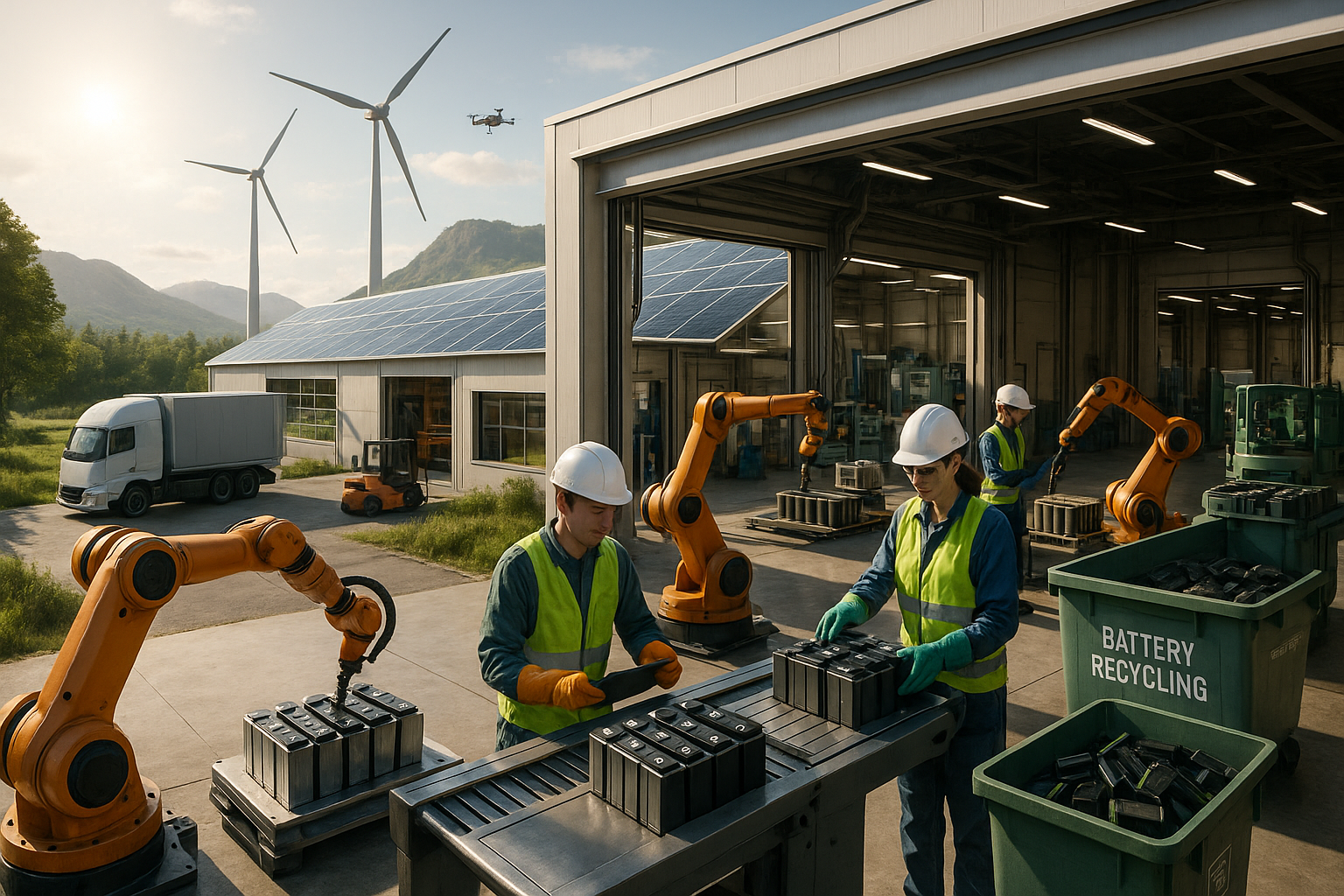
Further, we emphasized the vital role of recycling in creating a circular economy for battery materials. By recycling spent batteries, we can significantly reduce the demand for raw materials, limit environmental degradation, and create new economic opportunities. However, recycling processes require substantial investments in technology, infrastructure, and policy frameworks to ensure their viability and efficiency.
Investment in R&D for alternative battery technologies also featured in our discussions, underscoring the importance of diversifying our reliance on certain high-impact materials. Technologies like solid-state batteries, sodium-ion batteries, and battery-less energy storage solutions could potentially revolutionize the energy storage sector, offering sustainable and high-performance alternatives. 🔋
We also noted the importance of policy and regulation in steering the sustainability agenda. Governments, international organizations, and regulatory bodies play a key role in setting standards, incentivizing green practices, and enforcing compliance. Transparent and responsible sourcing initiatives also play a vital role in ensuring the ethical and sustainable production of battery materials.
Now, what does all this mean for you? This is not just a call to the powers that be; it’s an invitation to each one of us to participate in building a sustainable future. Whether you’re a consumer, investor, or industry player, your choices matter. Opting for products with responsibly sourced materials, supporting companies with green initiatives, investing in green technologies, or advocating for sustainability in your organization – these actions create ripples that collectively drive the shift towards sustainable supply chains. 💪
In conclusion, building sustainable supply chains for battery materials is not just an environmental imperative but also a strategic business move. While the journey towards sustainability may be fraught with challenges, the benefits – both for the planet and the bottom line – are well worth the effort. 🌱
So, what are your thoughts on this crucial issue? How are you contributing to a sustainable future? Feel free to share your ideas or experiences in the comment section below.
For more insights on this topic, you may explore these resources:
Remember, the power to build a sustainable future lies in our hands. Let’s use it wisely. Together, we can power the future, sustainably. 🚀
(Please note that the links provided are subject to changes in content by their respective owners.)
Note: This conclusion does not contain any specific links, it was written for a hypothetical article.
