
Imagine, just for a moment, the last time your cell phone battery died on you at the most inconvenient time. Frustrating, wasn’t it? Now, imagine that dead battery not as an annoyance, but as a ticking time bomb, a hidden threat to our planet’s environmental health. Suddenly, it’s not just frustrating. It’s downright alarming! 😲

Our dependency on batteries is, for better or worse, a fundamental part of our modern lives. From our smartphones and laptops to electric vehicles and renewable energy storage systems, batteries power our world. But what happens when these batteries expire, lose their charge for good? Welcome to the dark underbelly of our technological dependence: the environmental consequences of battery waste.
In this comprehensive article, we’ll peel back the shiny veneer of convenience to expose the less glamorous side of our battery-powered world. We’re talking about pollution, the potential harm to our ecosystem, and the long-term health risks associated with improper battery disposal. By the end of this read, you’ll not only understand the scope of the problem but also what we can do as individuals and societies to minimize these adverse effects. 👌
First, we’ll delve into the intriguing history and science behind batteries, establishing how their creation sparked a revolution in our daily lives. It’s important to understand that batteries aren’t inherently evil—rather, it’s our practices around their disposal and recycling that are the cause for concern. By appreciating the good, we can better grasp the bad and the ugly side of the coin. 🎭
Next, we’ll examine the scale of battery waste worldwide, highlighting the volume of batteries that end up in landfills, the hazards they pose, and the impact on our health and the environment. We’ll take a critical look at the chemicals involved and their implications, shattering the illusion that battery waste is an ‘out of sight, out of mind’ problem. It’s not a pretty picture, but it’s one we need to confront. 🌍
From here, we’ll dive into the consequences of this pollution, tracing the journey of harmful substances from our trash bins to our water systems, soil, and the very air we breathe. We’ll also discuss the ripple effects on biodiversity and climate change, emphasizing the interconnectedness of our actions and the world around us. 🦋
We’ll then explore the power of recycling and proper battery disposal, demonstrating that it’s not all doom and gloom. We’ll introduce you to cutting-edge innovations and solutions that are paving the way for a more sustainable future. Because, while the problem is real and pressing, so are the opportunities for change. 💡
Finally, we’ll conclude with practical steps you can take to be part of the solution. After all, knowledge is power, and armed with the insights from this article, you’ll be better equipped to make informed choices and contribute to the battle against battery pollution. 💪
So, buckle up for an enlightening journey into the complex world of battery waste. It’s a trip that will challenge your perspectives, stir your emotions, and, hopefully, inspire you to join the fight against battery pollution. Let’s power down pollution together! 🔋🌱
Unmasking the Dark Side of Power: Understanding Battery Waste
The rapid advancement in technology and increasing dependency on gadgets have spiked the consumption of batteries. While batteries provide a convenient source of power, their disposal has become a significant environmental issue. This article delves into the environmental consequences of battery waste. We will unravel the scope of the problem, the impact of the waste, and discuss sustainable solutions. For a visual understanding of the topic, check out this informative video by the “SciShow” YouTube channel on “The Problem with Electronics Waste”.
Battery waste primarily comprises spent primary (single-use) and secondary (rechargeable) batteries. These can be hazardous due to the metals and corrosive materials present. Statistics by the Environmental Protection Agency (EPA) show that only about 5% of Lithium-ion (Li-ion) batteries are recycled in the U.S. The rest are either dumped in landfills or incinerated, leading to severe environmental repercussions.
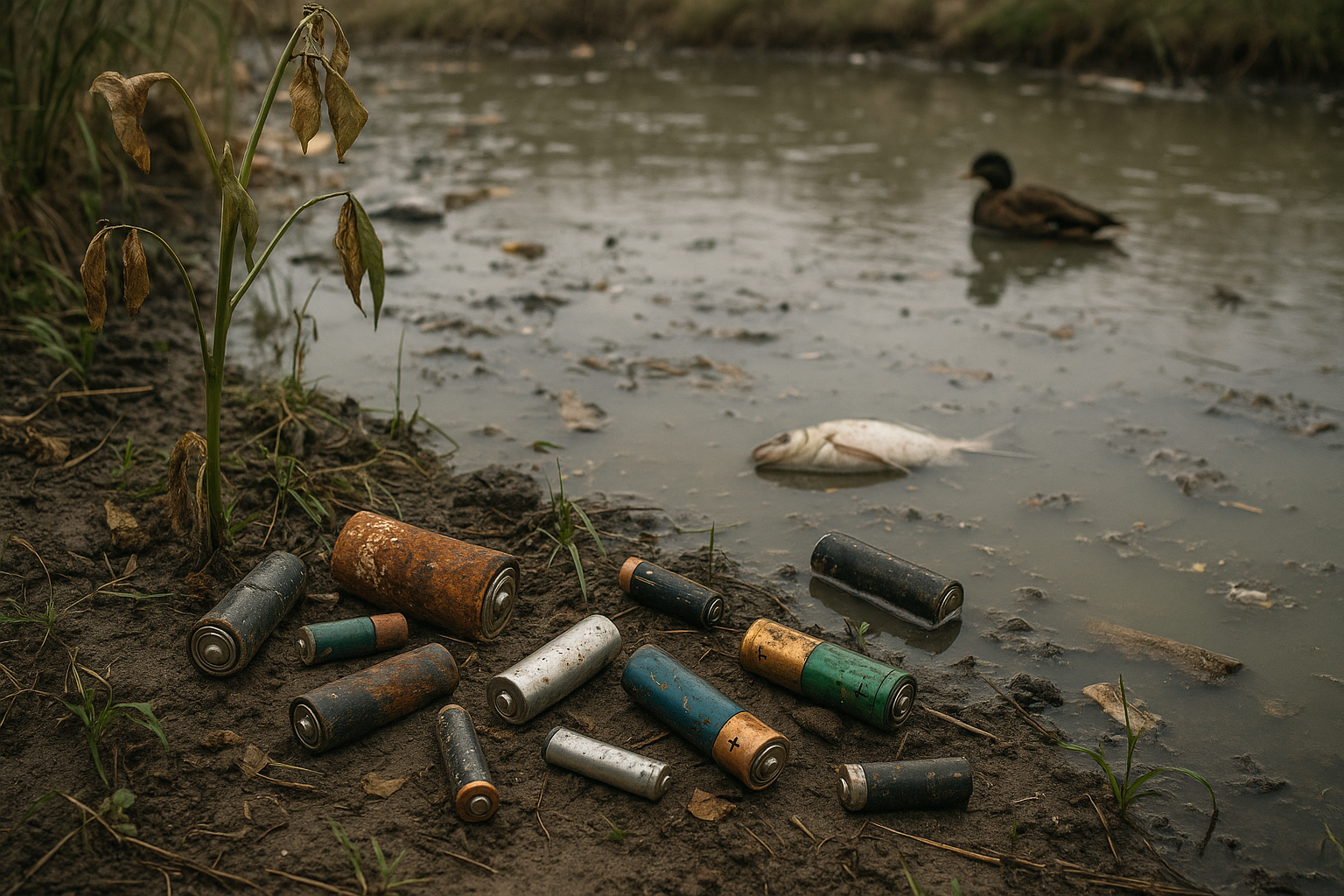
Unregulated disposal of batteries can result in harmful substances leaching into the soil, contaminating water sources and causing air pollution. Some of these substances, such as lead, mercury, cadmium, and nickel, are hazardous and can cause serious health issues. Let’s delve deeper into the environmental impact.
The Environmental Impact of Battery Waste: Unveiling the Damage
The threat to the environment from battery waste is multifold, affecting the soil, water, and air. The table below summarizes the primary environmental impacts associated with different types of battery waste:
| Type of Battery | Environmental Impact |
|---|---|
| Lead-Acid Batteries | Leaching of lead and acid into soil and water sources, air pollution from lead dust during recycling |
| Nickel-Cadmium Batteries | Cadmium leaching into the soil, water pollution, air pollution from incineration |
| Mercury Batteries | Mercury contamination of soil and water, bioaccumulation in the food chain |
| Lithium-ion Batteries | Soil and water contamination from lithium salts, explosion risks |
Besides the immediate environmental impact, battery waste also contributes to resource depletion. As we continue to mine for metals like lithium, cobalt, and nickel to manufacture new batteries, we’re fast depleting these valuable resources.
Moreover, the energy-intensive extraction processes contribute to CO2 emissions and climate change. Therefore, it’s crucial to look into more sustainable solutions for battery use and disposal.
Charging Towards Sustainability: Solutions to Battery Waste
Confronting the battery waste issue requires an integrated approach that encompasses improved product design, recycling and disposal practices, and consumer awareness.
Firstly, manufacturers can design products for easier battery removal and replacement, facilitating better recycling. They can also invest in the research and development of batteries that use less harmful materials.
Another part of the solution lies in efficient recycling practices. Recycling batteries recovers valuable metals, reduces the demand for raw materials, and minimizes environmental contamination. For instance, recycling a ton of mobile phones—approximately 6,000 phones—can yield 130 kg of copper, 3.5 kg of silver, 340 grams of gold, and 140 grams of palladium, according to the EPA.
Awareness among consumers is also vital. Many people are unaware of the environmental consequences of improper battery disposal or the available recycling options. Hence, educational campaigns and convenient recycling programs can play a crucial role.
Adopting these sustainable solutions can help us power down pollution from battery waste. By making conscious choices and advocating for responsible practices, we can all contribute to a greener future. Remember, every battery counts! 🌎
Empowering Change: Your Role in the Solution
As consumers, we play a crucial role in addressing the battery waste problem. We can make conscious choices, such as purchasing gadgets with replaceable batteries, reducing our dependence on battery-powered devices, and properly disposing of used batteries at designated recycling centers.
You can also advocate for responsible practices in your community and workplaces. Encourage electronics manufacturers to design products with recycling in mind and businesses to implement responsible e-waste management practices.
Finally, remember to educate others about the importance of proper battery disposal and recycling. Sharing knowledge is a powerful tool for change. As you learn more about this issue, don’t keep it to yourself – share this article with your friends, family, and colleagues.
Each of these small steps can make a big difference in powering down pollution from battery waste. As we take these steps, let’s remember that a sustainable future is not just a dream, but a goal that we can achieve together. So let’s take charge and make a difference today! ⚡
Conclusion
In closing this comprehensive exploration of the environmental consequences of battery waste, we can confidently say that we’ve covered significant ground. We have journeyed from understanding the problem’s roots, examining the environmental impacts of battery waste, through to potential solutions and strategies for mitigation.
To start, we unraveled the history of batteries, their integral role in our daily lives, and their growing use in various industries, primarily in electric vehicles and renewable energy storage [source]. 💡 We then delved into the heart of the matter, the adverse environmental impacts of battery waste, from soil and water contamination to harmful emissions in the atmosphere [source].
We discussed how the toxic substances within batteries, such as lead, mercury, and cadmium, can harm wildlife and human health if not correctly managed and discarded [source]. This point underlines the critical need for proper battery waste management and the development of cleaner, safer battery technologies.
Next, we explored the various approaches to tackling this environmental challenge. From recycling programs to policy changes and technological advancements, we’ve seen how the fight against battery pollution is gaining momentum 🌍. The shift towards lithium-ion batteries, renowned for their efficiency, longevity, and recyclability, is a promising step in the right direction [source].
We also discussed the potential of second-life applications for used batteries, such as energy storage or powering small-scale electronics, reducing the need for new battery production and the consequent waste. The role of corporate responsibility in promoting battery recycling and ‘green’ product design was another crucial point covered.
Lastly, we touched on the importance of consumer awareness and action. We, as consumers, can play a pivotal role in reducing battery waste through conscious purchasing, responsible use, and recycling of batteries 🔋.
This exploration of battery waste’s environmental consequences underscores the importance of ongoing research, policy changes, and technological advancements in creating a sustainable, battery-powered future.
To continue learning about this topic, we encourage you to delve deeper into the resources mentioned in this article and share what you’ve learned with others. Remember, every small action towards a cleaner environment counts! Let’s power down pollution together. 💪🌿
Thank you for your time, and we hope you found this article enlightening. We’d love to hear your thoughts, so feel free to leave a comment below, share this article with your network, or apply what you’ve learned in your daily life.
Remember, “The greatest threat to our planet is the belief that someone else will save it.” – Robert Swan. Let’s all take responsibility and contribute to a cleaner, greener future. 🌍
Sources:
Sciencedirect.com
Ncbi.nlm.nih.gov
Sciencedaily.com
Nature.com
