
Let’s talk about power ⚡️. No, not the kind that sits on a throne, but rather the kind that silently and tirelessly keeps our digital world spinning. Whether it’s your smartphone 📱, your laptop 💻 or the electric vehicle parked in your driveway 🚗, energy storage solutions are the unsung heroes behind most of our modern technologies. But as our reliance on these devices continues to grow, so too does the demand for more efficient, more sustainable, and more powerful energy storage solutions. Enter the post-lithium era!

For years, lithium-ion batteries have been the go-to solution for powering our gadgets and gizmos. They’re lightweight, rechargeable, and capable of holding a charge for a relatively long time. However, as impressive as these batteries are, they’re not without their flaws. Lithium is a limited resource, extraction can be environmentally damaging, and let’s not forget the occasional headlines about spontaneous combustion 🔥. As such, the search for post-lithium energy storage solutions has become a top priority for scientists and engineers around the world.
In this comprehensive guide, we will delve into the evolution of post-lithium energy storage solutions, exploring the innovative technologies that are set to redefine the future of power. From sodium and magnesium-based batteries to cutting-edge solid-state and flow batteries, we will demystify the science behind these next-generation power sources. We will also shed light on the various challenges and opportunities that these emerging technologies present. So, buckle up for a deep dive into the future of energy storage ⚙️🔋.
The Rise of Alternative Energy Storage Solutions
The first stop on our journey into the post-lithium era is the exciting world of alternative battery chemistries. Sodium, magnesium, aluminum, and zinc are just some of the elements that scientists are eyeing as potential successors to lithium. Each of these alternatives brings its own set of advantages to the table, from abundant availability to improved safety features. We will explore these alternatives in detail, examining the strides made in harnessing their energy-storing potential.
Charging Ahead with Solid-State and Flow Batteries
Moving beyond traditional battery designs, we will also dive into the realm of solid-state and flow batteries. These futuristic technologies hold the promise of significantly higher energy densities and longer lifespans, potentially revolutionizing everything from electric vehicles to renewable energy storage. We’ll provide a clear, accessible breakdown of how these technologies work, and why they’re generating so much excitement in the scientific community.
Overcoming the Challenges of Post-Lithium Energy Storage
Of course, no journey into the future is without its share of hurdles. From technical limitations to economic factors, the road to post-lithium energy storage is paved with challenges. But rest assured, we will guide you through these complexities, providing expert insights into how researchers are tackling these issues and the progress they’ve made so far.
So, if you’re ready to power up your knowledge of post-lithium energy storage solutions, you’re in the right place. Let’s embark on this electrifying journey together. The future of power is here, and it’s brighter 💡 and more sustainable 🌍 than ever before. Stay tuned!
🔋 Introduction to Post-Lithium Energy Storage Solutions
As the world transitions towards greener, more sustainable energy solutions, the importance of energy storage systems cannot be overstated. Lithium-ion batteries have dominated this space for years, powering everything from smartphones to electric vehicles. However, the future beckons for innovative alternatives. In this article, we will explore the evolution of post-lithium energy storage solutions, their potential benefits, and how they could power the future. Let’s dive in!
These alternative energy storage solutions promise to address many of the limitations of lithium-ion batteries. Lithium-ion batteries have a finite lifespan, are potentially hazardous if damaged or improperly disposed of, and their performance can degrade over time. Also, the extraction of lithium is fraught with environmental concerns. Therefore, the pursuit of post-lithium energy storage solutions is not just about improved performance, but also about sustainability and environmental preservation.
But what exactly are these post-lithium solutions? What makes them different or potentially better than lithium-ion batteries? We’ll explore these questions and more as we delve into the world of post-lithium energy storage.
🔬 The Science Behind Post-Lithium Energy Storage
Before we delve into specific post-lithium technologies, it’s important to understand the science that underpins them. Essentially, these solutions aim to store and release energy in a manner similar to lithium-ion batteries, but without relying on lithium as the primary component. This can involve different chemical reactions, new materials, or novel approaches to energy storage.
One prominent area of research focuses on replacing lithium with other elements in the periodic table. Sodium, magnesium, and aluminum have all been considered due to their high abundance, potential for high energy density, and reduced environmental impact. Other approaches involve entirely new ways of storing energy, such as flow batteries or solid-state batteries.
For a deeper dive into the science of these technologies, check out this informative video from the YouTube channel “Seeker” titled “Why We’re Racing to Invent the Next Best Battery”. This video provides an excellent overview of the different approaches to post-lithium energy storage and the science behind them.
🚀 Emerging Post-Lithium Energy Storage Solutions
Now that we’ve covered the science behind these technologies, let’s explore some of the most promising post-lithium energy storage solutions that are currently being developed.
Sodium-Ion Batteries
Sodium-ion batteries function similarly to their lithium-ion counterparts but use sodium ions instead of lithium ions. Sodium is much more abundant than lithium, making these batteries potentially cheaper and more sustainable to produce. Current research is focused on improving the performance and stability of these batteries to make them a viable alternative to lithium-ion batteries.
Flow Batteries
Flow batteries store energy in liquid electrolytes that are contained in separate tanks. This design allows for greater scalability and longer lifetimes than conventional batteries. While they are typically larger and less energy-dense than lithium-ion batteries, their potential for long-duration energy storage makes them an exciting prospect for grid-scale applications.
Solid-State Batteries
Solid-state batteries replace the liquid electrolyte found in traditional batteries with a solid material. This change can improve safety, increase energy density, and extend battery life. While there are still challenges to be overcome in terms of manufacturing and cost, many believe that solid-state batteries represent the future of energy storage.
To see these technologies in action, I recommend watching the YouTube video “The Battery Revolution. End of Gasoline?” from the channel “Real Engineering”. This video offers a great visual explanation of these technologies and their potential impact on the future of energy storage.
🔍 Comparing Post-Lithium Energy Storage Solutions
Comparing these different post-lithium energy storage solutions can be complex due to the wide range of factors to consider. To aid in this comparison, the following table presents some key characteristics of each technology.
| Technology | Advantages | Disadvantages |
|---|---|---|
| Sodium-Ion Batteries | Abundant raw material, potentially cheaper, similar to existing technology | Currently lower performance than lithium-ion, stability issues |
| Flow Batteries | Scalable, long lifespan, potential for long-duration storage | Large size, less energy dense, currently expensive |
| Solid-State Batteries | Improved safety, higher energy density, longer lifespan | Manufacturing challenges, high cost |
While it is clear that these technologies have their strengths and weaknesses, it is also evident that they each offer unique possibilities for the future of energy storage. As research continues and these technologies mature, we can expect to see exciting developments in this space.
⚡ Powering the Future: What Lies Ahead?
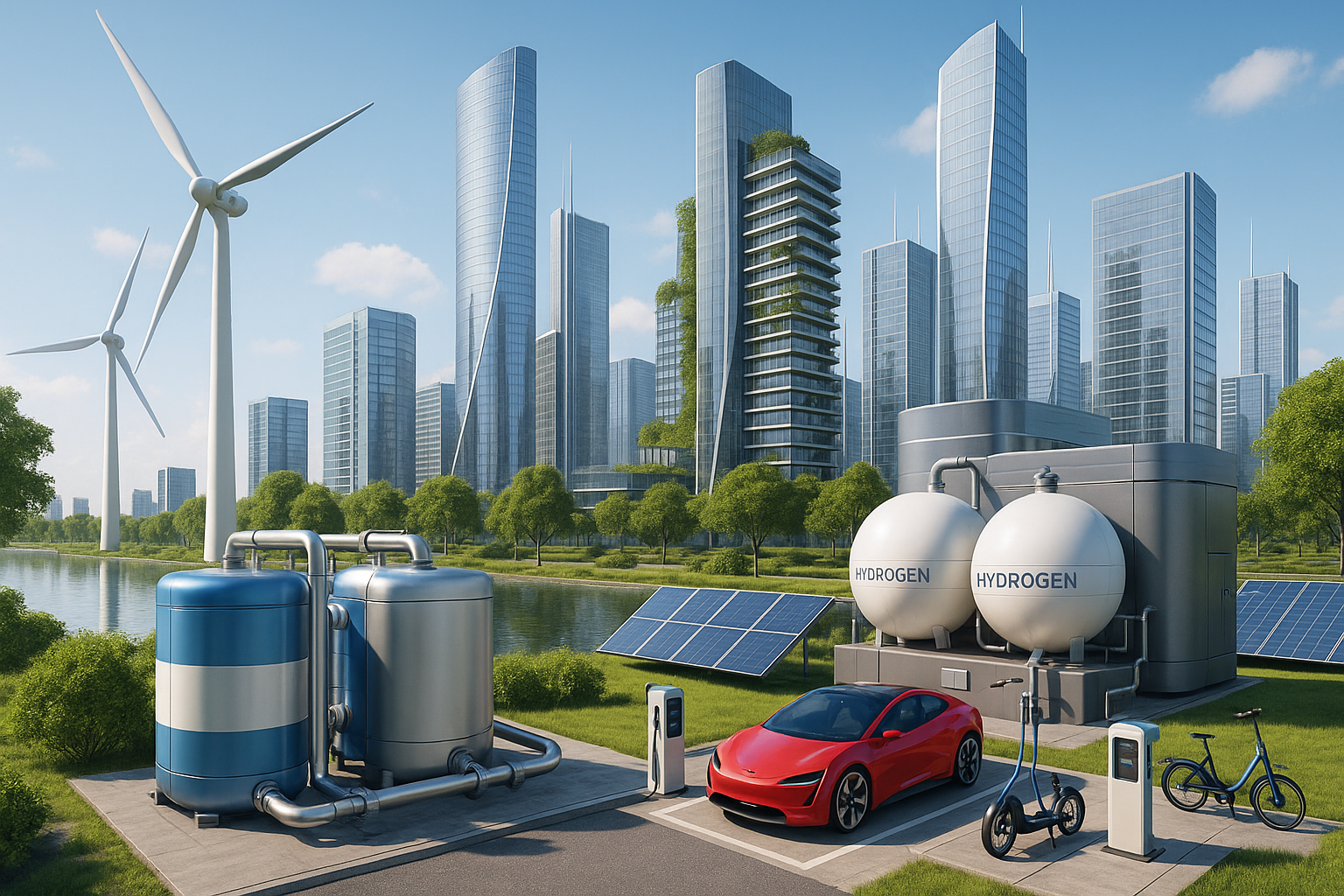
The transition towards a more sustainable and efficient energy future relies heavily on the evolution of energy storage solutions. While lithium-ion batteries have played a vital role in this transition, it is clear that the future will need a range of solutions to meet different energy needs.
The potential of post-lithium energy storage technologies is vast. From potentially cheaper and more sustainable sodium-ion batteries, to scalable flow batteries for grid storage, and safer, more efficient solid-state batteries, the future of energy storage looks promising.
Yet, these solutions are not without their challenges. Overcoming technical hurdles, reducing costs, and scaling up production will be key to the adoption of these technologies. However, with continued research and innovation, these post-lithium solutions could indeed power the future.
For a detailed outlook on the future of energy storage, check out the YouTube video “What’s the Future of Energy Storage?” from the channel “Just Have a Think”. This video offers a comprehensive look at the role of energy storage in the transition towards a more sustainable energy future.
Conclusion
In wrapping up our deep dive into the evolution of post-lithium energy storage solutions, it’s imperative to revisit the key points of this detailed analysis. The world is moving at a rapid pace, and our energy needs are evolving just as quickly. Our longstanding reliance on lithium-ion batteries has served us well for decades, but as our energy needs grow, so too does our need for more efficient, safer, and sustainable power sources.
The energy storage landscape is transforming right before our eyes, with innovations and advancements that are rapidly superseding the capabilities of traditional lithium-ion batteries. This article covered a myriad of groundbreaking energy storage solutions, including solid-state batteries, sodium-ion batteries, graphene batteries, and multivalent batteries. Each of these innovative technologies brings with it a wealth of benefits, such as enhanced energy density, improved safety, reduced cost, and greater sustainability 🌍.
Solid-state batteries, with their non-flammable electrolytes, offer greater safety compared to their lithium counterparts. Sodium-ion batteries, by utilizing an abundant and inexpensive element, promise lower costs and higher accessibility. Graphene batteries, with their astounding electrical conductivity, bring to the table unparalleled energy density and charge speed ⚡. Multivalent batteries, through their multiple-electron transfer mechanism, herald a future of high energy storage capacity.
Furthermore, the potential applications of these post-lithium energy storage solutions are vast and diverse. From powering electric vehicles to storing renewable energy for grid usage, these technologies are set to revolutionize our energy infrastructure.
However, it’s crucial to remember that this transition will not happen overnight. There are many challenges to overcome, including technical hurdles, market acceptance, and regulatory compliance. As we march towards this new energy era, collaboration between researchers, manufacturers, policymakers, and end users will be essential to address these challenges and capitalize on the opportunities ahead 💪.
In conclusion, the evolution of post-lithium energy storage solutions is not just about replacing an old technology with a new one. It’s about reshaping our energy future, making it more efficient, safer, and more sustainable. It’s about powering our homes, our vehicles, and our industries in a way that respects our planet and safeguards our future. And, as we’ve seen throughout this article, the journey towards that future is well underway.
But, we’d love to hear your thoughts on this. Which of these post-lithium technologies excites you the most? What do you think are the key challenges and opportunities? Feel free to comment below and share this article with your friends, colleagues, and fellow energy enthusiasts. Let’s keep the conversation going 🗣️.
