
In an era where connectivity and mobility intertwine, the demand for power solutions that can keep pace with our dynamic lifestyles has never been more critical. From smartphones to smartwatches, every device we carry is a lifeline to the digital world, yet the fear of a ‘dead battery’ can bring us to a standstill. 📱 This article delves deep into the transformative sphere of portable and wearable energy storage solutions, exploring how these technologies are not only shaping our present but paving the way for a more empowered future.

Imagine a day where your jacket not only protects you from the cold but also charges your smartphone. Or a world where your watch doesn’t just tell time, but also keeps your earbuds charged. These scenarios are not fragments of a sci-fi movie but are fast becoming a reality thanks to advancements in energy storage technologies. As we explore these innovations, we will delve into how they are designed to provide freedom from the constraints of traditional power sources and offer a glimpse into a future where energy is available, literally at our fingertips.
The evolution of energy storage solutions is closely linked to the surge in wearable technology. The market for wearables is expected to grow exponentially, driven by consumer demand for fitness trackers, health monitors, and other connected devices that require reliable, long-lasting power sources. This surge is pushing the boundaries of battery technology, compelling manufacturers and researchers to develop storage solutions that are not only smaller and lighter but also more efficient and environmentally friendly.
One key area of focus is the development of advanced battery materials. Researchers are continually on the hunt for materials that can offer higher energy density and faster charging capabilities while maintaining safety and durability. Graphene and solid-state batteries are just a couple of the promising candidates that could revolutionize how energy is stored and used in portable devices. These technologies promise to enhance the energy efficiency of devices, reduce charging times, and potentially eliminate the anxiety associated with low battery levels.
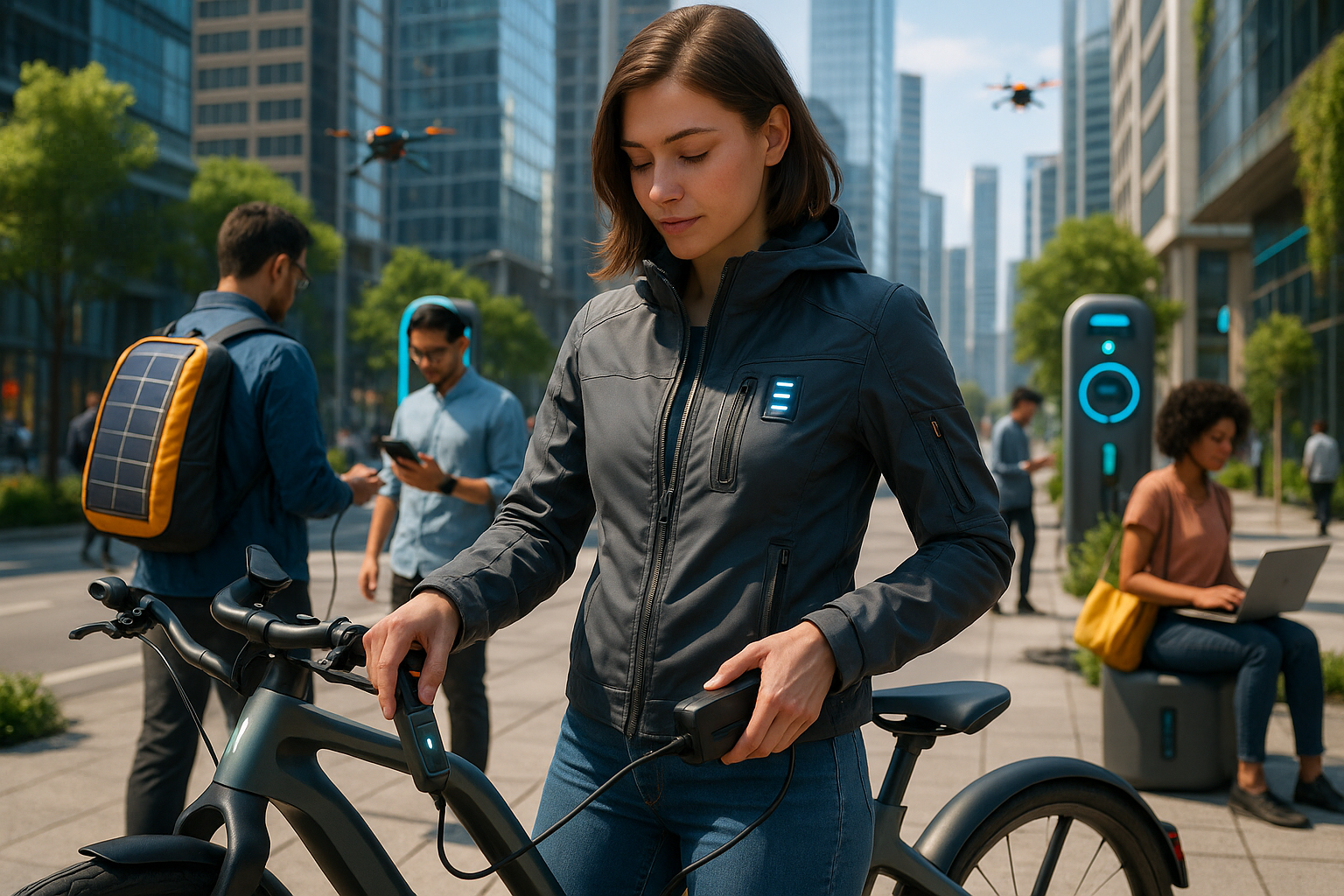
Furthermore, the integration of renewable energy sources with portable and wearable devices is an exciting frontier. Solar-powered charging panels integrated into backpacks or clothing are already in use, but what lies ahead could dramatically alter our approach to personal energy consumption. Innovations such as kinetic energy harvesting—where energy is generated through movement—or thermoelectric generators that convert body heat into electricity, are under development. These technologies could lead to devices that are perpetually powered, as long as the wearer is moving.
But what are the implications of these technologies for consumer privacy and security? As devices become more autonomous and self-sustaining, they also generate and store more data about their users. The potential for data breaches increases unless new security measures are implemented alongside these technological advancements. This aspect raises important questions about the balance between convenience and privacy, a topic we will explore in depth.
In addressing these points, this article will provide an extensive overview of the current state of portable and wearable energy storage solutions, spotlight emerging technologies, and discuss the challenges and opportunities they present. We will also consider the environmental impact of these technologies, evaluating how sustainable they are and what can be done to make them even greener.
The future of portable and wearable energy storage is not just about powering devices; it’s about empowering people. As we become increasingly mobile and our reliance on electronic devices grows, the demand for advanced energy solutions will only escalate. This exploration will not only inform you of the technological strides being made but also inspire you to envision a future where energy limitations are a thing of the past.
So, join us as we unpack these exciting advancements and consider what they mean for our daily lives and for the future of our planet. Whether you’re a tech enthusiast, a sustainability advocate, or just someone curious about the next big thing in technology, this deep dive into portable and wearable energy storage solutions is sure to spark your interest and ignite your imagination. 🔋 Let’s explore together how we can keep our devices, and ourselves, powered on the go.
Revolutionizing Mobility: The Surge of Wearable Energy Storage
As we step into the future, the evolution of energy storage technology is rapidly shaping how we interact with our gadgets and devices. Wearable energy storage isn’t just a fantasy from science fiction; it’s becoming a tangible solution that promises to transform our daily lives. This segment explores the innovative advances in wearable energy technologies, their applications, and how they are poised to revolutionize personal mobility and health monitoring.
One of the key components driving this revolution is the development of flexible, lightweight batteries that can be integrated into clothing or worn on the body. These batteries not only need to be efficient but also safe and comfortable for continuous wear. Innovations such as thin-film batteries and stretchable supercapacitors are leading the way, offering new possibilities for powering devices seamlessly integrated into our daily attire.
The impact of these technologies extends beyond convenience; they are pivotal in healthcare advancements. Wearable energy storage devices can power heart monitors, fitness trackers, and even drug delivery systems, ensuring that health monitoring can be constant, without the need for bulky and intrusive equipment.
Emerging Technologies in Wearable Batteries
- Thin-Film Batteries: These batteries are incredibly slim and can be easily integrated into flexible materials, making them ideal for smart clothing and accessories.
- Stretchable Supercapacitors: These devices can stretch and flex, making them perfect for incorporation into wearables without sacrificing performance.
- Energy-Harvesting Clothes: These clothes capture kinetic energy from movement or solar energy from light, converting it into usable electrical energy.
Real-World Applications and Their Impact
Consider the potential of a smartwatch that never needs to be taken off for charging, or a health monitor woven into the fabric of everyday clothing. These devices can continuously collect data, offering unprecedented insights into personal health and fitness. Moreover, they play a crucial role in remote healthcare, providing real-time data to medical professionals and alerting wearers to potential health issues before they become severe.
Portable Energy Storage: Power Where You Need It Most
Portable energy storage solutions are more crucial than ever in our increasingly mobile world. From powering smartphones and laptops to providing emergency power during natural disasters, the need for efficient and portable power solutions is evident. This section delves into the latest advancements in portable energy storage, highlighting the technologies that are making these solutions more effective and accessible.
Key to these advancements are developments in battery technology, such as lithium-ion batteries with higher energy densities and solid-state batteries that offer improved safety and longevity. These technologies are not just enhancing the way we use our portable devices but are also crucial for applications in electric vehicles and renewable energy systems.
Moreover, the integration of smart technology into portable energy storage systems is opening up new avenues for managing power use and storage, making these systems more user-friendly and efficient. For instance, smart portable chargers can now optimize charging speeds and power allocation based on the devices’ needs and the available energy resources.
Leading Technologies Enhancing Portable Power
- Lithium-Ion Batteries: Known for their high energy density and efficiency, these batteries are continually being improved for longer life and faster charging times.
- Solid-State Batteries: These batteries use a solid electrolyte, which enhances safety by eliminating flammable liquid electrolytes.
- Smart Energy Management: Smart systems that can effectively manage and distribute stored energy based on real-time analysis and needs.
Impact on Everyday Life and Environmental Sustainability
The enhancement of portable energy storage not only makes our gadgets more efficient but also contributes to environmental sustainability. By enabling more effective use of renewable energy sources and reducing reliance on fossil fuels, these technologies help decrease carbon emissions and promote a greener future.
Power On the Go: A Look at the Best Portable and Wearable Energy Devices
As technology continues to evolve, choosing the right portable or wearable energy storage solution can be daunting. This section provides a detailed comparison of some of the top products on the market, helping you understand which devices best meet your needs for mobility, efficiency, and sustainability.
From high-capacity portable chargers to innovative wearable solar panels, the variety of available devices is impressive. Each product offers unique features and benefits, tailored to different lifestyles and requirements. Whether you’re a frequent traveler, a fitness enthusiast, or someone who values eco-friendly technologies, there’s a device that fits your needs.
For those interested in the technical details, here’s a comparative table that breaks down the key features and specifications of leading portable and wearable energy storage devices:
| Device Type | Capacity | Weight | Special Features |
| Portable Charger | 20,000 mAh | 500g | Solar Charging, Multiple Ports |
| Wearable Solar Panel | N/A | 300g | Flexible, Waterproof |
| Smartwatch with Integrated Battery | 500 mAh | 100g | Heart Rate Sensor, GPS |
Choosing the Right Device for You
When selecting a portable or wearable energy device, consider your primary use cases. Are you looking for a device that can keep your smartphone charged during a long day of travel? Or are you in need of a wearable device that can monitor your health and fitness without frequent recharges? Understanding your needs will guide you to the best choice.
Also, consider the ecological impact of the device. Many companies are now focusing on creating products that are not only efficient but also made from sustainable materials. Opting for these can help reduce your carbon footprint while still enjoying the latest technology.
For a closer look at how these devices work in real life, watch the video titled “Top 10 Portable Energy Storage Solutions” on the YouTube channel Energy Innovators. This video provides valuable insights and real-world applications of the devices discussed above.
Future Trends in Energy Storage Technology
As we look to the future, the trends in energy storage technology show a clear path towards even more compact, efficient, and environmentally friendly solutions. Innovations such as graphene batteries and AI-enhanced energy management systems are on the horizon, promising to further enhance the capabilities and sustainability of portable and wearable devices.
Stay tuned to the latest developments by following industry leaders and technology news platforms. As these technologies evolve, they will continue to change the landscape of how we use and store energy in our daily lives, making it more integrated, efficient, and sustainable.
Conclusion
As we wrap up our exploration of the cutting-edge world of portable and wearable energy storage solutions, it’s clear that this field is not just about technological advancements—it’s about redefining how we interact with energy in our daily lives. From smartphones to smartwatches, and from electric vehicles to medical devices, the demand for more efficient, longer-lasting, and more sustainable energy solutions is booming.
Throughout this article, we’ve delved into the significant strides being made in battery technology, with a particular focus on developments in lithium-ion batteries and alternative materials like graphene and solid-state electrolytes. These innovations promise not only to improve the capacity and safety of batteries but also to reduce environmental impact, offering a greener alternative to traditional energy storage methods.
Moreover, we’ve seen how wearable technology is integrating seamlessly into the fabric of everyday life, providing not just convenience but also essential health monitoring and data collection capabilities. The synergy between wearable tech and advanced energy storage is paving the way for devices that are as powerful as they are wearable.
However, challenges remain. Issues such as cost, scalability, and the ecological footprint of manufacturing processes are hurdles that still need addressing. But the potential benefits—like enhanced connectivity, improved health outcomes, and a push towards renewable energy sources—underscore the importance of continued investment and research in this area.
I encourage you to share your thoughts and insights on this topic. Have you experienced the benefits of advanced portable or wearable energy solutions firsthand? Or perhaps you’re involved in research or development in this field? Your comments and shares can help propel this discussion forward, bringing more awareness and fostering more innovation in this exciting area of technology.
Let’s keep the conversation going. Share this article with your peers, discuss it in your professional circles, and let’s harness the collective intellect to optimize and innovate in the sphere of portable and wearable energy storage. Remember, the future is not just something we enter; it’s something we create. 🌟
For those looking to dive deeper into this subject, consider exploring additional resources and staying updated with recent studies and breakthroughs. Your engagement and proactive efforts can truly make a difference as we march towards a more energy-efficient and technologically empowered future.
