
In the era of non-stop connectivity and fitness consciousness, smartwatches and fitness bands have morphed from luxury items to essential parts of our daily lives. But with great power comes great responsibility – or in the case of wearable technology, great power consumption. The frustration of your device dying just when you need it most can disrupt your daily routine and workout schedules. Thankfully, technology has advanced, and self-charging smartwatches and fitness bands are entering the market, promising to keep us powered up without a constant need for plugging in.

Imagine a world where your watch charges while you go about your day, harnessing energy from your movements or even from sunlight. The latest innovations in self-charging technology mean that keeping your devices powered can be as effortless as putting them on in the morning. This article will delve deep into the world of self-charging smartwatches and fitness bands, exploring how they work, comparing top models, and evaluating whether they live up to the hype. 🚀
Firstly, we’ll uncover the magic behind the technology. How do kinetic energy and solar power get transformed into usable electrical energy to keep your watch ticking? We’ll break down the technical jargon into bite-sized, easy-to-understand pieces, ensuring you grasp the concept without needing a physics degree. Understanding the mechanism that drives these devices is crucial, as it impacts everything from the design to the functionality of the watch.
Next, we will review some of the leading models on the market. From established tech giants to innovative start-ups, a variety of brands are making waves in the self-charging arena. What makes one model superior to another? Is it the efficiency of its charging capabilities, its durability, or perhaps the suite of features it offers? 🕒 We will compare their performances, highlight their pros and cons, and help you determine which device might be the best fit for your lifestyle.
Moreover, the practicality of these devices comes under scrutiny. It’s vital to consider not just how well these watches perform under ideal conditions, but how they stand up to real-world use. Can a self-charging smartwatch handle the rigorous demands of a marathon runner, or the constant movements of a daily commuter? We’ll examine user reviews and expert tests to give you a clear picture.
Additionally, we’ll ponder the future of self-charging technology in wearables. With rapid advancements in technology, what can we expect to see in the next five years? Are there exciting developments on the horizon that could revolutionize how we interact with our gadgets even further? 🌟
Finally, we will discuss the environmental impact of these devices. As more consumers become environmentally conscious, it’s important to consider not only the personal benefits but also the global implications of adopting self-charging technology. Are these devices merely a convenience, or do they represent a significant step towards more sustainable consumer technology?
Whether you’re a tech enthusiast eager to keep up with the latest gadgets, a fitness buff looking for the best tools to enhance your workouts, or simply someone interested in sustainable technology, this article promises comprehensive insights into the exciting world of self-charging smartwatches and fitness bands. So, strap on your favorite wearable (or get ready to pick a new one) and let’s dive into the details of these innovative devices that promise to keep us powered up and moving forward, no charger necessary. 🌍🔋
Revolutionizing Wearable Tech: Self-Charging Smartwatches and Fitness Bands
In the era of mobile technology, smartwatches and fitness bands have emerged as pivotal devices, enhancing our daily lives with health tracking, mobile notifications, and even GPS navigation. However, the Achilles’ heel of these devices has often been their battery life. With the advent of self-charging technology, a new wave of innovation is set to transform the user experience. This in-depth exploration will delve into how self-charging mechanisms work in wearable devices, compare some of the leading products, and provide actionable insights on choosing the right device for your needs.
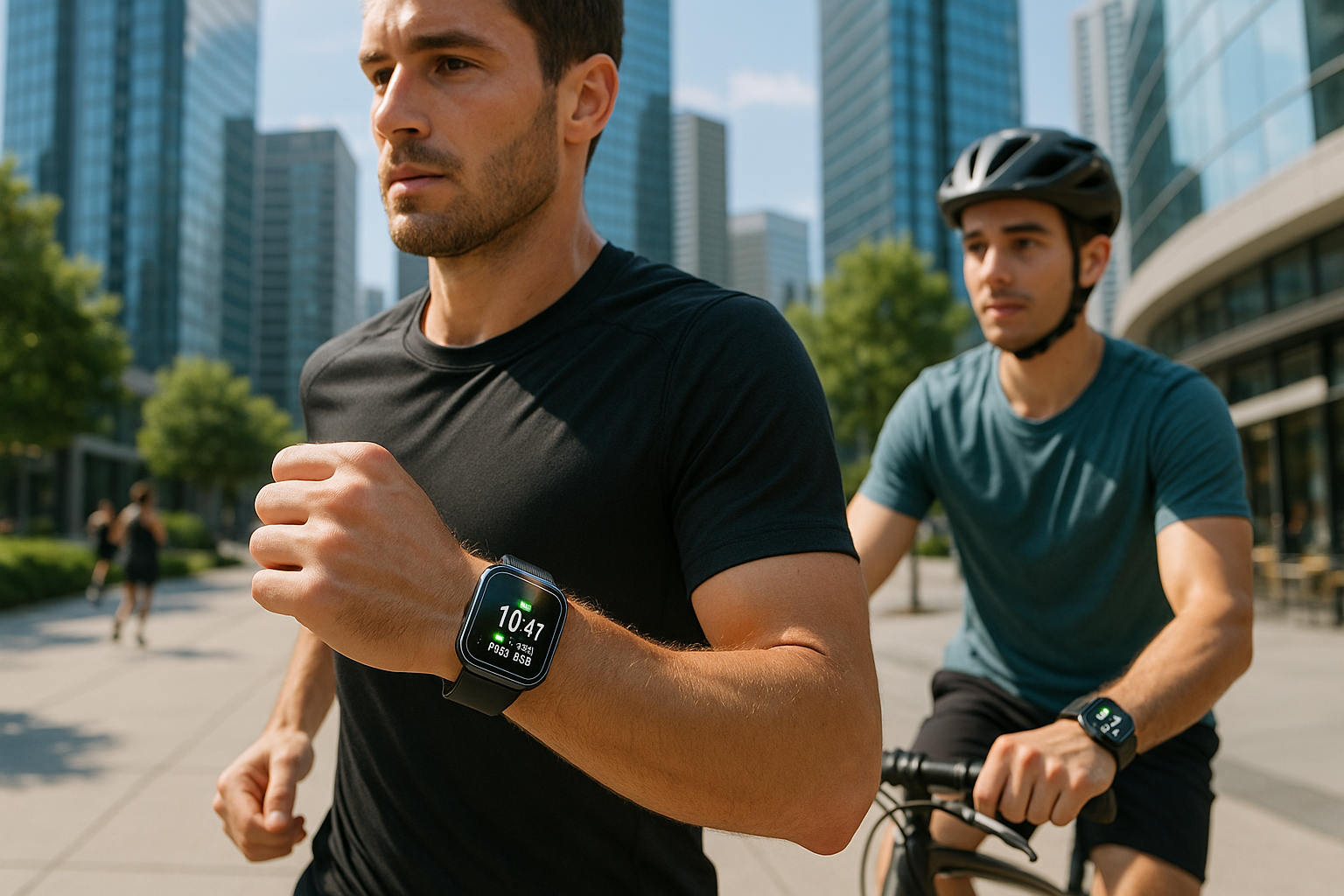
Self-charging wearables harness energy from various sources, including solar power, body heat, and kinetic energy. This means less reliance on manual charging and, importantly, a more sustainable approach to technology. Imagine going for a run or cycling through the city without worrying about your fitness tracker dying on you. The implications for sports enthusiasts, busy professionals, and tech aficionados are immense.
However, not all self-charging wearables are created equal. They vary significantly in terms of charging efficiency, functionality, and price. To help you navigate this burgeoning market, we’ll compare some of the top models currently available, examining their pros, cons, and ideal use cases. Stay tuned for a detailed table comparison that will break down these factors for you!
How Self-Charging Technology is Powering the Next Generation of Wearables
The principle behind self-charging wearables is simple yet profound. By converting everyday activities and natural resources into energy, these devices remain operational without the need for frequent plug-ins. Solar-powered smartwatches, for example, use photovoltaic cells to convert sunlight into electricity. On the other hand, kinetic-powered devices harness energy from your body movements, a technology that has been used in wristwatches for decades.
Thermal energy is another exciting avenue. Some cutting-edge models can convert body heat into electrical energy, keeping the device powered as long as the user wears it. These innovations not only enhance convenience but also push the boundaries of what wearable technology can achieve in terms of energy efficiency and environmental sustainability.
For a visual and more detailed explanation of how these technologies work, check out this YouTube video titled “Self-Charging Smartwatches – Future of Wearables” on the TechExplainer channel. It provides a clear and engaging overview of the mechanisms involved in self-charging wearables.
Top Contenders: Comparing the Best Self-Charging Smartwatches and Fitness Bands
As the market for self-charging wearables grows, choosing the right device can be daunting. To aid in this decision, we have compiled a detailed comparison of some of the leading self-charging smartwatches and fitness bands. This comparison focuses on battery life, charging method, features, and price, giving you a comprehensive view of what each model has to offer.
Firstly, consider the battery life and charging efficiency. While all self-charging devices aim to reduce dependency on manual charging, their effectiveness can vary. Some may only require supplemental charging once a week, while others can go for months without needing a power outlet. Additionally, the type of self-charging technology used (solar, kinetic, or thermal) plays a significant role in the overall user experience and suitability for different lifestyles.
Features are another crucial factor. Today’s wearables come packed with a range of functionalities, from basic fitness tracking to advanced features like stress management, sleep tracking, and even mobile payments. Depending on your needs, you might prioritize a robust health monitoring system over other features.
| Model | Charging Method | Battery Life | Key Features | Price |
|---|---|---|---|---|
| PowerWatch Series 2 | Thermal | Never needs charging | Fitness tracking, Sleep monitoring, GPS | $$ |
| SolarTime Smartwatch | Solar | 6 months (with exposure) | Health metrics, Notifications, Waterproof | $ |
| KineticPro Band | Kinetic | 3 months per charge | Step counter, Calorie tracker, Simple display | $ |
Refer to the table above to compare the specific features and pricing of various self-charging smartwatches and fitness bands. Whether you are a tech enthusiast or a fitness guru, this guide aims to help you find the perfect match for your lifestyle needs.
Choosing the Right Device for Your Lifestyle
Choosing the right self-charging wearable depends heavily on your daily activities and personal goals. For avid outdoors enthusiasts, a solar-powered watch might be the best choice, leveraging sunlight during outdoor activities. In contrast, if you spend most of your time indoors or in office settings, a thermal or kinetic energy-powered device could be more beneficial.
It’s also important to consider compatibility with other devices. Most wearables are designed to work seamlessly with smartphones, providing synced notifications and data tracking. Ensure that the device you choose is compatible with your phone’s operating system, whether it’s iOS, Android, or otherwise.
Lastly, think about durability and design. A robust, water-resistant smartwatch with a comfortable strap is crucial if you’re into water sports or rigorous physical activities. Meanwhile, for those who prefer a more discreet look, there are plenty of sleek, minimalist designs that don’t compromise on functionality.
Navigating Future Trends: What’s Next for Self-Charging Wearables?
The future of self-charging wearables is incredibly promising, with ongoing advancements in energy efficiency and integration capabilities. Researchers are continuously exploring new methods to harvest energy from the environment and the human body, aiming to make manual charging a thing of the past.
One exciting development is the integration of these wearables with other smart devices, creating a cohesive ecosystem that extends beyond fitness tracking. For example, future devices might control smart home systems, initiate payments, or even identify health issues based on predictive algorithms.
As technology evolves, the line between wearables and other mobile devices may blur, leading to even more innovative applications and functionalities. To stay updated on the latest developments in self-charging wearable technology, follow tech blogs and watch expert reviews online. This will not only keep you informed but also ensure that you make the most out of your smart devices.
In conclusion, the rise of self-charging smartwatches and fitness bands represents a significant leap forward in wearable technology. As you consider integrating these innovative devices into your lifestyle, take into account your personal needs, lifestyle preferences, and the comparative insights provided in this article. Remember, the right device is the one that best aligns with your daily life and helps you achieve your personal and professional goals.
Embrace Innovation: Step Into the Future with Self-Charging Wearables
The era of worrying about battery life on your wearable devices is coming to an end. With self-charging technology, the future looks bright, not just in terms of convenience, but also for sustainability and integration with the wider tech ecosystem. As you explore the possibilities, remember that the best wearable is one that fits seamlessly into your life, enhancing it without causing additional hassle.
Now is the perfect time to embrace this innovation. Check out the latest models, watch reviews, and compare features to find the perfect self-charging smartwatch or fitness band for you. Dive into the world of self-charging wearables and experience the future of technology today!
Conclusion: Embracing Innovation in Wearable Technology
In our comprehensive discussion on the latest advancements in self-charging smartwatches and fitness bands, we’ve covered a wide array of innovative features and technologies that define the current landscape of wearable devices. From solar power capabilities to kinetic energy conversions, the wearable industry is rapidly advancing, offering users more convenience and enhanced user experiences. The importance of these developments cannot be overstated, especially as our world becomes increasingly connected and health-conscious.
The evolution of wearable technology has reached a point where the annoyance of frequent charging is becoming a thing of the past. With the integration of self-charging capabilities, users can now enjoy extended device usage, which is particularly beneficial for those leading active or busy lifestyles. Not only do these devices offer practicality, but they also embody the cutting-edge of technological innovation, merging eco-friendliness with functionality.
Throughout the article, we delved into several key aspects of self-charging wearables:
- Solar-powered technology: This technology harnesses the power of sunlight, converting it into electrical energy to charge the device, as seen in models from brands like Garmin and Casio.
- Kinetic energy technology: Devices like the Sequent SuperCharger2 utilize the energy generated from human movement, transforming it into power to keep the watch running.
- Hybrid solutions: Combining solar and kinetic energy for optimal power efficiency and user convenience.
- Enhanced battery life: Innovations that not only focus on charging methods but also on extending the overall battery lifespan.
- Health and fitness tracking: The integration of comprehensive health monitoring features that benefit from the uninterrupted power supply.
The implications of these technologies are profound, impacting not only how we interact with our devices but also how we manage our health and daily activities. By reducing dependency on traditional charging methods, these wearables encourage a more active and engaged lifestyle, seamlessly integrating into various aspects of daily life without the interruption of power issues.
Moreover, the environmental aspect of these technologies cannot be ignored. As the world shifts towards more sustainable solutions, solar and kinetic energy in wearables present a green alternative to the conventional electronic devices that rely on electricity from non-renewable sources. This shift not only helps in reducing the carbon footprint but also aligns with the global goals of sustainable development.
Why is this Important?
The realm of self-charging wearables is a testament to how far technology can go in making our lives easier and more efficient. As we continue to navigate a world where digital health and fitness are becoming paramount, these devices play a crucial role in fostering a healthier, more active society. They are not just gadgets; they are tools that empower individuals to take control of their health and wellness in a sustainable manner.
Let’s Keep the Conversation Going 💬
We hope this discussion has not only informed you but also inspired you to consider how wearable technology can fit into and enhance your lifestyle. Whether you are a tech enthusiast, a fitness buff, or someone interested in sustainable technologies, the evolving world of self-charging smartwatches and fitness bands has something to offer.
We encourage you to share your thoughts and experiences. Have you used a self-charging wearable? What was your experience like? Do you think these technologies will become mainstream in the near future? Feel free to comment below and share this article with others who might find it interesting or useful. Let’s spread the word and help others stay powered up on-the-go!
Remember, every step towards innovation is a step towards a better future. Let’s embrace these advancements and continue to push the boundaries of what’s possible. Stay curious, stay informed, and most importantly, stay powered up! 🌞⌚
For further reading and to dive deeper into the specifics of the technologies discussed, consider visiting active research links and staying updated through reputable tech news websites. Your journey into the world of self-charging wearables is just beginning, and there’s so much more to explore and understand.
Thank you for taking the time to read through this article. Your engagement and curiosity are what drive us to bring you the most relevant and impactful information in the world of technology.
Keep exploring, sharing, and engaging!
