
In the intricate dance of modern civilization, where every step towards technological advancement and urbanization demands more power, how do we balance our growing energy needs with the urgent call for sustainability? Enter the dynamic duo of smart grids and energy storage systems. This powerful synergy is not just an enhancement of our current infrastructure; it represents a revolutionary leap forward in our approach to energy management and distribution. As we delve deeper into this topic, we will explore the transformative potential of integrating smart grids with energy storage technologies, and how this combination can lead to a more sustainable and efficient future.

The concept of a smart grid is fascinating in its own right. It’s a form of electricity network that utilizes digital technology to monitor and manage the transport of electricity from all generation sources to meet the varying electricity demands of end-users. Coupled with energy storage systems, smart grids can enhance renewable energy usage, stabilize the power supply, and increase the overall efficiency of our electrical systems. This integration is crucial in our quest to reduce carbon footprints and combat climate change.
As we venture into this detailed exploration, we will first unpack the basics of smart grid technology. What makes a grid ‘smart’? And how do these systems adapt in real-time to changes in energy supply and demand? Understanding these fundamentals will set the stage for a deeper discussion on the transformative impacts of smart grids enhanced by advanced energy storage solutions.
Following this, our journey will take us into the world of energy storage technologies. From lithium-ion batteries to flywheel energy storage, each method offers unique benefits and challenges. We’ll dive into how these technologies are not just supporting renewable energy integration but are also empowering grids to become more resilient and reliable.
Moreover, we will explore the synergy between smart grids and energy storage. How does this partnership facilitate the use of renewable energy sources like solar and wind, which are notorious for their variability? How do smart grids help in managing the energy flow, ensuring that excess energy generated during peak production times doesn’t go to waste?
In the subsequent sections, we’ll look at real-world applications and case studies that highlight the success stories and lessons learned from implementing smart grid and energy storage systems. These narratives will bring to light the practical challenges and innovative solutions that are shaping the future of our energy systems.
Finally, we’ll discuss the future prospects of this synergy. What are the emerging technologies and innovations that could further enhance the efficiency and effectiveness of smart grids and energy storage systems? How do regulatory frameworks and policy decisions impact the adoption and expansion of these technologies?
By the end of this article, you’ll not only gain a comprehensive understanding of how smart grids and energy storage systems work together but also appreciate their potential to create a more sustainable, reliable, and efficient energy future. So, let’s gear up 🔋 to explore this electrifying topic and discover how we can power our future sustainably while meeting the increasing global energy demands 🌍.
The insights provided here are aimed at energy professionals, policy makers, environmental advocates, and anyone interested in the future of energy. Whether you are a stakeholder in the energy sector, a technology enthusiast, or simply a concerned citizen eager to understand how our future will be powered, this detailed examination of smart grids and energy storage systems will equip you with the knowledge and perspectives needed to appreciate and advocate for smarter, more sustainable energy solutions.
As we embark on this comprehensive exploration of one of the most critical advancements in modern energy technology, prepare to be enlightened, inspired, and engaged. The journey toward a smarter and more sustainable energy future is not just necessary; it’s already underway, and with the right knowledge, we can all be a part of it.
Exploring the Revolution: Smart Grids and Energy Storage Synergy
The integration of smart grid technology with energy storage systems marks a pivotal shift in how we harness and distribute electricity. This synergy not only promises enhanced grid stability and efficiency but also opens up avenues for integrating renewable energy sources, which are crucial in combating climate change. As we delve deeper into this technology, we uncover the intricate layers of benefits and the potential transformative impacts on our global energy landscape.
Smart grids are an evolution of the traditional electricity grid, employing advanced communication and automation technologies to monitor and manage the flow of power. These systems can anticipate and react to changes in usage and generation in real-time, improving the reliability and efficiency of electricity distribution. On the other hand, energy storage systems provide a buffer that can absorb excess energy generated during low demand periods and release it during peak times. This capability is particularly valuable as it smooths out the variability of renewable energy sources such as wind and solar power.
Together, smart grids and energy storage can reduce operational costs, decrease power outages, and support the integration of renewable energy sources. They are essential components for creating a sustainable and resilient energy future. To illustrate this, consider a table comparing traditional and smart grids:
| Feature | Traditional Grid | Smart Grid |
|---|---|---|
| Technology | Basic | Advanced, with real-time data |
| Integration with Renewables | Poor | Highly integrated |
| Energy Efficiency | Low | High |
| System Reliability | Variable | Enhanced |
🔍 Check out the table above to see the clear advantages that smart grids have over traditional systems in terms of efficiency and renewable integration. Now, let’s delve deeper into how energy storage acts as a game-changer in this setup.
Unlocking the Power of Energy Storage
Energy storage is the cornerstone that enables the full potential of smart grids. By storing excess electricity generated during periods of low demand, energy storage systems ensure a steady supply during peak hours or when the sun isn’t shining, and the wind isn’t blowing. This not only stabilizes the grid but also ensures a more predictable and reliable energy supply.
Batteries, including lithium-ion, lead-acid, and newer technologies such as solid-state and flow batteries, are at the forefront of this revolution. Each type of battery offers unique benefits and is suited to different applications, from residential backup power to utility-scale load leveling and frequency regulation.
The following list provides a quick overview of various energy storage technologies and their typical uses:
- Lithium-ion Batteries: Popular for their high energy density and efficiency, used in everything from mobile devices to electric vehicles and large-scale grid storage.
- Lead-acid Batteries: Economical for large-scale storage although they have lower energy density and a shorter lifespan compared to other types.
- Solid-state Batteries: An emerging technology with the potential for higher energy densities and enhanced safety features.
- Flow Batteries: Ideal for long-duration storage, capable of storing large amounts of energy for several hours to days.
🌱 Discover more about these technologies by watching the video titled “The Future of Energy Storage – Explained!” on the YouTube channel Energy Academy. This comprehensive guide will deepen your understanding of how each technology works and their role in sustainable energy systems.
Optimizing Renewable Integration with Smart Grids and Storage
The synergy between smart grids and energy storage is particularly impactful in the realm of renewable energy. By mitigating the intermittency issues associated with solar and wind energies, this combination paves the way for a smoother transition to a renewable-heavy grid. The ability to store surplus energy during peak production times and release it when needed ensures a consistent and reliable energy supply, which is a critical component in reducing reliance on fossil fuels.
Moreover, smart grids equipped with energy storage can provide critical services such as frequency regulation, voltage control, and demand response. These services are essential for maintaining grid stability as the penetration of variable renewable energy sources increases. As renewables become a more significant part of the energy mix, the importance of robust grid management and responsive storage solutions becomes more apparent.
Consider the following benefits of integrating smart grids with renewable energy and storage:
- Increased Energy Security: By diversifying the energy mix and enhancing grid resilience.
- Cost Reduction: Lower operational costs due to optimized energy distribution and reduced peak load pressures.
- Environmental Benefits: Reduced carbon emissions through higher utilization of renewable resources.
💡 Think about the future – As renewable energy sources continue to drop in cost and increase in efficiency, the role of smart grids and energy storage will become ever more crucial. By investing in these technologies today, we can ensure a more sustainable and secure energy future.
Case Studies: Global Success Stories
Around the world, several nations have successfully implemented smart grids and energy storage projects that showcase the potential of this technology. For example, in Germany, the integration of extensive solar and wind farms with state-of-the-art battery storage facilities has allowed for significant reductions in grid instability issues. Similarly, in California, USA, the deployment of large-scale battery storage systems has helped manage evening peak loads that occur when solar power generation ceases.
These examples not only demonstrate the technical feasibility and benefits of smart grids and energy storage systems but also highlight the economic and environmental advantages. By learning from these success stories, other regions can develop tailored strategies to enhance their own energy systems.
For a more detailed exploration of global implementations and their impacts, consider checking out the video “Smart Grids and Renewable Energy: Success Stories from Around the World” available on the YouTube channel Smart Energy International. This video provides insights into how different countries are harnessing the power of these advanced technologies to meet their energy needs sustainably.
Enhancing Consumer Benefits Through Smart Technology
At the consumer level, the benefits of smart grids and energy storage are both direct and substantial. Smart meters and home energy management systems allow consumers to monitor their energy usage in real-time, encouraging more consciential and efficient practices. Additionally, during times of high electricity prices, energy storage systems can provide cost savings by allowing consumers to use stored energy instead of purchasing it from the grid.
Moreover, these technologies also contribute to increased energy resilience. In areas prone to natural disasters or frequent power outages, having a home energy storage system linked to a smart grid can provide critical backup power during emergencies. This not only enhances safety but also ensures that essential services remain operational.
Here are some ways that consumers can optimize their energy usage and costs with smart grid and energy storage technologies:
- Utilizing Time-of-Use Tariffs: By charging energy storage systems during off-peak hours and using the stored energy during peak times, consumers can take advantage of lower energy prices.
- Participating in Demand Response Programs: Consumers can receive incentives for allowing their energy usage to be adjusted during peak periods, helping to stabilize the grid and prevent outages.
- Increasing Self-Consumption of Solar Energy: By using battery storage, solar panel owners can store excess solar energy instead of feeding it back to the grid, maximizing their investment and reducing energy bills.
🔋 Enhance your energy independence by considering the installation of a smart meter and a home energy storage system. Not only will you gain more control over your energy consumption, but you’ll also be contributing to a more sustainable and efficient energy system overall.
The Role of Consumer Education and Incentives
While the technological aspects of smart grids and energy storage are crucial, the role of consumer education and incentives cannot be understated. Awareness campaigns and educational programs are essential for informing consumers about the benefits and functionalities of these technologies. Moreover, governmental and private incentives can help offset the initial costs of adopting smart technologies, making it more accessible to a broader range of consumers.
Governmental policies, such as tax credits, rebates, and grants, play a significant role in promoting the adoption of smart grid and energy storage technologies. These incentives not only make it financially feasible for consumers but also stimulate market growth and technological advancement.
It’s essential for stakeholders, including utility companies, technology providers, and policy-makers, to collaborate in creating a conducive environment for the widespread adoption of these transformative technologies. By doing so, they ensure that the benefits of smart grids and energy storage systems are realized across the board, leading to a more sustainable and efficient future for all.
🌍 Get involved in the energy revolution by staying informed and taking advantage of any local incentives for adopting smart grid and energy storage technologies. Your participation not only benefits you directly but also contributes to a larger global shift towards sustainable energy practices.
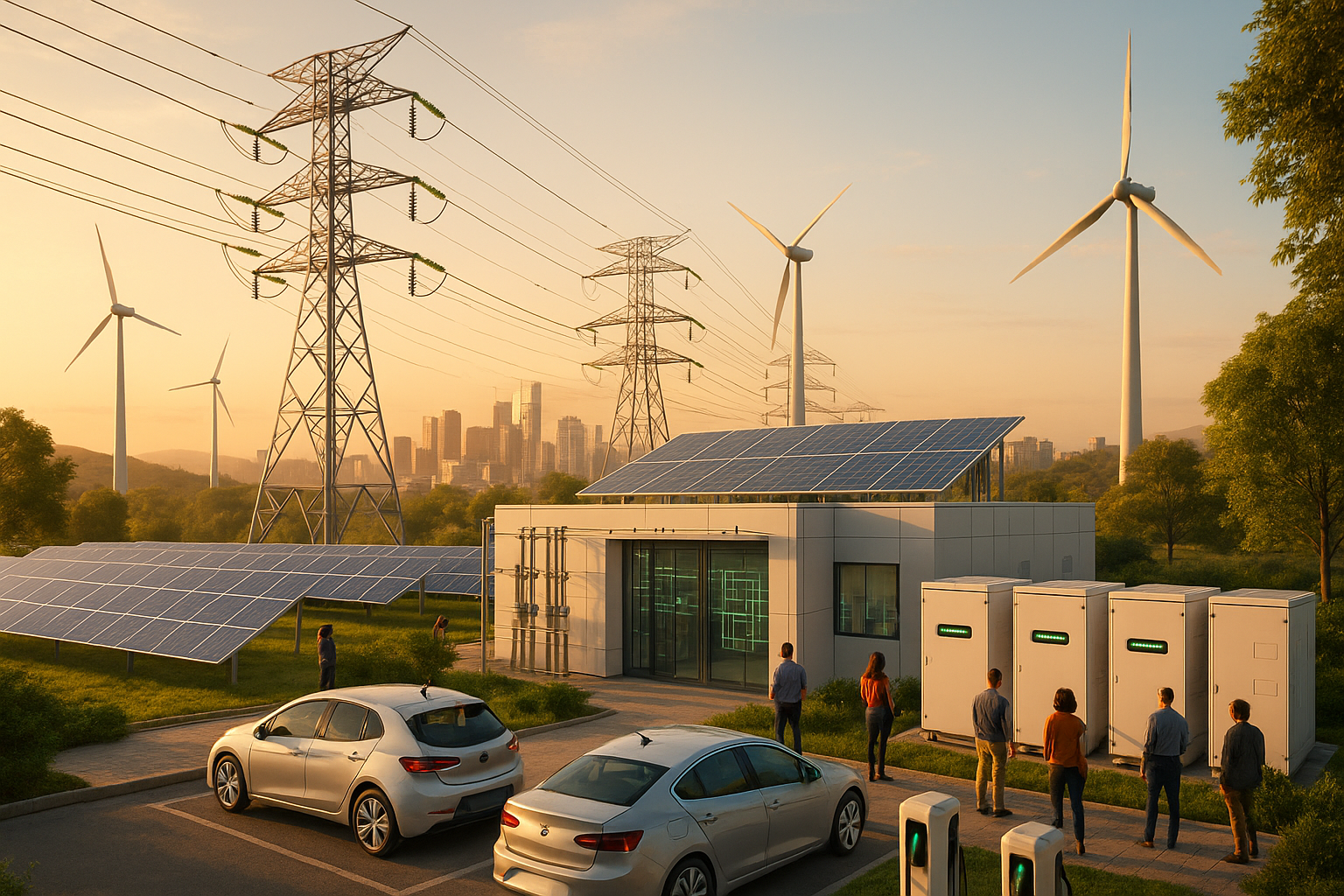
Conclusion: Empowering a Sustainable Future Through Smart Grids and Energy Storage
As we reach the culmination of our exploration into the innovative synergy between smart grids and energy storage systems, it is crucial to reflect on the transformative potential these technologies hold for our sustainable future. Our discussion has navigated through the technical intricacies, real-world applications, and forward-looking projections that paint a promising picture of efficiency, reliability, and sustainability in our energy systems.
Recapitulating Key Insights
Smart grids, characterized by their intelligence and adaptability, revolutionize how we manage, distribute, and utilize electricity. By integrating advanced analytics and real-time data, smart grids enable a more responsive and stable energy supply, which is crucial in the face of escalating global energy demands and the intermittent nature of renewable sources like solar and wind.
Energy storage systems play a pivotal role in this landscape by addressing the variability of renewable energy and enhancing grid stability. Technologies such as lithium-ion batteries, flow batteries, and other innovative storage solutions provide the necessary backbone, allowing for energy to be stored during low demand and released during peak times, thus smoothing out the supply curve and reducing reliance on fossil-fuel-powered peaker plants.
The synergy between smart grids and energy storage is not just additive but multiplicative. Together, they facilitate a more robust integration of renewable energy sources, improve grid management, reduce greenhouse gas emissions, and enable utilities to meet regulatory requirements more effectively.
The Importance of This Synergy
The importance of developing and integrating smart grids with energy storage cannot be overstated. As we edge closer to a climate crisis, the need for sustainable energy solutions becomes more urgent. These technologies are at the forefront of this transformation, offering not only environmental benefits but also economic advantages by enhancing energy efficiency and reducing costs associated with energy production and grid management.
Furthermore, the resilience offered by advanced smart grids and energy storage systems is critical in the face of natural disasters and other disruptions. By enabling a faster recovery from power outages and ensuring a reliable energy supply, these technologies contribute significantly to national and community security and stability.
Call to Action
As stakeholders in a sustainable future, whether as consumers, business leaders, policymakers, or scholars, we must champion the adoption and development of smart grids and energy storage systems. Sharing knowledge and experiences, investing in technology, and supporting policies that encourage renewable energy integration are imperative actions we must pursue. Your voice matters in shaping a greener future.
🌍🔌 Embrace the change by staying informed, advocating for sustainable practices, and participating in discussions on energy innovations. I encourage you to comment below with your thoughts or share this article with peers to spread the word about the critical role of smart grids and energy storage in our sustainable energy landscape.
Inspiring a Bright, Sustainable Future
Imagine a world where every home and business is powered by clean, reliable, and affordable energy. Where energy blackouts are a thing of the past, and our environmental footprint is drastically reduced. This vision is achievable with the technologies we have discussed, and it is up to us to make it a reality.
Let us be the change-makers and pioneers in energy innovation. Let us build a legacy of sustainability and resilience for future generations. Together, we can light up the world in a way that preserves its beauty and vitality for centuries to come.
Engage, Share, and Innovate
Your engagement does not have to end here. Share this article on social media, talk about it with your friends and colleagues, and consider how you can contribute to the energy solutions in your community. Every small step counts towards a giant leap for mankind.
Final Thoughts
In conclusion, the union of smart grids and energy storage represents more than just technological advancement; it embodies hope for a sustainable, efficient, and resilient world. Let us harness this potential together, fostering an environment where technology and nature coexist harmoniously. The future is not just something we enter; it’s something we create, and it starts with our actions today.
Feel free to continue this conversation in the comments, share your insights, or ask questions. Let’s keep the dialogue going and the ideas flowing. The path to a sustainable world is in our hands. 🌱💡
