
In a world where energy demand is soaring while resources are dwindling, the quest for sustainable power solutions is more critical than ever. Enter hydrogen, a beacon of hope in the renewable energy landscape, particularly in the realms of grid storage and energy sustainability. This article explores the transformative role of hydrogen in powering our future, making energy storage more efficient, and contributing to a greener planet. As we dive deep into the mechanics and implications of this energy revolution, we will explore why hydrogen is not just an alternative, but a necessary pivot in our global energy strategy.

Hydrogen, the most abundant element in the universe, presents itself as an ideal candidate for tackling several energy challenges due to its high energy density and clean-burning nature. When used in fuel cells, hydrogen produces electricity through a chemical reaction rather than combustion, emitting only water and heat as byproducts. This characteristic positions hydrogen as a pivotal player in reducing carbon emissions and enhancing renewable energy systems.
The integration of hydrogen technology in grid storage systems is particularly promising. Traditional battery storage systems, while effective, face challenges like limited life spans and long charging times. Hydrogen can be stored indefinitely and has the potential to release energy on demand over extended periods, making it a game-changer for maintaining the stability of the electrical grid in the face of fluctuating supply and demand.
Moreover, hydrogen’s versatility extends beyond electricity generation. It can be produced from various processes, including electrolysis of water using electricity generated from renewable sources such as solar and wind. This not only ensures a sustainable loop of energy production but also aids in managing the intermittency issues associated with these renewable technologies. As we discuss the current technologies and emerging innovations in hydrogen production, we will uncover the layers of efficiency and sustainability that hydrogen brings to the table.
Despite its potential, hydrogen technology faces hurdles. The costs associated with hydrogen production, storage, and distribution have been significant barriers to its widespread adoption. However, recent advancements in technology and increased governmental and commercial interest are beginning to lower these barriers. This article will delve into these economic factors and explore how policy frameworks and market dynamics are evolving to support hydrogen’s growth.
From the perspective of grid resilience, hydrogen offers unique advantages. In the face of natural disasters or other disruptions, hydrogen-powered systems can provide reliable backup power, enhancing our grid’s robustness. We will explore case studies where hydrogen has successfully been integrated into energy systems, providing insights into its practical benefits and the lessons learned through these implementations.
Finally, we will forecast the future of hydrogen in global energy strategies. With countries worldwide committing to carbon neutrality and cleaner energy sources, hydrogen is poised to play a crucial role. We will analyze the strategies of leading nations and corporations in adopting hydrogen technology and the impact of these moves on the global energy landscape.
This exploration is not just about understanding a technology but about envisioning a sustainable future. As we embark on this detailed journey through the hydrogen economy, we aim to illuminate the pathways that can lead us towards a more resilient, efficient, and sustainable energy system. Join us as we uncover the potential of hydrogen to revolutionize our approach to energy, making our planet safer and greener for future generations. 🌍✨
Ready to see how hydrogen is setting the stage for a sustainable energy revolution? Let’s dive deeper into the exciting world of hydrogen power.🚀
Unlocking the Potential: Hydrogen as a Game-Changer in Energy Storage
The quest for sustainable and reliable energy solutions has led to a pivotal focus on hydrogen, particularly in the realm of grid storage. Hydrogen, often touted as the fuel of the future, offers unique advantages due to its high energy density and versatility. In this segment, we delve deep into why hydrogen is not just an alternative, but a revolutionary leap in energy storage technologies.
Firstly, hydrogen can be produced through various methods, the most sustainable being water electrolysis powered by renewable energy sources. This process ensures that the hydrogen produced is green and clean, contributing significantly to reducing carbon footprints. Once produced, hydrogen can be stored for prolonged periods, providing a buffer against the variability of renewable energy sources like solar and wind.
Moreover, hydrogen’s role in energy storage extends beyond mere retention of energy. It is capable of powering fuel cells, which are critical for converting chemical energy back into electrical energy when demanded. This dual functionality not only enhances efficiency but also ensures a steady and reliable energy supply, essential for stabilizing the grid amidst fluctuating supply and demand.
🌟 Comparative Analysis: Hydrogen vs. Traditional Battery Storage Systems
When comparing hydrogen to traditional battery storage systems such as lithium-ion, several key differences emerge:
| Aspect | Hydrogen Storage | Lithium-ion Batteries |
|---|---|---|
| Energy Density | High | Medium |
| Environmental Impact | Low (if produced via green methods) | High (due to mining and disposal issues) |
| Scalability | Highly scalable | Limited by raw material availability |
| Lifespan | Can be cycled thousands of times with minimal degradation | Degrades over time and with use |
Check the table above to see how hydrogen stands out, especially in scalability and environmental impact, making it a more sustainable choice in the long run.
Enhancing Grid Stability with Hydrogen Technologies
Hydrogen energy storage systems can significantly enhance grid stability. By using surplus renewable energy to produce hydrogen, which can then be converted back to electricity, grid operators can manage supply peaks and troughs more efficiently. This not only reduces reliance on fossil fuels but also enhances the resilience of the energy system against external shocks such as natural disasters or sudden spikes in energy demand.
Additionally, hydrogen can be transported and stored in large quantities, enabling decentralized energy distribution. This is particularly beneficial for remote or underserved regions, where traditional grid infrastructure may be lacking or inadequate. By decentralizing energy storage and distribution, hydrogen technologies can fundamentally reshape energy landscapes, making them more democratic and accessible.
From Concept to Reality: Innovative Projects Pioneering Hydrogen Energy Storage
Across the globe, several innovative projects are demonstrating the practical applications and benefits of hydrogen in energy storage. These projects not only highlight hydrogen’s potential in grid storage but also provide valuable insights into its integration and scalability challenges.
For example, in Germany, the H2Berlin project is exploring how hydrogen can be used to store surplus wind energy. By converting this excess energy into hydrogen, the project aims to provide a scalable and efficient storage solution that can feed energy back into the grid during periods of high demand.
In Australia, the Hydrogen Energy Supply Chain (HESC) project aims to create a full value chain for hydrogen, from production using brown coal to transport and eventual consumption in Japan. This international collaboration underscores the global potential of hydrogen as a sustainable energy carrier.
Watch How Hydrogen is Transforming Energy Storage
To see these technologies in action, check out the video titled “Hydrogen: Fueling the Future” on the Energy Live channel on YouTube. This video provides a comprehensive overview of how hydrogen is used in various energy storage applications, offering a glimpse into the future of energy systems powered by hydrogen.
Scaling Up: The Challenges and Future of Hydrogen Storage
While the potential of hydrogen is immense, there are significant challenges that need to be addressed to scale up its use effectively. These include reducing the cost of hydrogen production, ensuring safe storage and transportation, and expanding infrastructure to support widespread use. Innovations in technology and policy frameworks are crucial to overcome these barriers and realize the full potential of hydrogen in energy storage.
As we look to the future, the trajectory for hydrogen energy storage is promising but requires continued investment and collaboration across sectors. By fostering a supportive ecosystem for hydrogen technologies, we can pave the way for a more sustainable and resilient energy future.
Hydrogen and Renewable Energy: Perfect Partners in Sustainability
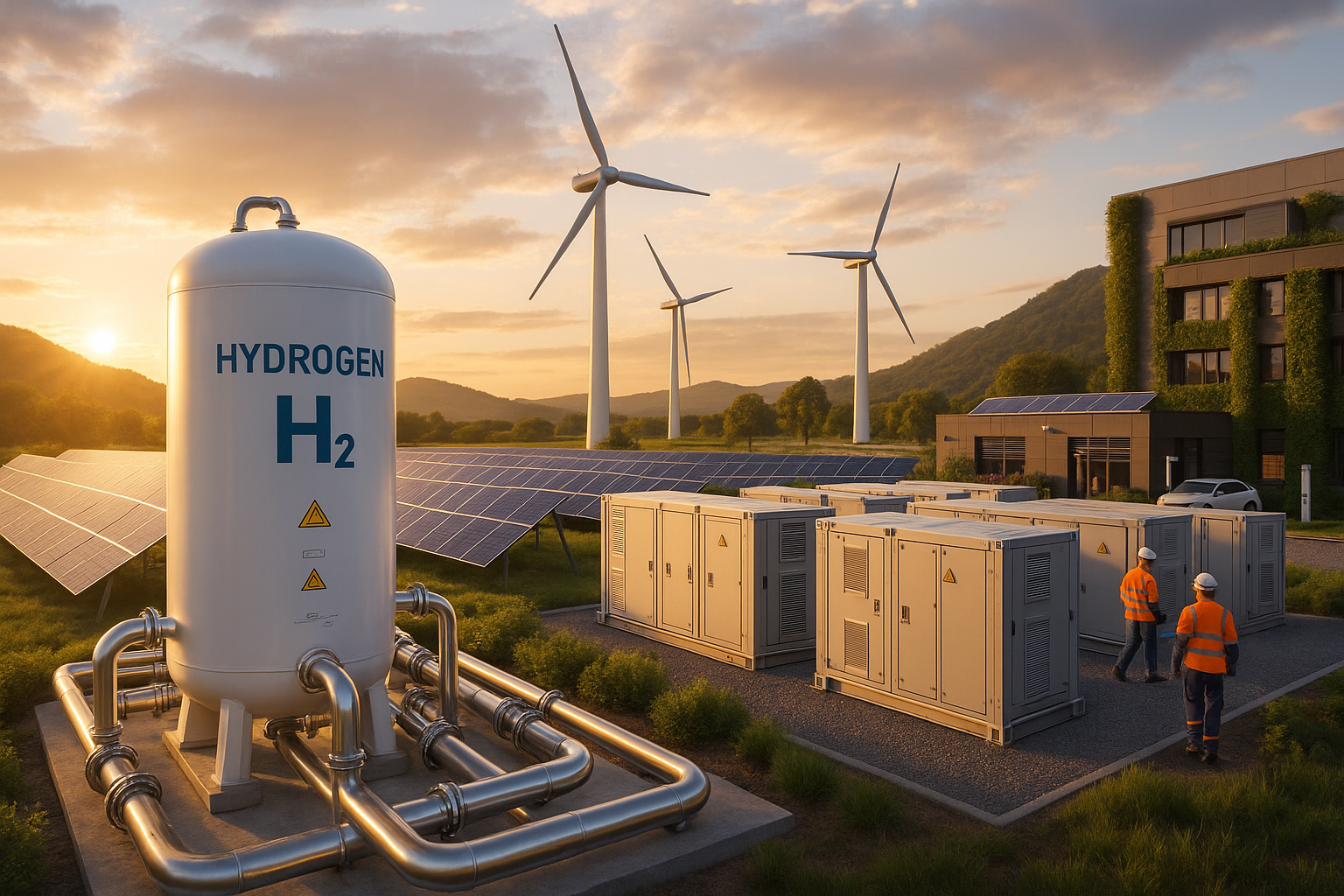
The synergy between hydrogen and renewable energy sources is a cornerstone of sustainable energy strategies. By integrating hydrogen storage solutions with renewable energy systems, we can create a more flexible and sustainable grid, capable of meeting future energy demands without compromising environmental goals.
Hydrogen’s ability to store excess renewable energy effectively addresses one of the biggest challenges in renewable energy deployment: intermittency. Solar and wind energy sources, while sustainable, do not provide constant output. Hydrogen storage systems can capture surplus energy during peak production times and release it during demand spikes or low production periods, thus balancing the grid.
Moreover, the integration of hydrogen with renewable energy sources can lead to the development of green hydrogen economies. Such economies could potentially transform entire industries, from transportation to manufacturing, all while drastically reducing greenhouse gas emissions.
🌱 Building a Green Hydrogen Economy: Opportunities and Impacts
The concept of a green hydrogen economy involves extensive use of hydrogen produced from renewable energy sources. This not only supports decarbonization across various sectors but also enhances energy security and creates new economic opportunities.
As we continue to explore and expand the boundaries of hydrogen technology, its integration with renewable energy will be crucial in achieving a sustainable energy paradigm. This partnership not only promises to revolutionize energy storage but also to redefine our approach to energy consumption and environmental responsibility.
In conclusion, hydrogen is not just an alternative energy carrier but a cornerstone of future energy systems. Its unique properties and compatibility with renewable sources offer a promising pathway towards sustainable, stable, and secure energy landscapes. As we harness its full potential, hydrogen stands ready to play a central role in our energy future.
Conclusion
In this article, we have delved deeply into the transformative role hydrogen can play in grid storage and enhancing energy sustainability. As we stand on the cusp of a potentially revolutionary shift in how we manage and distribute energy, it’s crucial to consolidate our understanding and commit to the path of sustainable growth.
Recap of Key Points
Firstly, we explored the fundamental properties of hydrogen and its compatibility with renewable energy sources like wind and solar power. The ability of hydrogen to be stored and then used to generate electricity is a game-changer for managing the intermittency issues associated with these renewables.
Secondly, the article highlighted several innovative projects worldwide that are harnessing hydrogen for grid storage. These examples not only demonstrate the feasibility of hydrogen technologies but also their scalability and potential to be replicated in different environments.
Thirdly, we addressed the environmental impact of hydrogen energy. By potentially reducing reliance on fossil fuels, hydrogen can significantly decrease greenhouse gas emissions, aligning with global efforts to combat climate change.
Finally, we touched on the economic implications, noting that while initial costs are high, the long-term benefits—such as job creation in new green industries and lower energy costs—could be substantial.
Importance of Hydrogen in Energy Sustainability
The shift towards hydrogen energy is not just a technological upgrade; it’s a necessary pivot to a more sustainable and resilient energy system. As the effects of climate change become more pronounced, it’s imperative that we invest in solutions that can not only mitigate but also adapt to these changes.
Hydrogen’s role in this transition cannot be overstated. Its versatility and compatibility with other forms of renewable energy make it a cornerstone of future energy systems that aim to be both sustainable and stable.
Call to Action
I encourage each of you to reflect on the information shared in this article and consider how it might impact your perspectives on energy use and sustainability. Discussions on topics like these are crucial as they help spread awareness and foster innovation. Please feel free to comment below with your thoughts or share this article on social media to help promote a broader understanding of hydrogen’s potential.
If you’re in a position to influence energy policy or corporate sustainability strategies, consider how integrating hydrogen technologies might benefit your operations or community. The journey to a sustainable energy future is a collective effort, and every step counts.
Conclusion
As we conclude, let us remind ourselves that the journey toward sustainable energy solutions like hydrogen is not just about technological innovation but also about building a future where environmental stability and energy security are a reality for all. This path we are embarking on is paved with challenges, but also with immense opportunities. Let’s be the pioneers who embrace these opportunities, not just for our sake, but for future generations.
The promise of hydrogen is vast and vivid. It offers a vision of the future where our lights stay on without damaging the earth, where our industries operate without depleting our resources, and where our children can look forward to a brighter, cleaner world. 🌍✨
Let’s engage, share, and innovate. Your thoughts and actions today could help power a better tomorrow. Thank you for reading, and let’s continue this important conversation.
