
In an era where the relentless quest for sustainable energy solutions is more pressing than ever, an old technology is being reimagined with a futuristic twist. Compressed air energy storage (CAES), a method that has been around since the 1970s, is making a powerful comeback, promising to significantly bolster renewable energy efforts. But what exactly is CAES, and why is it becoming a cornerstone in the conversation about clean energy futures? This blog will dive deep into the mechanics, benefits, and potential of CAES to revolutionize our energy systems.

At its core, compressed air energy storage is a simple yet ingenious system that stores excess energy generated during low-demand periods, typically by compressing air and storing it in underground caverns or containers. When energy demand peaks, the compressed air is released, driving turbines to generate electricity quickly and efficiently. This process not only helps in balancing the grid but also aids in integrating more renewable energy sources like wind and solar, which are known for their variability.
Despite its potential, CAES has often been overshadowed by more popular storage technologies such as batteries and pumped hydro. However, the tide is changing. With advances in technology and a growing emphasis on sustainability, CAES is gaining traction as a viable solution to some of the most pressing energy challenges we face today. This article will explore how CAES works, its environmental impact, the innovations driving its adoption, and how it could play a pivotal role in shaping a sustainable energy landscape.
🌍 Sustainability and Environmental Impact: One of the most compelling aspects of compressed air energy storage is its potential to enhance the sustainability of energy systems. This section will analyze how CAES can reduce carbon footprints and help manage the intermittent nature of renewable energy sources. Additionally, we’ll look into the lifecycle of CAES facilities and their overall environmental footprint compared to other energy storage methods.
⚙️ Technological Innovations: Innovation is at the heart of expanding CAES’s role in energy storage. Recent technological advancements have improved the efficiency and feasibility of CAES systems. We’ll discuss the cutting-edge developments that are making CAES more attractive, including improvements in air compression techniques, turbine technology, and the use of artificial intelligence to optimize storage and energy release.
💡 Market Potential and Economic Viability: Understanding the economic landscape is crucial for the adoption of any technology. This section will evaluate the market potential of CAES, examining the costs associated with building and maintaining CAES systems, their economic competitiveness with other energy storage technologies, and potential market barriers. Additionally, we’ll consider the role of policy and government incentives in fostering an environment conducive to the growth of CAES solutions.
🌏 Global Adoption and Case Studies: Around the world, several CAES projects have been implemented, each providing valuable insights into the practical applications and benefits of this technology. We will take a closer look at these projects, from the United States to Germany, analyzing what can be learned from their successes and challenges. This global perspective will help us understand the scalability and adaptability of CAES in diverse energy markets and geographic conditions.
The urgency to find effective, efficient, and environmentally friendly energy storage solutions has never been more acute. As the world grapples with the twin challenges of increasing energy demands and the imperative for sustainability, technologies like compressed air energy storage are stepping into the spotlight. Through exploring the intricate dynamics of CAES, this blog aims to provide a comprehensive understanding of how this technology can not only support but also accelerate the transition to renewable energy. Whether you’re an energy professional, a policy maker, or simply a concerned citizen, the insights from this discussion could reshape your perceptions of what’s possible in the realm of energy storage and sustainability.
Join us as we unravel the layers of compressed air energy storage, exploring its potential to transform the energy landscape. With a clear, humanized, and engaging analysis, this article will equip you with a thorough understanding of why CAES might just be the key to unlocking a sustainable energy future. 🌱
Unlocking the Secrets of Compressed Air Energy Storage
Compressed Air Energy Storage (CAES) is not just a concept of the future but a viable solution to today’s growing energy demands and sustainability goals. The principle behind CAES is both fascinating and straightforward: it involves storing energy in the form of compressed air in underground caverns or containers, which can be released to generate electricity when needed. This method not only helps in balancing grid demands but also enhances the integration of renewable energy sources like wind and solar.
The technology has evolved significantly, allowing for greater efficiency and broader application. In this exploration, we’ll delve deep into how CAES works, its various types, and the latest advancements in this field. By understanding these elements, stakeholders and enthusiasts can better appreciate the potential and push for its integration into the energy matrix.
Let’s embark on a journey to uncover the mechanisms of CAES, its implications for renewable energy integration, and how it stands as a beacon of sustainability in the energy sector. You’ll find that this storage method is not just about energy efficiency but also about strategic energy management and sustainability.
How Does Compressed Air Energy Storage Work?
The basic operation of CAES involves three key stages: compression, storage, and expansion. Initially, electrical energy is used to compress air using a compressor. This air is then stored under high pressure in an underground cavern or above-ground tanks. When the demand for electricity rises, the compressed air is released and heated (usually by burning natural gas), and then expanded through a turbine to generate electricity.
One of the intriguing aspects of CAES is the variety of storage options available, ranging from salt caverns to hard rock caverns and aquifers. Each type of storage solution offers different benefits and challenges, which we will explore later in this article.
Another essential component of CAES is its ability to provide grid stability. By quickly releasing stored energy, CAES can help balance supply and demand fluctuations, especially those caused by the intermittent nature of renewable energy sources.
Types of Compressed Air Energy Storage Systems
There are primarily two types of CAES systems: diabatic and adiabatic. Diabatic systems, the more traditional form, use external heat sources (often fossil fuels) to heat the air as it is released from storage. This process, while effective, does not align as well with sustainability goals due to its reliance on fossil fuels.
On the other hand, adiabatic CAES systems represent a significant advancement as they attempt to store the heat generated during air compression and use it during the expansion phase, thus reducing or eliminating the need for fossil fuels. This type not only enhances energy efficiency but also substantially cuts down carbon emissions, aligning closely with green energy principles.
The choice between these systems often depends on specific project requirements, including location, environmental impact considerations, and the desired balance between efficiency and sustainability.
Comparing CAES with Other Energy Storage Technologies
While CAES is a promising technology, it’s essential to compare it with other energy storage methods to understand its relative strengths and limitations. Below, we provide a comparative analysis with other popular energy storage technologies like batteries and pumped hydro storage.
| Technology | Efficiency | Cost | Scalability | Environmental Impact |
| CAES | Medium | Low | High | Medium |
| Batteries | High | High | Medium | Medium |
| Pumped Hydro | High | Medium | High | Low |
From the table, it’s clear that each technology has its unique set of advantages. CAES stands out in terms of scalability and cost, making it an attractive option for large-scale energy storage. However, its efficiency and environmental impact require careful consideration and management.
As we compare these technologies, it’s important to note that the choice often depends on specific use cases and local conditions. For instance, pumped hydro, while highly efficient, requires a significant geographical footprint and specific topological conditions that may not be available everywhere.
CAES, with its flexibility and lower cost, presents a viable alternative, especially in areas where geographical conditions favor such installations. It is also an excellent option for regions heavily investing in renewable energy, as it can effectively store excess energy produced during peak production times.
Latest Innovations and Future Prospects in CAES
The field of Compressed Air Energy Storage is ripe with innovations aimed at making the technology more efficient, sustainable, and widely applicable. Recent advancements focus on improving the adiabatic process, where efforts are being made to enhance the storage of heat generated during compression, thus minimizing or eliminating the use of fossil fuels.
One such innovation involves the use of advanced materials and technologies to better insulate the stored air, thereby retaining more heat. Researchers are also exploring the use of renewable energy sources to power the air compression stage, which would make CAES a fully renewable energy storage solution.
The future of CAES looks promising, with several large-scale projects underway across the globe. These projects not only aim to demonstrate the viability of CAES at a large scale but also to showcase its potential in seamlessly integrating with renewable energy systems.
As we continue to explore and innovate in this field, the role of CAES in global energy storage solutions will likely become more prominent. For a deeper dive into this topic, consider watching the video “Innovations in Compressed Air Energy Storage” by the Energy X channel on YouTube. This video provides a comprehensive overview of recent advancements and future prospects in CAES technology.
- 🌍 Enhanced sustainability through reduced reliance on fossil fuels.
- 🔋 Improved energy efficiency with advanced adiabatic systems.
- ⚡ Greater integration with renewable energy sources.
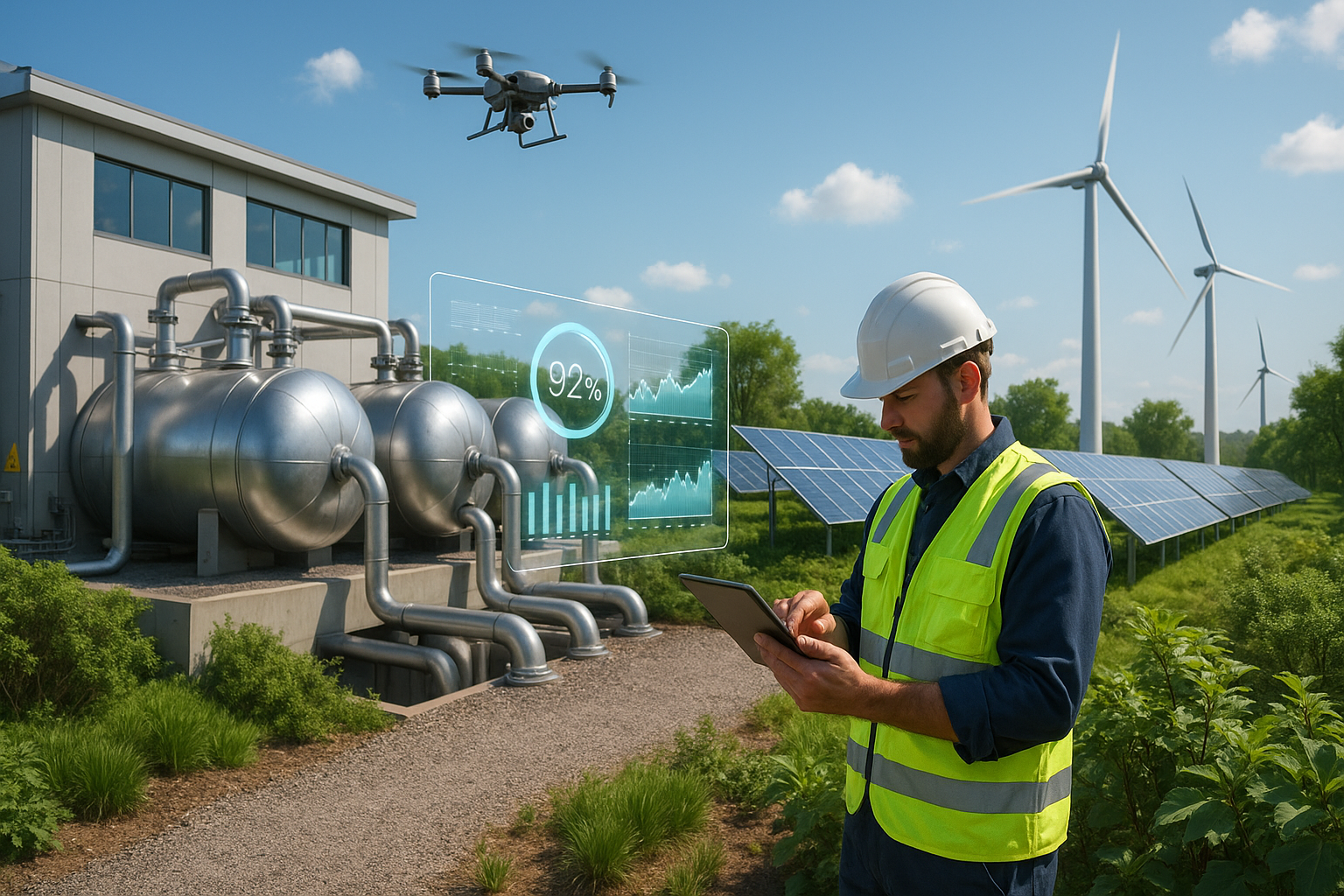
In summary, Compressed Air Energy Storage is a technology with vast potential, poised to play a critical role in the future energy landscape. Its ability to provide large-scale, cost-effective energy storage solutions makes it a key player in the transition towards more sustainable and resilient energy systems.
Conclusion
As we conclude our exploration into the innovative world of Compressed Air Energy Storage (CAES), it’s imperative to reiterate the pivotal themes we’ve delved into and highlight the essential role this technology could play in sculpting a sustainable energy future.
We started our journey by understanding the basics of CAES – what it is and how it operates. Simply put, CAES harnesses excess electricity during low-demand periods to compress air into an underground storage. This stored energy is then released during peak demand to generate electricity, offering a promising solution to balance supply and demand in power grids.
Key to our discussion was the exploration of different types of CAES systems, such as diabatic, adiabatic, and isothermal storage. Each has its own unique features and suitability depending on the specific energy requirements and geographic conditions. Adiabatic systems, for instance, offer great promise due to their higher efficiency rates by storing heat generated during air compression and utilizing it during the expansion process.
The environmental impact of CAES, compared to conventional energy storage methods like lithium-ion batteries, was another critical area we covered. CAES stands out for its lower ecological footprint, offering a cleaner alternative by reducing reliance on non-renewable power sources and minimizing hazardous waste.
The scalability of CAES was also a central theme, discussing how it can be implemented on a massive scale, unlike some other energy storage techniques that are limited by material scarcity or environmental concerns. This scalability makes CAES particularly valuable for widespread adoption in various geographical and industrial contexts.
Challenges such as site selection, capital investment, and technological hurdles like efficiency improvement were not overlooked. Addressing these challenges head-on is crucial for the advancement and broader acceptance of CAES technologies.
We also highlighted some exemplary global initiatives where CAES is being implemented successfully, providing real-world proofs of concept that can inspire further research and adoption. These examples underscore the viability and transformative potential of CAES in contributing to energy stability and sustainability.
The economic aspects, including potential cost reductions in energy storage and the financial incentives for deploying CAES, were discussed to paint a comprehensive picture of the economic landscape influencing this technology’s adoption.
As we draw this discussion to a close, it’s clear that CAES holds a significant place in our quest for sustainable energy solutions. Its ability to provide reliable, scalable, and cleaner energy storage options positions it as a cornerstone technology in the renewable energy sector.
However, the journey doesn’t end here. The continued exploration, technological enhancements, and strategic implementations of CAES will be essential. Each stakeholder from policymakers to researchers, and from investors to the general public, has a role to play in advancing this promising technology.
Your engagement does not have to stop as you reach the end of this article. If you found the insights shared here enlightening, I encourage you to comment with your thoughts, share this article with peers or on social media, or even delve deeper into the subject. Engaging in conversations, sharing knowledge, and taking informed actions can significantly impact our collective energy future.
Let’s embrace the power of compressed air, not just as a concept, but as a practical solution that can be optimized and implemented to power our world sustainably. The potential is immense, and with informed and concerted efforts, we can all be part of a brighter, cleaner tomorrow. 🌍✨
Remember, every small step in the right direction leads to substantial change. Share your views, spread the word, and let’s power up our approach to sustainable energy together! 🚀
Thank you for taking the time to read and potentially contribute to a sustainable energy future. Your thoughts, actions, and shares are what will propel this technology from potential to reality. Let’s make it happen!
