
In an era where the quest for sustainability intersects with the ever-growing demand for reliable energy sources, the role of innovative technologies becomes not just relevant, but essential. Enter the world of microgrid energy storage solutions—a game-changing strategy that could define the future of how we consume and conserve energy. These systems are not just a tool for managing electricity; they represent a revolution in our approach to renewable energy sources, promising enhanced reliability, sustainability, and efficiency.

As we delve into the complexities of energy consumption and management, the necessity for more adaptable and resilient energy systems becomes glaringly apparent. This brings us to the heart of our discussion: the pivotal role of microgrid energy storage systems. By decentralizing the distribution of energy, microgrids empower communities, businesses, and entire regions to optimize their energy usage and increase their reliance on renewable sources like solar and wind power. 🌞💨
But what exactly are microgrids, and why are they so crucial in our journey toward a sustainable energy future? Microgrids are localized energy networks that have the capacity to operate independently from the traditional, larger power grid. This capability not only provides a buffer against power outages but also offers a platform for integrating various sources of renewable energy. In this piece, we’ll explore the various components that make up microgrid systems, the latest advancements in technology, and how these systems are being implemented across different sectors and communities around the globe.
Our exploration will begin with a detailed look at the technology behind energy storage solutions. From cutting-edge lithium-ion batteries to flywheel storage, each technology offers unique benefits and challenges. Understanding these technologies is key to comprehending how microgrids can help stabilize the grid and make energy usage more efficient and less environmentally damaging.
Next, we will examine real-world applications of microgrid systems. From remote villages in Africa to high-tech industrial campuses in Silicon Valley, microgrids are proving their worth as a reliable and sustainable energy solution. These case studies will not only illustrate the versatility and potential of microgrids but also highlight the practical challenges and successes encountered during implementation.
Moreover, we cannot discuss the future of microgrids without addressing the regulatory and financial frameworks that support or hinder their adoption. Investment in microgrid technology is surging, but the path is fraught with regulatory hurdles and market dynamics that can vary wildly from one region to another. By understanding these elements, stakeholders can better navigate the complexities of funding and operating microgrid systems.
In addition to technological and regulatory aspects, we’ll delve into the impact of microgrids on local communities and economies. The ability of microgrids to operate independently from the central grid can provide unparalleled security and reliability in energy supply, which in turn boosts local business and community resilience. This section will explore how empowering local control over energy resources can lead to sustainable community development and economic growth.
Finally, we’ll look to the future, discussing emerging trends and how ongoing research and development efforts are pushing the boundaries of what microgrids can achieve. From advancements in AI and machine learning for better grid management to innovations in battery technology that could further reduce costs and increase efficiency, the horizon is bustling with potential.
As we navigate through this comprehensive analysis, keep in mind that the goal of this discussion is not just to inform but to inspire action and innovation. The transformation towards a sustainable energy future is not just about adopting new technologies but also about rethinking our approach to energy consumption and resource management. Microgrids are at the forefront of this transformation, offering a beacon of hope and a blueprint for a sustainable, reliable energy future. Let’s explore how these powerful systems can help us achieve an energy-wise tomorrow. 🌍🔋
Whether you are a policy maker, a business leader, an environmental advocate, or simply a curious reader, this deep dive into microgrid energy storage solutions will equip you with the knowledge and insights needed to understand and advocate for smarter, more sustainable energy systems. Let’s embark on this enlightening journey together, uncovering the technologies and strategies that are shaping the future of energy.
Unlocking the Potential of Microgrid Energy Storage
As we pivot towards a more sustainable future, the importance of reliable energy sources cannot be overstated. Microgrids, with their ability to function independently from traditional power grids, are at the forefront of this revolution. The role of energy storage in these systems is critical, not just for energy security, but also for enhancing the efficiency and sustainability of the grid itself.
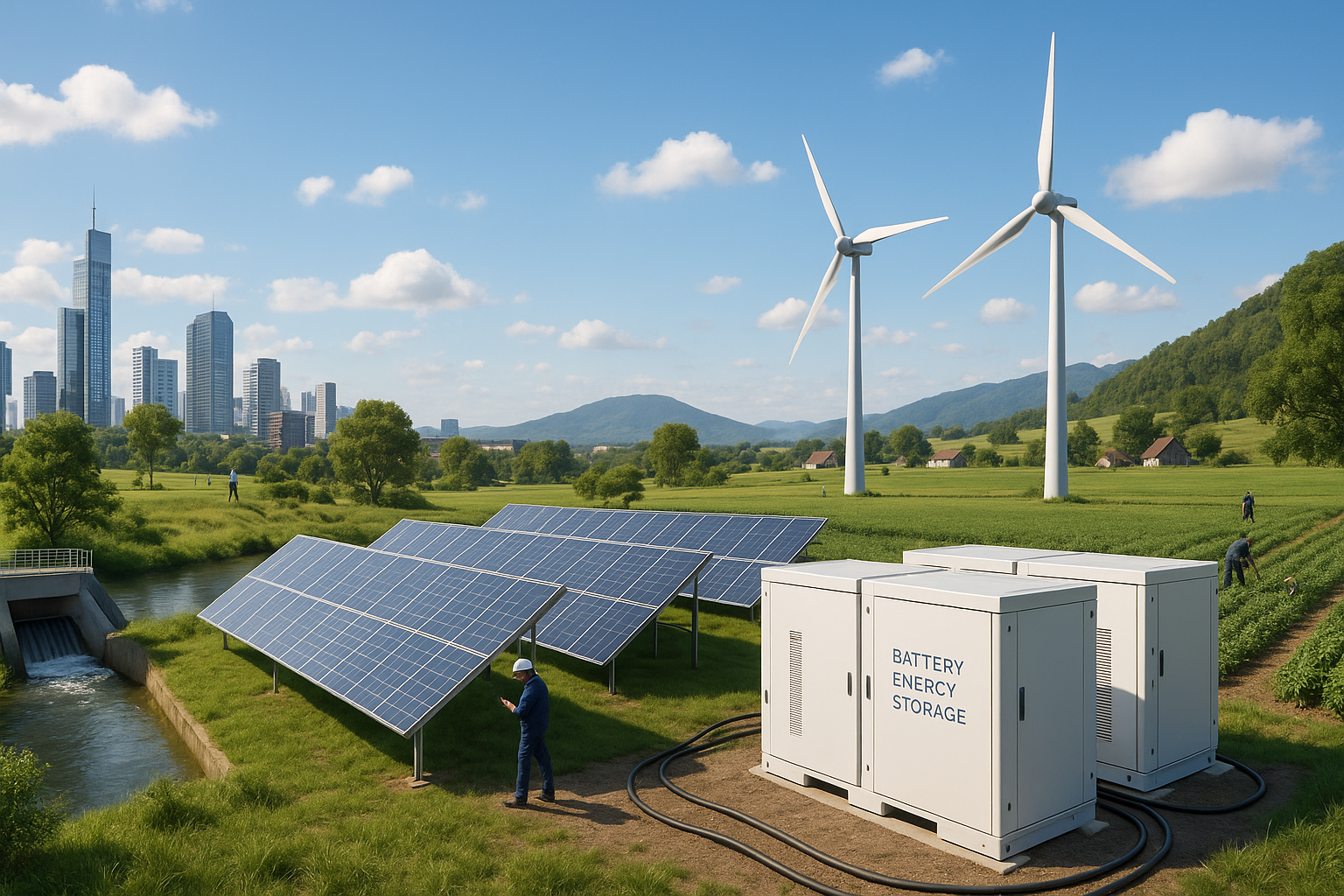
Energy storage solutions within microgrids serve as a backbone for balancing supply and demand, handling intermittent renewable energy sources like wind and solar power, and providing emergency power during outages. Advanced battery technologies, including lithium-ion, lead-acid, and flow batteries, are commonly employed to meet these needs. Each technology offers unique benefits and is chosen based on specific project requirements, such as capacity, discharge duration, and environmental conditions.
Innovations in energy storage also contribute to the economic viability of microgrids. By optimizing energy storage, microgrids can reduce reliance on expensive, often polluting, diesel generators, and cut down on costs associated with energy transmission and distribution. The deployment of energy storage systems in microgrids not only supports the integration of renewable energy but also stabilizes local energy markets and provides a buffer against price fluctuations.
Comparative Analysis of Energy Storage Technologies
Understanding the various energy storage options is essential for selecting the right system for a microgrid. Here is a comparative look at some popular energy storage technologies:
| Technology | Energy Density | Life Span | Efficiency |
|---|---|---|---|
| Lithium-ion Batteries | High | 10-15 years | 90-95% |
| Lead-acid Batteries | Low | 5-10 years | 80-85% |
| Flow Batteries | Medium | 20-25 years | 70-80% |
As depicted in the table above, each technology offers distinct advantages. Lithium-ion batteries, for instance, boast high energy density and efficiency, making them suitable for applications requiring compact energy storage with quick response times. On the other hand, flow batteries, with their longer lifespan and robustness, are ideal for applications where long-duration energy storage is crucial.
Case Studies: Successful Microgrid Projects
Real-world examples of microgrids in action highlight the practical benefits and challenges of integrating energy storage systems. For instance, the King Island Renewable Energy Integration Project in Australia successfully utilizes a combination of wind, solar, and battery storage to provide over 65% of the island’s energy needs from renewable sources. This project showcases the potential of microgrids to reduce reliance on fossil fuels and lower carbon emissions.
Another notable example is the Brooklyn Microgrid in New York City, where a community-driven microgrid integrates solar panels and battery storage to allow residents to buy and sell locally generated renewable energy. This not only enhances community resilience but also empowers individuals as active participants in the energy market.
Exploring the Economic Impact of Microgrid Adoption
Adopting microgrid technology does not merely contribute to environmental sustainability but also offers significant economic benefits. By decentralizing power production, microgrids can reduce energy costs, improve system resilience, and create local jobs in green technology sectors.
Financial incentives and regulatory support play crucial roles in promoting microgrid installations. Governments and private sectors worldwide are beginning to recognize the economic potential of microgrids and are implementing policies to support their development. These include grants, tax incentives, and technical support to lower the barriers to entry for new projects.
Additionally, microgrids can act as a catalyst for economic development in rural and remote areas. By providing reliable and affordable power, they support local businesses and enable the use of modern technologies that can improve productivity and quality of life.
Financial Models and Funding Opportunities
Understanding the financial models that underpin microgrid projects is key to their success. Various funding mechanisms are available, ranging from direct ownership and operational models to third-party financing arrangements like power purchase agreements (PPAs) and energy-as-a-service (EaaS). Each model presents its own set of benefits and challenges, tailored to the needs and capacities of different stakeholders.
For those interested in the financial aspects of microgrid projects, checking out detailed analysis and case studies can provide deeper insights. For instance, the video titled “Financing Microgrid Projects” by the Energy Web Foundation offers a comprehensive overview of how microgrid investments work and their long-term benefits. You can watch it here.
Technological Innovations Driving Microgrid Capabilities
The continuous advancement in technologies such as IoT, AI, and blockchain are enhancing the capabilities of microgrids. IoT devices allow for real-time monitoring and management of energy resources, improving the efficiency and reliability of microgrids. AI algorithms optimize energy distribution and storage, adapting to changes in energy demand and supply dynamically. Blockchain technology offers a secure platform for energy transactions within the microgrid, fostering transparency and trust among participants.
Such technological integrations not only make microgrids more efficient but also more adaptable to the needs of modern energy consumers. As these technologies evolve, they pave the way for more sophisticated and user-friendly microgrid solutions, enabling widespread adoption and operation.
As we continue to explore and expand the capabilities of microgrid energy storage, the promise of a more sustainable, reliable, and efficient energy future becomes increasingly tangible. By investing in the right technologies and understanding the economic and social impacts, stakeholders can unlock the full potential of microgrids to power our future.
Future Trends in Microgrid Development
The future of microgrids looks promising with several trends likely to shape their development. Increased focus on sustainable energy will drive further integration of renewable energy sources into microgrids. Technological advancements will continue to reduce the cost and increase the efficiency of energy storage solutions, making microgrids more accessible and cost-effective. Furthermore, as global awareness of climate change grows, regulatory and policy frameworks are expected to become more favorable for microgrid deployments, especially in regions most affected by power reliability issues.
By staying informed and engaged with the latest developments in microgrid technology, individuals and communities can participate actively in shaping a resilient and sustainable energy landscape. Remember, the future of energy is not just in the hands of policymakers and corporations—it’s also in the hands of local communities and informed individuals like you.
Conclusion
As we conclude this insightful exploration into the world of microgrid energy storage solutions, it is crucial to reiterate the substantial impacts and benefits these technologies promise for a sustainable and reliable energy future. Throughout this article, we’ve dived deep into the mechanics, benefits, and future prospects of microgrid systems, focusing particularly on their role in enhancing energy reliability, promoting sustainability, and supporting economic growth.
Microgrids, by design, are localized energy systems capable of autonomous operation, either in conjunction with or independent from traditional large-scale power grids. This flexibility not only makes them invaluable in disaster recovery scenarios, such as hurricanes or earthquakes, but also in rural or remote areas where connection to main power grids is either impractical or cost-prohibitive. The ability to integrate various sources of renewable energy—from solar to wind—further elevates their appeal as beacons of sustainability.
We discussed the technological advancements that are driving the efficiency of microgrids. Innovations in battery storage, such as lithium-ion and flow batteries, have dramatically improved the way energy can be stored and utilized, making these systems more viable and efficient. Furthermore, developments in smart grid technology allow for better management of energy resources, enhancing the overall functionality and efficiency of microgrids.
The economic implications of microgrids cannot be overstated. By decreasing reliance on centralized power supplies and reducing transmission losses, microgrids contribute to cost savings and promote energy independence. This is particularly critical in developing countries where energy access can be a barrier to economic development. Microgrids represent a scalable solution that can be tailored to various needs and capacities, empowering communities and fostering economic growth.
Moreover, the environmental impact of deploying microgrids is profoundly positive. As the world continues to grapple with climate change, transitioning to renewable energy sources becomes imperative. Microgrids facilitate this shift by incorporating a higher percentage of renewable energy sources, thereby reducing the carbon footprint associated with energy consumption.
However, despite these benefits, challenges such as high initial setup costs, regulatory issues, and technical hurdles still persist. Addressing these challenges requires concerted efforts from governments, private sectors, and research institutions to create conducive policy frameworks, innovate further in technology, and scale financial models that can support widespread adoption of microgrids.
In conclusion, microgrid energy storage solutions stand at the forefront of transforming our energy landscape. They offer a promising path towards a more resilient, sustainable, and equitable energy future. As we continue to witness advancements in this field, it becomes increasingly important for stakeholders across all sectors to collaborate and invest in the potential of microgrids.
I encourage all readers to reflect on the information shared, engage in further discussions, and consider how microgrid technologies might be applied within your communities or spheres of influence. Share this article to spread awareness and encourage more people to explore this exciting area. Together, we can take meaningful steps towards an empowered, sustainable future. 🌍✨
For those interested in further reading and research, you might find valuable resources and latest updates at websites like [Energy.gov](https://www.energy.gov/) or [International Renewable Energy Agency (IRENA)](https://www.irena.org/).
Your comments and insights are invaluable as we navigate these promising yet complex topics. Please, feel free to share your thoughts, experiences, or inquiries below. Let’s keep the conversation going and work collectively towards innovative solutions that power our future responsibly and sustainably. 🌟💡
Thank you for taking the time to read and contemplate the transformative potential of microgrid energy storage solutions. Let’s embrace this technology with optimism and concerted action to forge a brighter, more resilient tomorrow.
