
As the world grapples with the escalating crisis of climate change, the quest for sustainable energy solutions has never been more critical. Among the myriad of technologies vying for prominence, pumped hydro energy storage (PHES) stands out as a beacon of hope. This system, which has been in use for over a century, is experiencing a renaissance as nations worldwide seek reliable, cost-effective means to integrate renewable energy sources into their power grids. In this in-depth exploration, we will dissect the potential of pumped hydro energy storage projects to revolutionize our energy landscape, ensuring a cleaner, greener future.

Pumped hydro energy storage is not just another alternative energy option; it is the largest-capacity form of grid energy storage available. This technology utilizes two water reservoirs at different elevations to store energy and generate power. During periods of low energy demand, excess electricity is used to pump water from the lower to the upper reservoir. When energy demand peaks, water is released back into the lower reservoir through turbines, generating electricity. The simplicity of this process belies its potential, offering a solution that is both robust and flexible, capable of adjusting to the fluctuating nature of renewable energy sources like solar and wind.
The surge in interest towards renewable energy sources, primarily driven by the need to reduce greenhouse gas emissions, has spotlighted the pivotal role of energy storage. Solar and wind power, while abundant and sustainable, are intermittent by nature. This intermittency poses a significant challenge for grid stability and reliability. Herein lies the critical value of PHES: by providing large-scale, efficient storage and release capabilities, it acts as a balancing mechanism for the grid, accommodating the ebb and flow of renewable energy production.
This blog post aims to navigate through the multifaceted landscape of pumped hydro energy storage projects, focusing on their potential to meet the dual demands of energy efficiency and environmental sustainability. We will delve into the mechanics of PHES, examine current global projects and their impacts, and explore future innovations that could further enhance the viability of this technology. Additionally, we will address the challenges and barriers to the widespread adoption of PHES and discuss strategies to overcome these obstacles.
To anchor our discussion, we will highlight key areas:
- Technical Overview of Pumped Hydro Storage: An accessible breakdown of how PHES systems function and their integration into the modern power grid.
- Global Case Studies: Insightful analyses of existing pumped hydro storage projects around the world, focusing on their operational, economic, and environmental impacts.
- Innovative Developments in PHES: A look at cutting-edge research and advancements in PHES technology that promise increased efficiency and reduced costs.
- Challenges and Solutions: Examination of the hurdles facing the expansion of PHES—such as geographical, environmental, and financial constraints—and potential solutions to these issues.
- Future Prospects and Policy Implications: Predictions for the future role of PHES in global energy markets and the policy frameworks that could promote or hinder its growth.
As we pivot towards a more sustainable future, the integration of renewable energy into our daily lives becomes imperative. 🌱💡 Pumped hydro energy storage projects could play a crucial role in this transition, offering a pragmatic and scalable option for storing and dispatching renewable energy. This exploration is not just about understanding a technology but about envisioning a future where energy is stored and utilized in harmony with our natural ecosystems, ensuring a sustainable world for future generations. 🌍🔋
Embark on this journey with us as we delve deeper into the realm of pumped hydro energy storage, exploring how this old technology is being repurposed for a sustainable future. The information laid out here aims not only to enlighten but also to ignite a conversation on how we, as a global community, can innovate and adapt to meet the challenges of our time. Join us in exploring the comprehensive capabilities and the transformative potential of pumped hydro energy storage systems.
The Mechanics of Pumped Hydro Energy Storage
Pumped Hydro Energy Storage (PHES) is an intriguing and increasingly vital component in the realm of renewable energy solutions. As the world pivots towards sustainable energy sources, understanding the mechanics behind PHES is crucial. This system operates on a simple yet profoundly effective principle: using excess electricity to pump water uphill to a reservoir, then releasing it to generate power when needed.
The allure of PHES lies in its ability to provide large-scale energy storage and grid stability. Unlike batteries, which offer limited capacity and degrade over time, PHES facilities can continue to operate effectively for decades. This longevity makes them a financially sound investment in the long-term infrastructure of renewable energy.
To truly grasp the impact of PHES, let’s delve into its two primary operational phases: the pumping phase, where electricity is used to store energy in the form of elevated water, and the generation phase, where this stored energy is converted back into electricity. This cyclical process not only ensures a steady supply of electricity but also contributes to balancing the grid during varying demand periods.
Key Components of PHES Systems
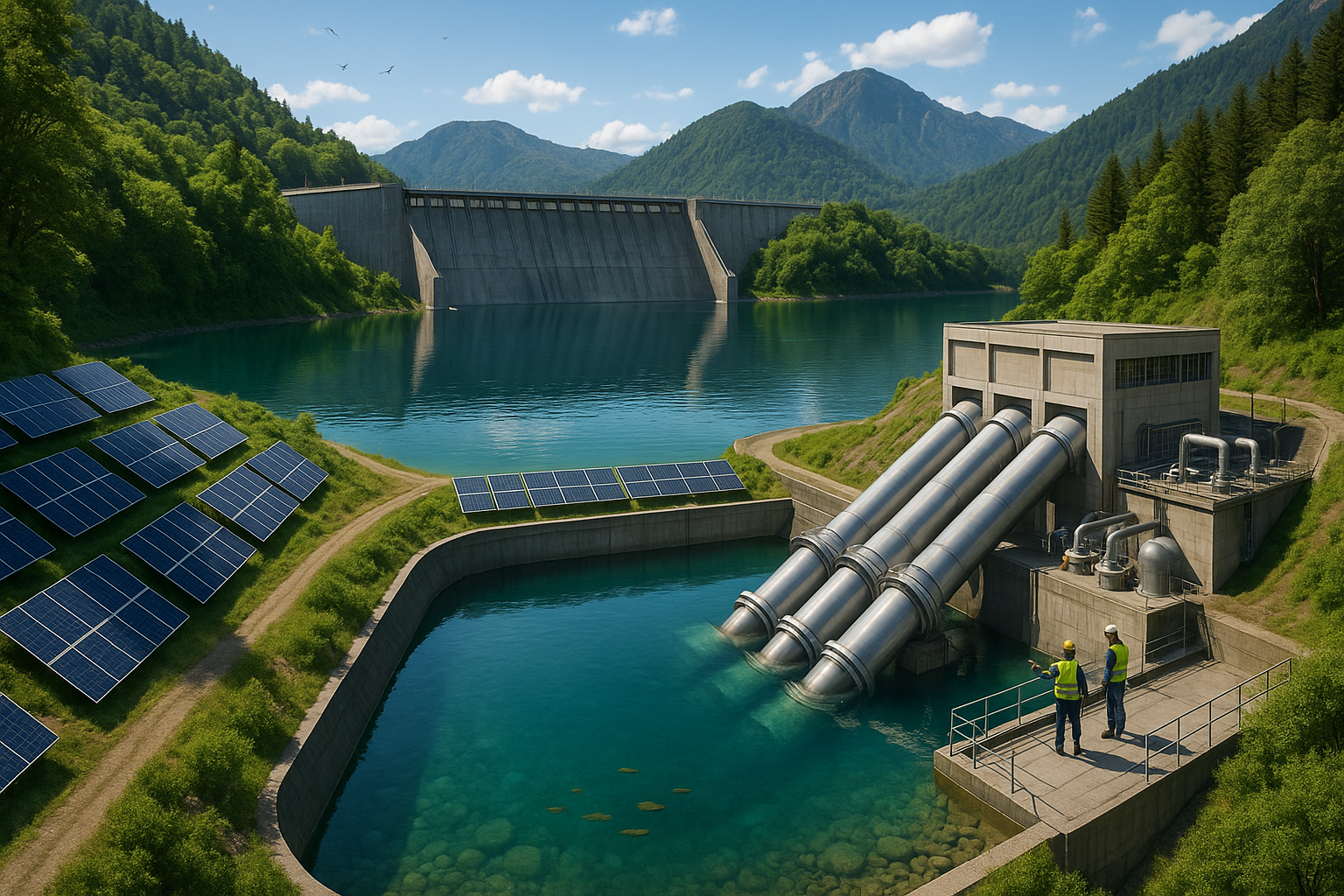
- Reservoirs: Two water reservoirs at different elevations are essential, one at a higher altitude and another at a lower altitude.
- Pumps/Turbines: These dual-function units pump water uphill when surplus power is available and generate power by letting water flow downhill.
- Penstocks: Large pipes that carry water between the reservoirs during both the pumping and generating phases.
For a visual representation of how these components interact, watch this informative video titled “Pumped Hydro Simplified” on the Energy Academy YouTube channel. This will provide you with a clearer picture of PHES’s operational dynamics.
Comparative Analysis of Pumped Hydro vs. Other Energy Storage Technologies
While PHES is a leading technology for energy storage, comparing it with other technologies such as lithium-ion batteries and compressed air energy storage (CAES) highlights its unique advantages and limitations. This comparison is crucial for energy policymakers, investors, and advocates to make informed decisions.
Lithium-ion batteries, for example, are known for their quick response times and are ideal for applications requiring rapid discharge of energy. However, they are more suited to short-term storage due to their high cost and capacity limitations. In contrast, PHES systems, with their massive storage capabilities and longer discharge times, are better suited for grid-scale storage and energy management over longer durations.
Here’s a table comparing the key attributes of these technologies:
| Technology | Storage Capacity | Discharge Duration | Life Span |
|---|---|---|---|
| Pumped Hydro | Large-scale (GW) | Hours to days | 50+ years |
| Lithium-ion Batteries | Small to medium-scale (MW) | Seconds to hours | 5-15 years |
| Compressed Air | Medium to large-scale (MW to GW) | Hours | 20-40 years |
As you can see, each technology has its place depending on the application. For more detailed insights, refer to the comprehensive report titled “Global Energy Storage Outlook” available on the Energy Storage Association website.
Global Implementations and Success Stories
The global landscape of PHES is marked by numerous success stories that showcase its potential in enhancing energy sustainability. Countries like Norway, China, and the United States have effectively integrated PHES systems into their national grids, demonstrating both the adaptability and the scalability of this technology.
In Norway, the vast majority of electricity is generated through hydroelectric power, with PHES playing a pivotal role in balancing the grid against variable demand and supply. This not only secures energy supply but also stabilizes electricity prices in the region, which are some of the lowest in Europe.
China, on the other hand, has embarked on an ambitious plan to increase its PHES capacity as part of its commitment to achieving carbon neutrality by 2060. The country’s significant investment in PHES technology underscores its potential to aid large-scale integration of renewable energy sources like wind and solar, which are intermittent by nature.
Innovative PHES Projects
- Tianhuangping Pumped Storage Power Station, China: One of the largest of its kind, it serves as a critical peak load regulator for the East China Grid.
- Bath County Pumped Storage Station, USA: Known as the “world’s largest battery,” it showcases PHES’s capability in large-scale energy storage and grid balancing.
To see PHES in action, consider exploring the “Inside the World’s Largest Battery – Bath County Pumped Storage Station” video available on the Engineering Explained YouTube channel. This video will provide you with a real-world understanding of how large-scale PHES facilities operate.
In conclusion, Pumped Hydro Energy Storage is not just a technology of the past; it’s a crucial part of our sustainable energy future. By leveraging the natural terrain and integrating it with modern engineering, PHES provides a robust solution to energy storage challenges, facilitating a smoother transition to renewable energy sources globally. As the demand for reliable and clean energy solutions grows, the role of PHES is set to become more pivotal. For those interested in the technical and environmental impacts, the ongoing developments in this field are worth keeping an eye on.
Conclusion
As we navigate through the complexities of achieving a sustainable energy future, the role of energy storage, particularly pumped hydro energy storage (PHES), emerges as a critical piece of the puzzle. Throughout this article, we have explored the potential of PHES projects and how they serve as a backbone for renewable energy integration and grid stabilization.
To recap, PHES systems function by pumping water to an elevated reservoir when there is excess electricity, usually during periods of low demand or high renewable production. This stored potential energy is then converted back to electricity during peak demand by allowing the water to flow back down through turbines. This simple yet effective mechanism provides a solution to one of the most significant challenges in renewable energy – its variability and intermittency.
The potential of PHES has been underscored by numerous studies and real-world applications. As discussed, countries like China, the United States, and those in Europe are significantly investing in PHES facilities to enhance their energy security and meet their climate goals. These projects not only support the grid in managing supply and demand but also help in reducing reliance on fossil fuels, thereby cutting down greenhouse gas emissions.
Moreover, the socio-economic benefits of PHES projects cannot be overstated. They create jobs, both during construction and operational phases, and can contribute to local economic development. Additionally, these systems often use existing water bodies or repurpose abandoned mines, reducing environmental impacts and promoting land reuse.
The integration of PHES into renewable energy systems also highlights its versatility and adaptability. For instance, pairing PHES with solar or wind installations can result in a more consistent and reliable power supply, thus enhancing the overall efficiency of these renewable resources.
However, the expansion of PHES is not without challenges. Issues such as environmental concerns, land use, and initial capital costs are significant hurdles. Yet, with proper planning, technological advancements, and policy support, these challenges can be addressed effectively. The ongoing research and development in the field are continually improving the efficiency and sustainability of PHES systems, making them more appealing.
As we move forward, the importance of PHES in our energy landscape cannot be overstated. It is not just a tool for energy storage; it is a critical enabler of the broader adoption of renewable energy, a stabilizer of the electric grid, and a potential catalyst for economic growth.
Let’s not forget that the journey to a sustainable energy future is a shared responsibility. Whether you are a policy-maker, an industry professional, or a concerned citizen, your engagement and action matter. I encourage you to comment on and share this article to spread the word about the potential of pumped hydro energy storage. Let’s foster a discussion that can lead to more informed decisions and innovative solutions.
As we conclude, remember that the path to sustainability is a marathon, not a sprint. Investments in technologies like PHES are investments in our planet’s future. By supporting and advocating for sustainable solutions, we can all contribute to a cleaner, more resilient, and equitable world.
For those interested in diving deeper into the technical aspects or policy discussions surrounding PHES, I recommend visiting reliable sources such as the International Renewable Energy Agency (IRENA) or the U.S. Department of Energy’s Office of Energy Efficiency and Renewable Energy.
In the spirit of moving forward together, let’s keep the conversation going. Your thoughts, experiences, and suggestions are not only welcome but necessary to drive change. Together, we can power the future sustainably and innovatively. 🌍💡🔄
Feel inspired? Feel hopeful? Feel like you have a role to play? That’s the power of understanding and supporting sustainable energy solutions like pumped hydro energy storage. Let’s harness this energy not just to power our homes, but to fuel a movement towards a sustainable future.
