
Imagine a world where every flick of your light switch, every charge of your electric vehicle, or every streamed episode on your smart TV is powered by clean, efficient, and reliable energy. As the global population grows and the demand for sustainable solutions increases, lithium-ion storage systems are stepping up, offering promising advancements in grid-scale energy storage. But what exactly makes these systems so pivotal in today’s energy transition, and how can they redefine our future energy landscapes?

In this deep dive, we will explore the transformative role of grid-scale lithium-ion batteries, a technology that’s rapidly becoming a cornerstone of modern energy grids. These systems are not just about storing energy; they’re about stabilizing renewable power sources, enhancing the reliability of our electrical grids, and playing a critical role in reducing carbon emissions. 🌱
But let’s unpack this step-by-step. Firstly, we will analyze the basic mechanics behind lithium-ion technology. How do these systems work, and why are they more advantageous compared to other forms of energy storage? We will look into the core components that make up lithium-ion batteries, including cathodes, anodes, and the electrolytic solutions that power them.
Following that, we’ll explore the significant impact of these systems on renewable energy integration. Solar and wind resources, while abundant and sustainable, suffer from variability due to their dependence on weather conditions. Here’s where lithium-ion storage systems shine, offering the ability to store excess energy during peak production times and release it during demand spikes or low production periods.
Next, we delve into the economic landscape surrounding lithium-ion batteries. What does the cost trajectory look like, and what financial incentives are currently available to support their adoption? Additionally, we’ll consider the challenges and opportunities in scaling these technologies from pilot projects to systems robust enough to support entire cities or regions.
Moreover, safety and sustainability are paramount when discussing any technology, especially one as pivotal as lithium-ion storage. We will discuss the strides being made in enhancing the safety features of these batteries, along with the environmental considerations of using and recycling lithium-ion cells. How are industry leaders addressing these challenges, and what innovations are on the horizon to make these systems even more efficient and sustainable?
Finally, looking forward, we will envision the future of energy storage. With ongoing advancements in technology and materials science, what next-generation innovations can we expect? How will these improvements further integrate lithium-ion batteries into our daily lives, potentially transforming not just our grids, but also how we interact with energy on a personal and community level?
From homeowners who want to decrease their carbon footprint to large-scale utility providers aiming to stabilize their renewable offerings, lithium-ion storage systems offer a versatile range of solutions to energy challenges. 🌍 By the end of this exploration, you’ll have a clearer understanding of how these batteries can power not only our homes and vehicles but also our journey towards a more sustainable world.
So, buckle up as we charge into the details of grid-scale lithium-ion storage systems and uncover how they are set to revolutionize the energy sector. Whether you’re a tech enthusiast, an environmental advocate, or simply curious about the future of energy, there’s something in this journey for everyone. Let’s get energized about energy efficiency!
Unlocking the Power: Understanding Grid-Scale Lithium-Ion Storage Systems
As the world pivots towards renewable energy, the importance of efficient storage systems cannot be overstated. Grid-scale lithium-ion storage systems are at the forefront of this revolution, offering new ways to store and manage electricity with unprecedented efficiency. But what makes these systems so vital for our energy future? Let’s dive deep into the mechanics and benefits of lithium-ion technology used at a grid scale.
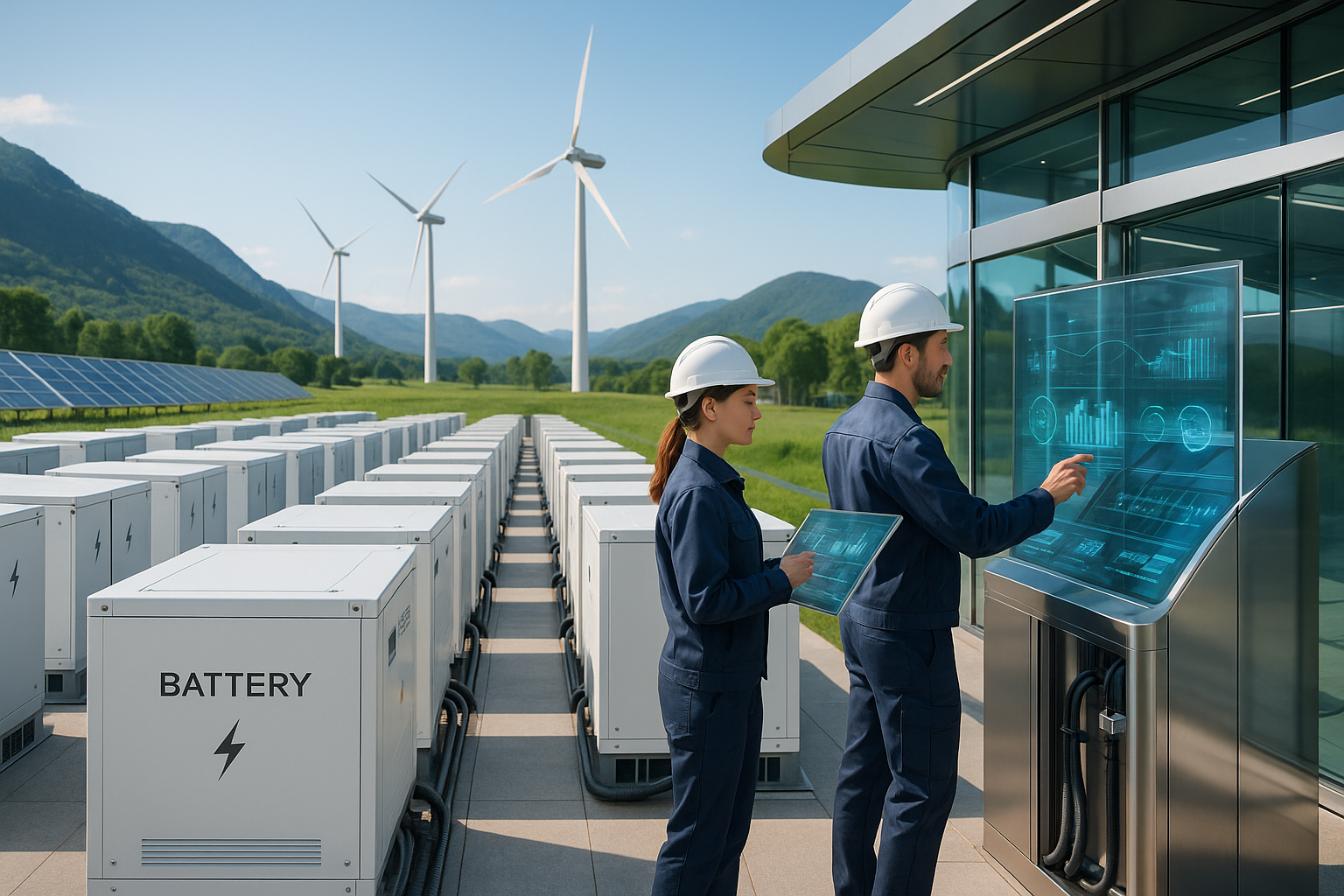
Lithium-ion batteries, initially popularized by their use in consumer electronics, are increasingly being adopted for larger scale applications such as electric vehicles and energy storage systems. Their high energy density, ability to recharge, and long lifecycle make them ideal candidates for storing large amounts of energy. In the context of a power grid, these batteries can store electricity generated from renewable sources like solar and wind, releasing it during periods of high demand or low production.
One of the key challenges in renewable energy is its intermittency; solar panels produce power during the day while wind turbines are subject to weather conditions. Grid-scale lithium-ion storage systems provide a solution by stabilizing the supply and ensuring a consistent, reliable flow of energy. They act as a buffer, reducing the need for traditional power plants that are often powered by fossil fuels, thus also decreasing greenhouse gas emissions.
Technological Advancements in Lithium-Ion Batteries
Recent advancements in lithium-ion technology have significantly increased the feasibility of using these systems on a larger scale. Improvements in battery chemistry and construction have led to more efficient, durable, and safer batteries. Innovations such as the introduction of lithium iron phosphate (LiFePO4) have provided alternatives with lower risks of overheating and longer lifespans, which are critical for grid applications.
Moreover, the development of solid-state batteries is set to revolutionize the industry further. These batteries replace the liquid electrolyte with a solid counterpart, which enhances safety and energy density. The potential for higher energy capacity and reduced charging times could make grid-scale storage systems even more vital in managing the world’s energy supply.
The economic aspect is also improving as the cost of lithium-ion batteries continues to decline due to advancements in technology and increased production scales. This trend is making grid-scale energy storage more accessible and economically viable across the globe.
Environmental Impact and Sustainability
While lithium-ion batteries offer a cleaner alternative to fossil fuel-based energy storage and generation, there are environmental concerns related to their production and disposal. Mining for lithium and other minerals can have significant environmental impacts, and the recycling process for lithium-ion batteries is not yet widespread. However, efforts are being made to develop more sustainable practices and improve recycling technologies to mitigate these issues.
Despite these challenges, the environmental benefits of deploying lithium-ion storage systems at scale—such as reducing carbon emissions and helping integrate more renewable energy into the grid—cannot be overlooked. As we transition to more sustainable energy sources, lithium-ion batteries are crucial in this global endeavor.
It’s important to consider the life cycle of these batteries and to support initiatives that promote their end-of-life management. Encouragingly, several startups and established companies are working on innovative solutions to increase the recyclability of battery materials and reduce the environmental footprint of their production.
Case Studies: Where Lithium-Ion Technology Is Lighting the Way
To illustrate the practical applications and benefits of grid-scale lithium-ion storage systems, several high-profile case studies highlight their impact. From smoothing out solar energy supply to providing emergency backup, lithium-ion batteries are proving their worth across various scenarios.
For example, the Hornsdale Power Reserve in South Australia, equipped with Tesla’s Powerpacks, has helped stabilize the region’s energy grid, prevent blackouts, and even reduce energy prices. This facility has become a benchmark for other regions experiencing similar energy challenges.
Another significant application is in California, USA, where lithium-ion storage systems are used to manage the daily fluctuations in energy demand and supply, especially with the state’s high penetration of solar power. These systems store excess energy produced during the day and discharge it during peak evening hours, which helps to maintain grid stability and reduce reliance on peaker plants.
Comparative Analysis: Lithium-Ion vs. Other Storage Technologies
When comparing lithium-ion batteries to other forms of energy storage like pumped hydro or compressed air energy storage, several factors come into play:
| Technology | Energy Density | Efficiency | Scalability | Cost |
| Lithium-Ion | High | High (90-95%) | High | Decreasing |
| Pumped Hydro | Low | 70-80% | High | Moderate |
| Compressed Air | Medium | 40-50% | Medium | Low |
As seen in the table above, lithium-ion batteries offer a superior balance of energy density and efficiency, although they may be more expensive upfront. Their ability to scale effectively makes them a robust option for grid-scale applications. Check out this informative YouTube video titled “The Future of Lithium-Ion Batteries Explained” by the channel “Energy Insight” for a deeper understanding of how these technologies are evolving.
The Economic Perspective: Cost Trends and Market Growth
The declining cost of lithium-ion technology is perhaps one of the most exciting economic trends in the energy sector. As production scales up and technology advances, prices for lithium-ion batteries have seen a significant drop, making them increasingly competitive with traditional energy storage methods. According to recent studies, the cost of lithium-ion batteries has decreased by nearly 90% over the past decade.
This price reduction is not only making grid-scale projects more feasible but also more attractive to investors and governments. The global market for lithium-ion batteries is expected to grow exponentially, driven by the demand for renewable energy solutions and the electrification of transportation.
For countries and regions looking to bolster their energy infrastructure, investing in lithium-ion technology offers a promising return on investment. Not only can these storage systems help reduce carbon footprints, but they also offer a level of flexibility and security that is becoming increasingly important in today’s energy landscape.
Future Prospects: Innovations Shaping the Horizon
The future of grid-scale lithium-ion storage systems is bright, with several exciting developments on the horizon. Innovations in battery technology, such as the advent of solid-state batteries and improvements in lithium extraction and recycling processes, are set to enhance the efficiency, sustainability, and affordability of these systems.
One of the most anticipated advancements is the integration of artificial intelligence (AI) into energy storage systems. AI can optimize battery usage, improve maintenance schedules, and predict energy demand more accurately, which could significantly increase the effectiveness of grid-scale storage solutions.
Moreover, as global energy policies continue to favor renewable energy, the deployment of grid-scale lithium-ion storage systems is likely to expand. These systems are becoming an integral part of the energy landscape, helping to solve some of the most pressing challenges of our time, such as climate change and energy security.
Emerging Markets and Expansion Opportunities
Emerging markets represent a significant growth area for lithium-ion storage technologies. Countries in Asia, Africa, and South America, where energy demand is increasing rapidly, are looking to modernize their grids. Lithium-ion batteries offer a flexible and efficient solution for these regions, providing a reliable power supply without the need for extensive infrastructure.
Furthermore, as electric vehicles (EVs) become more prevalent, the synergy between EVs and grid-scale storage will become more pronounced. Used EV batteries can be repurposed for grid storage, creating a circular economy that enhances sustainability and resource efficiency.
Finally, the push for decentralized energy systems in rural and remote areas could see localized lithium-ion storage solutions playing a pivotal role. These systems can store excess energy from small-scale solar installations, ensuring a steady and reliable power supply for communities far from the central grid.
As we continue to explore the vast potential of lithium-ion technology, it’s clear that these batteries are not just supporting the grid; they are transforming it. Embrace the future of energy by considering how you can participate in or benefit from these exciting developments. Whether it’s through supporting policy changes, investing in technology, or simply staying informed, your engagement can make a difference.
Conclusion
As we conclude our exploration of the exciting advancements in grid-scale lithium-ion storage systems, it’s clear that we stand on the cusp of a transformative era in energy management and efficiency. Throughout this article, we’ve delved into several critical aspects of lithium-ion technology and its implications for the future of energy storage.
First and foremost, the introduction of grid-scale lithium-ion batteries has revolutionized the way energy is stored and distributed. These systems offer a high energy density and longer lifespan compared to traditional energy storage systems, making them a pivotal component in the transition to renewable energy sources. As we’ve discussed, the ability to store large amounts of energy efficiently helps to stabilize the grid, especially in times of high demand or fluctuating supply from renewable sources like solar and wind.
The environmental benefits associated with lithium-ion batteries cannot be overstated. By facilitating a more significant adoption of renewable energy, these storage systems contribute to reducing the carbon footprint associated with energy production. This shift not only aids in tackling climate change but also promotes a healthier environment by reducing reliance on fossil fuels and decreasing air pollution.
Economic implications are also significant. The deployment of grid-scale lithium-ion storage systems can lead to substantial cost savings in the energy sector. By optimizing energy usage and reducing waste, utilities can pass on these savings to consumers, potentially lowering energy bills and enhancing energy accessibility for a broader range of the population.
Moreover, the technological advancements in lithium-ion batteries, including improvements in safety and energy density, are continually progressing. We’ve touched upon the latest research and innovations that are making these batteries safer and more efficient. These advancements are crucial for ensuring that the deployment of lithium-ion storage systems can scale up to meet the growing global energy demands without compromising safety.
Engaging with the Future
The journey towards a more sustainable and efficient energy future is both exciting and necessary. As stakeholders in this global effort, it is crucial that we continue to support and invest in technologies that offer promising solutions to energy challenges. Grid-scale lithium-ion storage systems are one such technology that has the potential to reshape our energy landscape profoundly.
I encourage each one of you to share your thoughts and opinions on this topic. Whether you are an industry professional, a policy maker, or simply someone interested in energy sustainability, your insights are valuable. Discuss these ideas with peers, share this article on social media, or even consider how you can implement energy-efficient solutions in your own community.
Inspiration to Act
Remember, every small step contributes to a larger change. By staying informed and engaged, we can all play a part in advancing these technologies and promoting sustainable practices. Let’s not underestimate the power of collective effort and the impact it can have on our planet’s future.
For further reading and to deepen your understanding of this crucial topic, consider exploring additional resources and staying updated with the latest research. Here are some active links that can offer more detailed insights and data:
– [Energy Storage Association](https://energystorage.org/)
– [International Renewable Energy Agency (IRENA)](https://irena.org/)
In conclusion, the future of grid-scale lithium-ion storage systems is not just about technological innovation; it’s about envisioning a sustainable and efficient future for all. It’s about taking bold steps today that will power our world tomorrow. Let’s continue to push the boundaries of what’s possible and power up our commitment to energy efficiency. Your engagement and actions can truly make a difference! 🌍💡
Your comments and shares are not just appreciated; they’re necessary to propel this conversation forward. Let’s get talking and make the future of energy a present reality! 🚀 Share your thoughts below and let’s ignite a global dialogue!
